Why your roof leaks where it meets the exterior wall: a guide for Triangle homeowners
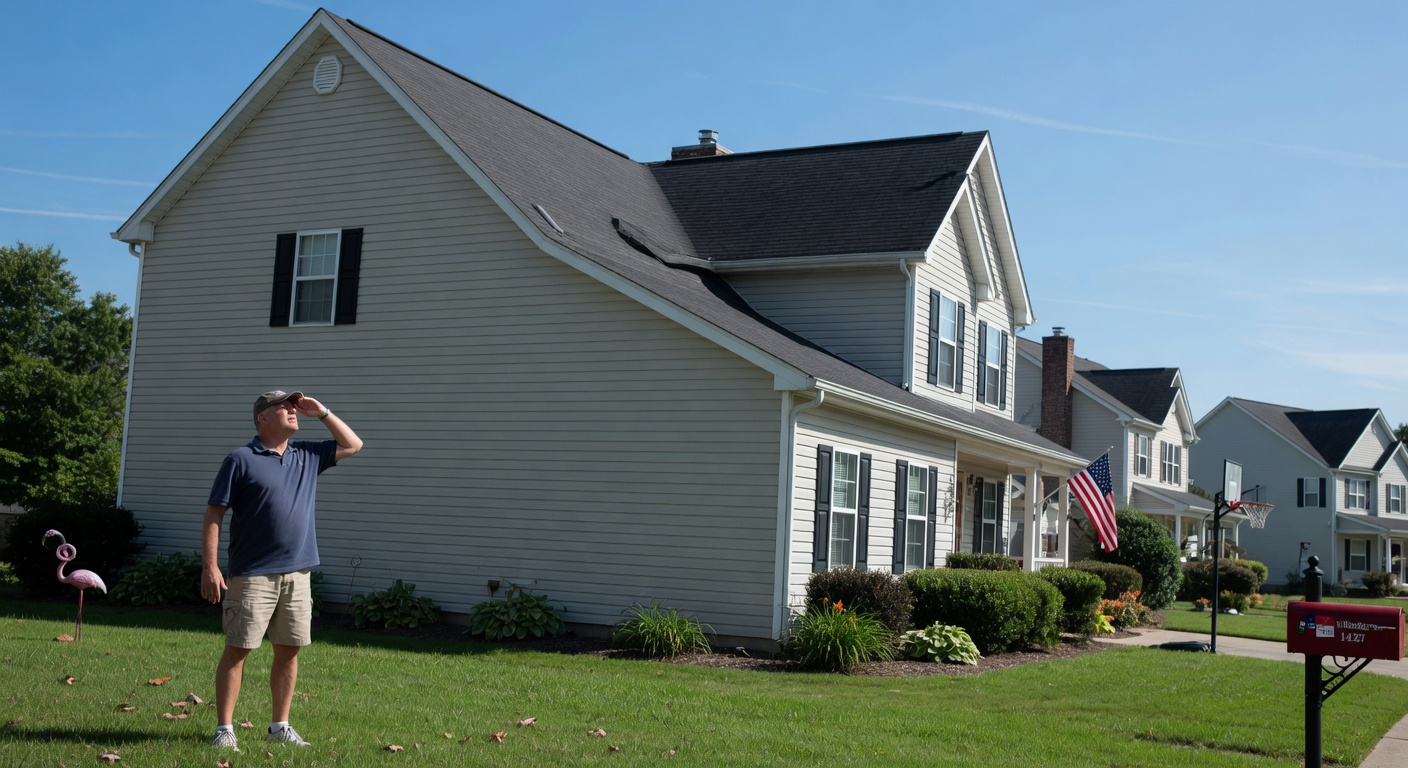
If you have noticed a water stain or damp spot on your ceiling near an exterior wall after a heavy rainstorm, you are not alone. Many homeowners across the Triangle experience this, and the source is often a leak at the roof-wall intersection. The good news: it does not automatically mean your entire roof needs replacement. This article explains what causes these leaks, how Triangle weather makes them more common, and what you can safely check from the ground—plus when to call a professional.
What are roof-wall intersections and why they leak
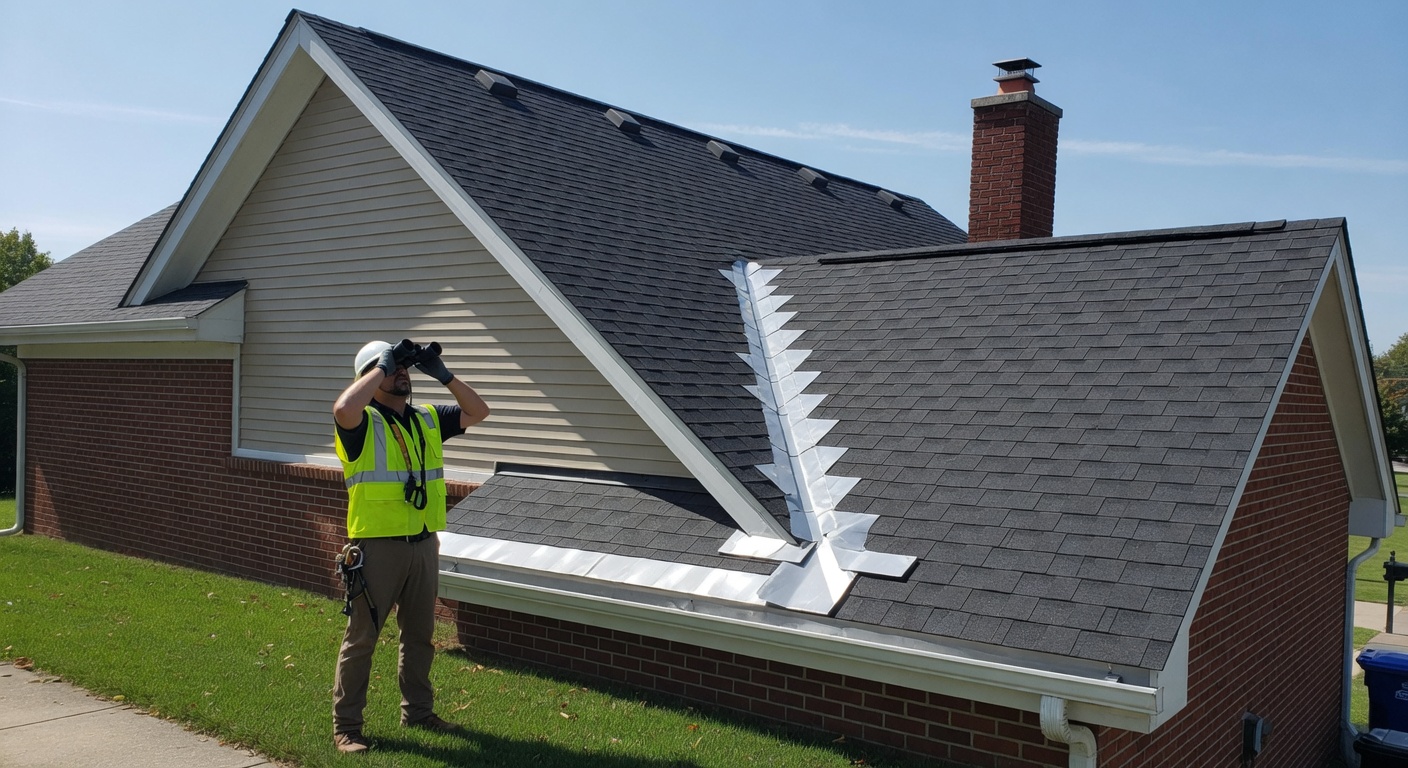
A roof-wall intersection is the line where a sloped roof meets a vertical exterior wall. It could be the side of a dormer, where an addition meets an existing wall, or where a townhome roof abuts a shared wall. To keep water out, builders install step flashing : overlapping L-shaped metal pieces that are woven into the shingles and tucked up against the wall. At the bottom of the run, kick-out flashing (or diverter) directs water away from the wall and into the gutter.
When this system works, water runs down the roof, over the flashing, and into the gutter. When it fails, water can get behind the siding and into the wall cavity, eventually showing up as a stain inside your home.
Common causes of failure at these junctions
Improper installation or overlap
If the step flashing pieces were not properly overlapped (each one should overlap the piece below it) or were not integrated correctly with the shingles, water can sneak in. Missing kick-out flashing is a frequent culprit—without it, water runs down the wall and can be forced behind siding.
Corrosion and age
Flashing is corrosion-resistant, but over decades, especially in humid climates like North Carolina, metal can deteriorate. On many Triangle homes built in the 2000s, flashing may now be old enough to show age-related wear.
Sealant breakdown
Many installers add a bead of sealant or caulk at the top of the flashing. This is not a primary water barrier, but it can help. Over time, sealant dries out, cracks, and shrinks, opening a path for water.
Storm damage and debris
High winds can lift shingles and disturb flashing, and heavy rain can overwhelm gutters, forcing water back up under the flashing. Debris like pine needles and leaves can also dam up at the base of the wall, holding water against the junction.
Signs of problems you can safely observe from the ground
Do not go on the roof. You can look for these signs from the ground or from a window:
- Interior stains near exterior walls. Common locations: ceiling close to a wall, top of a wall, or around a window or door.
- Gaps between the roof and wall. If you can see daylight or a clear separation where the siding meets the roofline, water can get in.
- Discoloration or rust on flashing. From a safe viewpoint (like a second-story window), you may see rust streaks or obvious damage.
- Missing or bent kick-out flashing. The diverter at the bottom should be present and angled out from the wall.
- Staining on the exterior wall below the roof line. This suggests water is running down the face of the wall rather than being diverted.
Any of these signs merit a closer look by a qualified roofer.
How Triangle rain and wind contribute to these leaks
The Triangle experiences frequent heavy, wind-driven thunderstorms, especially during spring and summer. The National Weather Service office in Raleigh frequently issues severe thunderstorm warnings for damaging winds and hail. When rain is driven by gusts of 40 mph or more, it can be forced upward and sideways, hitting the roof-wall junction from an angle the flashing was not designed to handle.
Additionally, our climate includes high humidity and cycles of wetting and drying. This accelerates sealant deterioration and can promote corrosion. Heavy downpours also test drainage—if gutters are clogged, water can sit against the base of the wall, increasing the chance of infiltration.
Repair versus replacement factors at roof-wall areas
The answer depends on the extent of the problem and the age of your roof.
- Localized flashing repair. If the roof is in good condition overall and the failure is isolated to a few feet of flashing, a roofer may be able to replace or reset the affected pieces without touching the rest of the roof. This is a repair and is often a viable option.
- Kick-out flashing addition. Sometimes the fix is as simple as adding a missing kick-out diverter at the bottom of the run.
- Wider replacement. If the flashing is failing over a large area, if the underlying decking is rotted, or if the roof itself is near the end of its service life (common on 2000s-era homes), a full replacement of the affected roof slope is more appropriate. Your contractor should explain why repair is not enough.
A professional inspection is the only way to know for sure.
When to schedule a professional roof inspection
If you see any of the signs listed above, or if you have a persistent stain near an exterior wall after heavy rain, it is time to call a roofer. A qualified inspector will safely access the roof, examine the flashing, and identify the exact source of the leak. They will also check for secondary issues like water damage in the attic or wall cavity.
Morrisville Roofing Company provides roof inspections for homeowners across the Triangle, including Morrisville, Cary, Raleigh, Durham, Apex, and Chapel Hill. Our approach is to document what we find, explain your options, and help you make an informed decision—not to pressure you into unnecessary work. Contact us to request a roof inspection and get a clear understanding of what your roof needs.
More Posts by Morrisville Roofing Company