Signs of Roof Decking Damage Triangle Homeowners Can Spot from the Ground
Signs of Roof Decking Damage Triangle Homeowners Can Spot from the Ground
If you own a home built in the 2000s anywhere in the Triangle—Morrisville, Cary, Raleigh, Durham, or surrounding communities—you may wonder whether visible roof changes could signal deeper problems like damaged roof decking. The short answer is that you can safely observe a few clues from the ground, but most decking issues require professional inspection to confirm. This guide covers what to look for, how Triangle weather and home age play a role, and when to call in an expert.
What roof decking does and why it matters for Triangle homes
Roof decking (also called sheathing) is the layer of plywood or OSB that sits on top of your roof rafters and supports the shingles, underlayment, and flashing. In Triangle homes built during the 2000s growth period, decking is typically plywood or OSB in good condition when properly ventilated. But if moisture gets to the decking from leaks, condensation, or poor attic airflow, it can rot or soften. That can compromise the roof's structural integrity and shorten its lifespan.
Common causes of decking damage in the Triangle climate
The Triangle’s weather— frequent thunderstorms, gusty winds up to 60+ mph, hail, tropical remnants, and heavy rain—can damage shingles and flashing, letting water reach the decking. Over time, even small leaks can cause wood rot. Another factor is attic ventilation. Some 2000s-era planned homes in the Triangle were built with minimal attic ventilation, trapping heat and humidity that can lead to condensation on the decking. That trapped moisture, especially in our humid summers, can gradually weaken the wood.
Signs you can observe safely from the ground
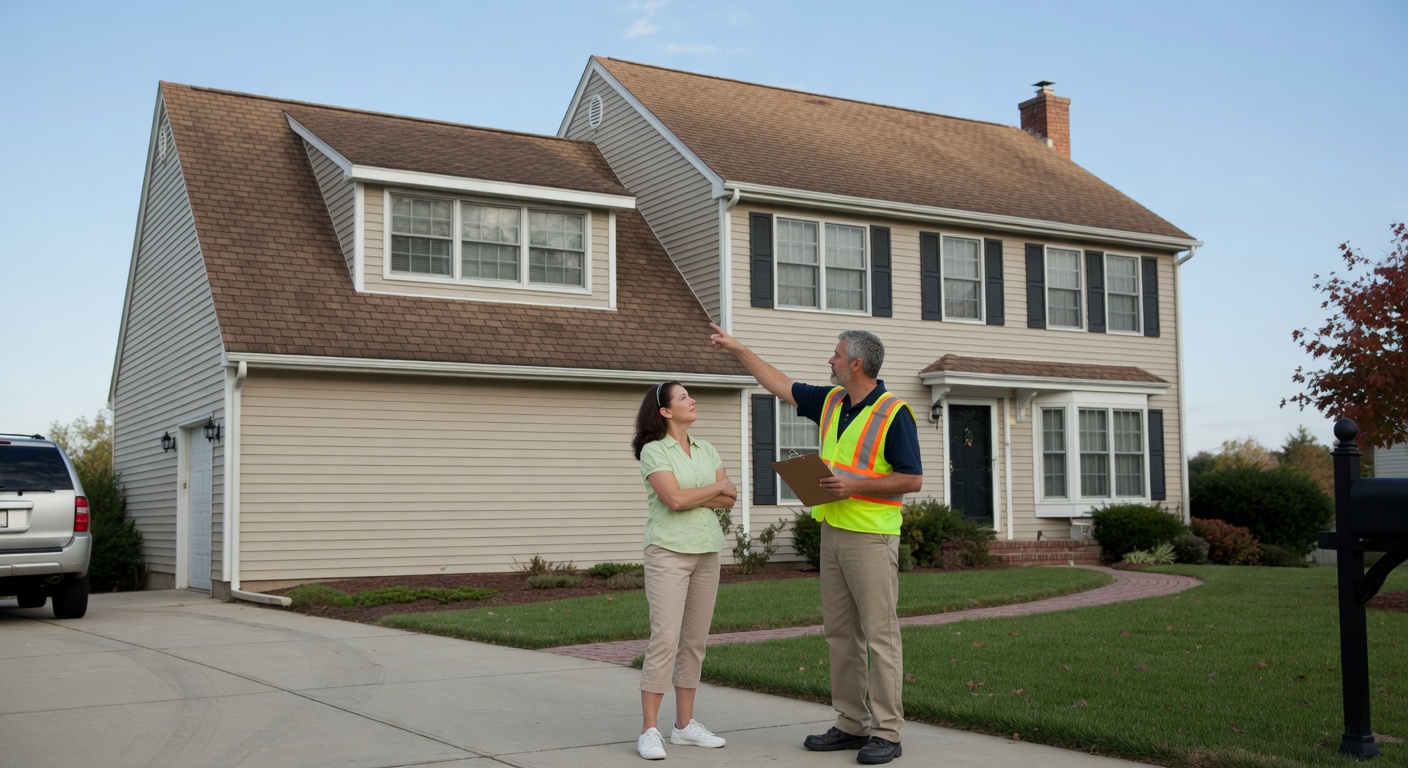
Most decking damage is hidden under shingles and underlayment. But there are a few things you can check from the ground or a second-story window without climbing onto the roof:
- Sagging or wavy roofline. This is the most obvious sign. If the roof ridge or slopes appear to dip or undulate, the decking may have lost support from moisture or rot.
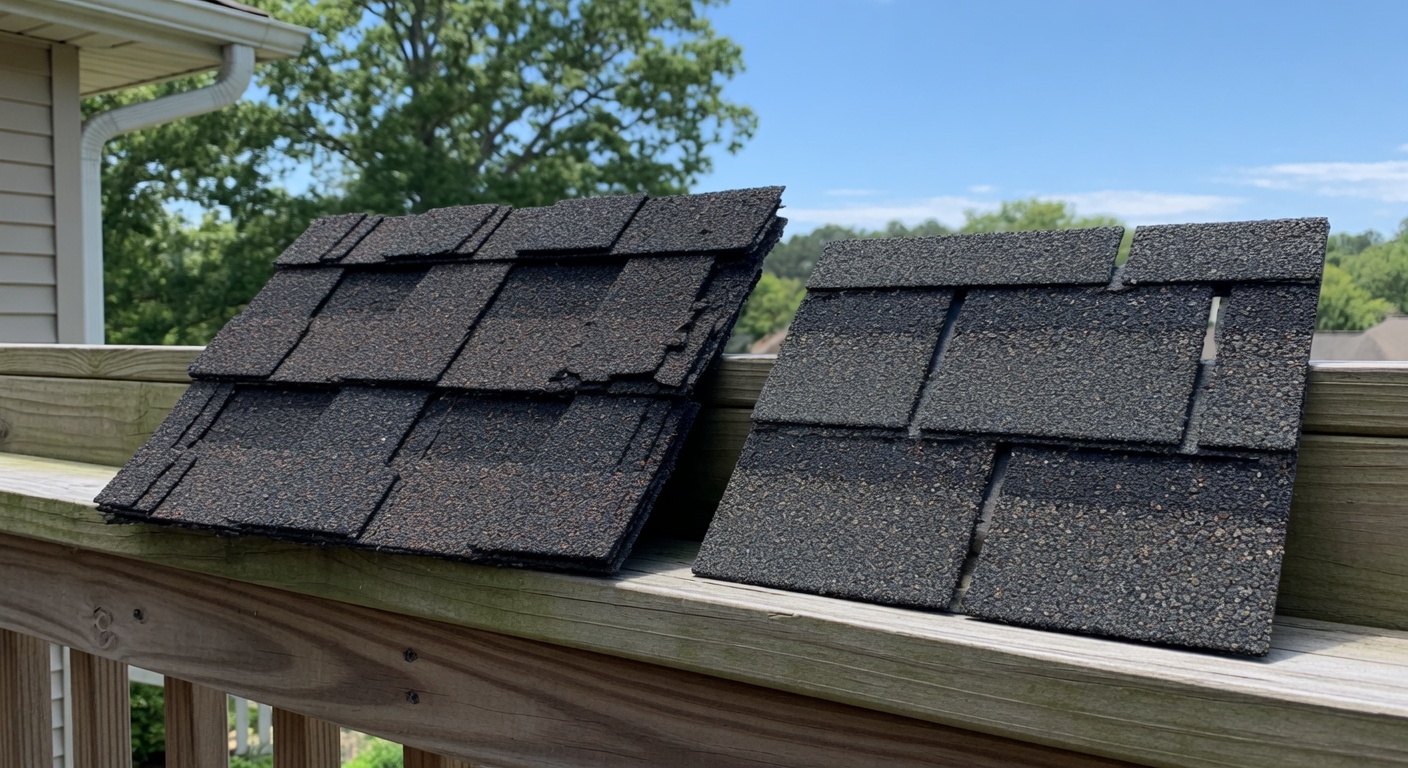
- Buckling or curling shingles. While this is usually a shingle issue, widespread buckling can indicate the decking underneath is uneven because of moisture damage.
- Excessive granule loss. A few granules in gutters are normal, but if you see large amounts after storms or across multiple gutters, the shingles may be failing and allowing water to reach the decking.
- Missing shingles exposing underlayment. Bare spots leave the decking vulnerable to direct rain, especially in heavy downpours.
Remember: These signs are clues, not proof. A sagging roofline could also come from framing issues, and granule loss alone doesn’t mean the decking is damaged. That’s why professional assessment is key.
How roof age and storms in the Triangle increase decking risks
Many Triangle homes built between 2000 and 2010 now have original roofs approaching 20 years or more. At this age, shingles begin to wear, and any prior storm damage that wasn’t repaired may have allowed moisture to slowly affect the decking. After a severe thunderstorm or hail event, it’s especially smart to check for the signs listed above. A professional inspection can catch decking issues early before they require replacement.
When ground-level signs suggest calling a professional
If you spot any of the following, it’s time to request a professional roof inspection:
- Visible sagging or wavy roofline
- Multiple buckled or curled shingles in different areas
- Heavy granule loss after storms
- Interior ceiling stains
- Roof age 20+ years combined with any noticeable changes
A qualified roofer can safely access the attic or walk the roof to check the decking’s condition, identify soft spots, and recommend whether repair or replacement is needed. Never climb onto the roof yourself, and don’t assume a few missing shingles mean decking damage.
Next steps for Triangle homeowners concerned about decking
If you’ve noticed any of these signs or your roof is approaching 20 years with Triangle weather exposure, the best next step is a professional inspection. Morrisville Roofing Company serves homeowners across the Triangle with thorough inspections and honest repair-vs-replacement guidance. We document what we find and explain your options clearly. Contact us to schedule an inspection and get peace of mind about your roof decking.
More Posts by Morrisville Roofing Company