Roof Flashing Types and Common Failures in the Triangle
Roof Flashing Types and Common Failures in the Triangle
If you've noticed a ceiling stain after a heavy storm or a persistent leak only when the wind blows hard, the culprit might be a failure in your roof flashing. Flashing is the metal (or sometimes rubber) material installed at roof transitions and penetrations to keep water out. In the Triangle, where thunderstorms and wind-driven rain are common, flashing problems are a common reason homeowners call for a roof inspection.
Quick answer: Roof flashing is critical for preventing leaks at vulnerable points like wall intersections, chimneys, vents, and valleys. The most common failures in the Triangle result from improper installation, corrosion from humidity, wind uplift, and thermal expansion. You can often spot signs from the ground, but a professional inspection is needed to document the damage and recommend repair or replacement.
What roof flashing does and why it matters
Flashing redirects water away from joints and seams where two roof surfaces meet or where a penetration (like a vent or chimney) comes through. Without properly installed and maintained flashing, water can seep behind shingles and into the structure. The North Carolina Residential Code requires corrosion-resistant metal flashing at all roof-wall intersections, valleys, and penetrations. This is especially important for the Triangle's newer homes, many built in the 2000s, which are now old enough that homeowners may be evaluating original flashing condition. Flashing doesn't last forever. Its lifespan depends on material quality, installation quality, and exposure to weather. In our climate, even well-installed flashing eventually needs attention.
Types of flashing commonly used on Triangle homes
Several types of flashing appear on most homes in the Triangle. Knowing what they are helps you understand where leaks may originate.
- Step flashing : L-shaped pieces interwoven with shingles at roof-wall intersections and along chimney sides. Each piece overlaps the one below to channel water down onto the shingles.
- Counter flashing : Embedded in masonry (like a chimney) and overlaps step flashing. Prevents water from getting behind the step flashing.
- Kick-out or diverter flashing : Installed at the bottom of a roof-wall intersection to direct water away from the wall and into the gutter. Critical for preventing siding and foundation damage.
- Valley flashing : Installed in roof valleys to channel heavy water flow. Usually open metal or woven with shingles.
- Pipe boot or vent flashing : Pre-formed flashing around plumbing vents, exhaust pipes, and other roof penetrations. Often made of rubber or metal.
- Drip edge : Installed along roof edges to direct water into the gutter. Required by code.
- Chimney flashing : A combination of step and counter flashing, sometimes with a cricket or saddle behind the chimney.
- Skylight flashing : Specialized pre-formed flashing kits designed for skylight installations.
How Triangle weather accelerates flashing failure
The Triangle experiences a mix of weather that puts flashing to the test. Thunderstorms with high winds often drive rain sideways, forcing water against roof transitions. Temperature swings between hot summers and cold winters cause metal to expand and contract, which can loosen fasteners and create gaps. High humidity and frequent rain promote corrosion, especially on exposed metals. Storm winds can lift flashing pieces or blow debris into gaps. These factors combine to make flashing failure one of the most common leak sources on roofs needing repair in the Triangle.
Improper installation is often the root cause. If flashing isn't woven correctly into shingles or lacks proper overlaps, even moderate weather can cause leaks. That's why it's important to have flashing evaluated by an experienced professional.
Safe ground-level signs of flashing problems
You don't need to climb on your roof to suspect flashing failure. From the ground or in the attic, look for:
- Interior stains : Ceiling or wall discoloration, especially after heavy or wind-driven rain. Stains near an exterior wall or chimney often point to flashing issues.
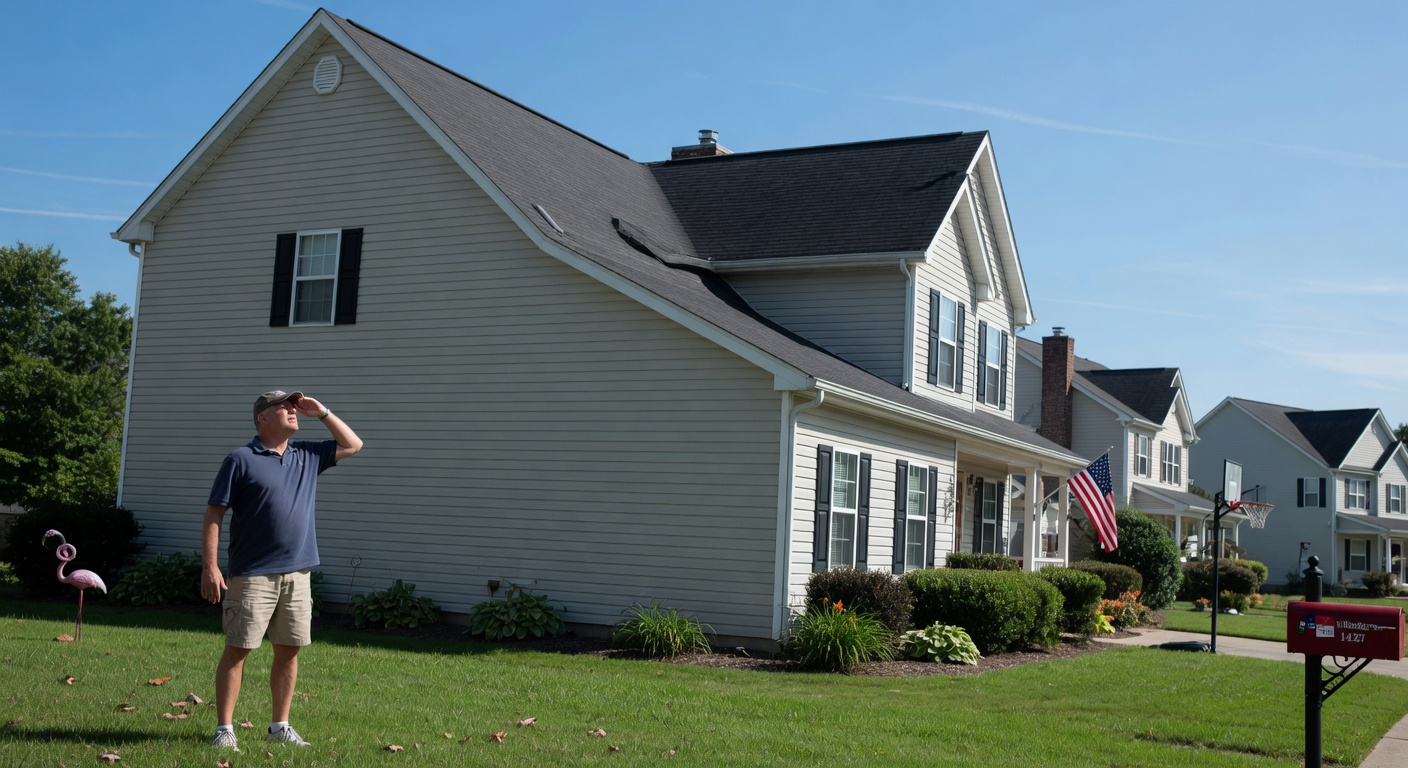
- Visible damage : Rust, cracks, gaps, or bent flashing around roof penetrations or at wall intersections. Use binoculars if needed.
- Efflorescence : White, chalky residue on masonry below flashing, indicating water is seeping behind the chimney cap or counter flashing.
- Damp attic insulation : Wet insulation near exterior walls or around vents suggests water entry at those points.
- Mold or rot : On fascia, soffit, or siding below roof edges.
Important: Avoid walking on your roof yourself. Steep slopes, wet surfaces, and fragile shingles create serious fall hazards. Leave detailed assessment to professionals.
Flashing issues versus other roof wear
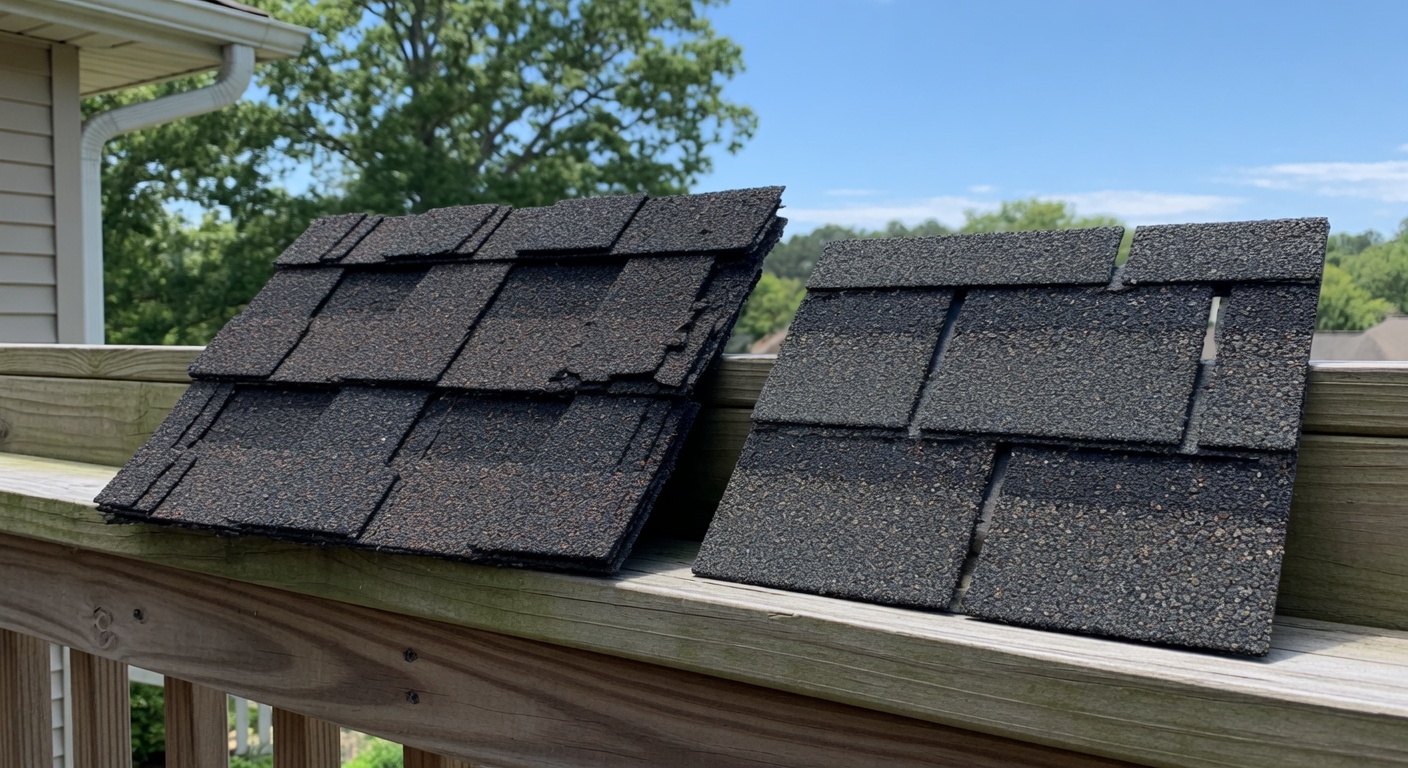
How do you know if a leak is from flashing or from shingle damage? Flashing failures often produce directional leaks: water appears only during wind-driven rain from a particular direction, or only at a specific intersection. Shingle deterioration, on the other hand, tends to cause more general surface leakage, often accompanied by granule loss, curling, or algae streaking. Of course, both problems can exist simultaneously.
A professional inspection can distinguish between localized flashing repair and broader roof replacement. Not every flashing problem requires a new roof. In many cases, targeted repair of step flashing or pipe boots can stop the leak for years. But if flashing failures are widespread or the roof is near the end of its service life, replacement may be the practical choice. An inspector can document the conditions and present clear options.
When a professional inspection adds clarity
If you notice any of the signs above, especially after a storm or during heavy rain, a professional roof inspection provides documentation and a confident next step. A thorough inspection checks every flashing point: step flashing at all walls, counter flashing on chimneys, kick-out flashing, pipe boots, valleys, and skylights. The inspector can identify whether the issue is isolated or part of a larger pattern.
For homeowners in the Triangle with homes built in the 2000s, this is a particularly good time to schedule an inspection. Many original flashing installations are now reaching the point where corrosion or thermal cycling begins to take a toll. Catching flashing problems early can prevent more extensive interior damage and extend the life of your roof.
After the inspection, you'll have a clear picture of what's needed: a targeted repair or a replacement plan. That information is valuable whether you're staying in your home or preparing to sell.
If you're experiencing leaks or want to understand your roof's condition, contact Morrisville Roofing Company to schedule a detailed inspection. We document findings and explain your options so you can make an informed decision.
More Posts by Morrisville Roofing Company