Key questions to ask a roofing contractor in the Triangle
Hiring a roofing contractor in the Triangle — whether you live in Morrisville, Cary, Raleigh, Durham, Apex, or another nearby community — means trusting someone with a major part of your home. Asking the right questions can make all the difference between a confident hire and an expensive mistake.
This guide covers practical questions that help you evaluate a contractor's local experience, inspection and documentation process, honesty about repair versus replacement, project communication, and familiarity with Triangle-specific factors like newer housing stock, storm exposure, and HOA or permit requirements.
Quick answer: Focus your questions on local experience, what an inspection includes and what you'll receive, how they decide between repair and replacement, project details like timeline and cleanup, and how they handle permits and HOA rules. Listen for clear, specific answers — not vague promises.
Questions about local experience and weather considerations
The Triangle has its own roofing realities: a housing stock that includes many homes built in the 2000s or later, a thunderstorm season with wind and hail criteria set by the National Weather Service (58+ mph winds and 1-inch-or-larger hail), and occasional tropical remnants. A contractor's familiarity with these factors can matter.
- "How long have you worked on roofs in the Triangle area?" Look for someone with experience in the local climate and housing mix, including townhomes and planned communities common in places like Morrisville and Cary.
- "What types of homes do you typically work on?" Many 2000s-era roofs are now entering a phase where homeowners are considering their first serious inspection or replacement. A contractor who understands this age range may provide more relevant guidance.
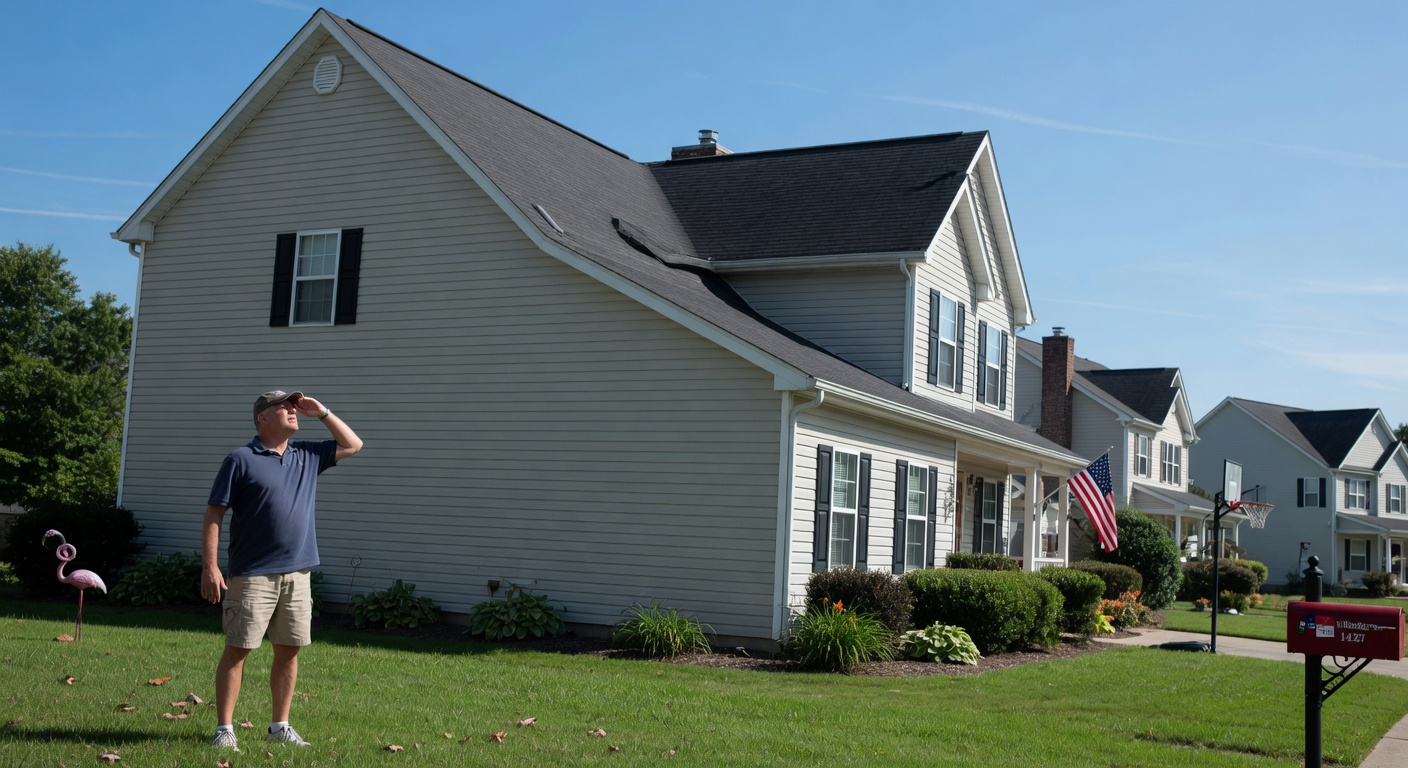
- "How do you handle storm-damage documentation?" After a storm, you need someone who can document visible conditions clearly. The North Carolina Department of Insurance notes that coverage depends on the specific policy and damage extent — a good contractor helps by providing clear inspection records, but they should not guarantee coverage outcomes.
Questions about the inspection and documentation process
A thorough roof inspection is the foundation of any honest estimate. Ask these questions to understand what you'll receive.
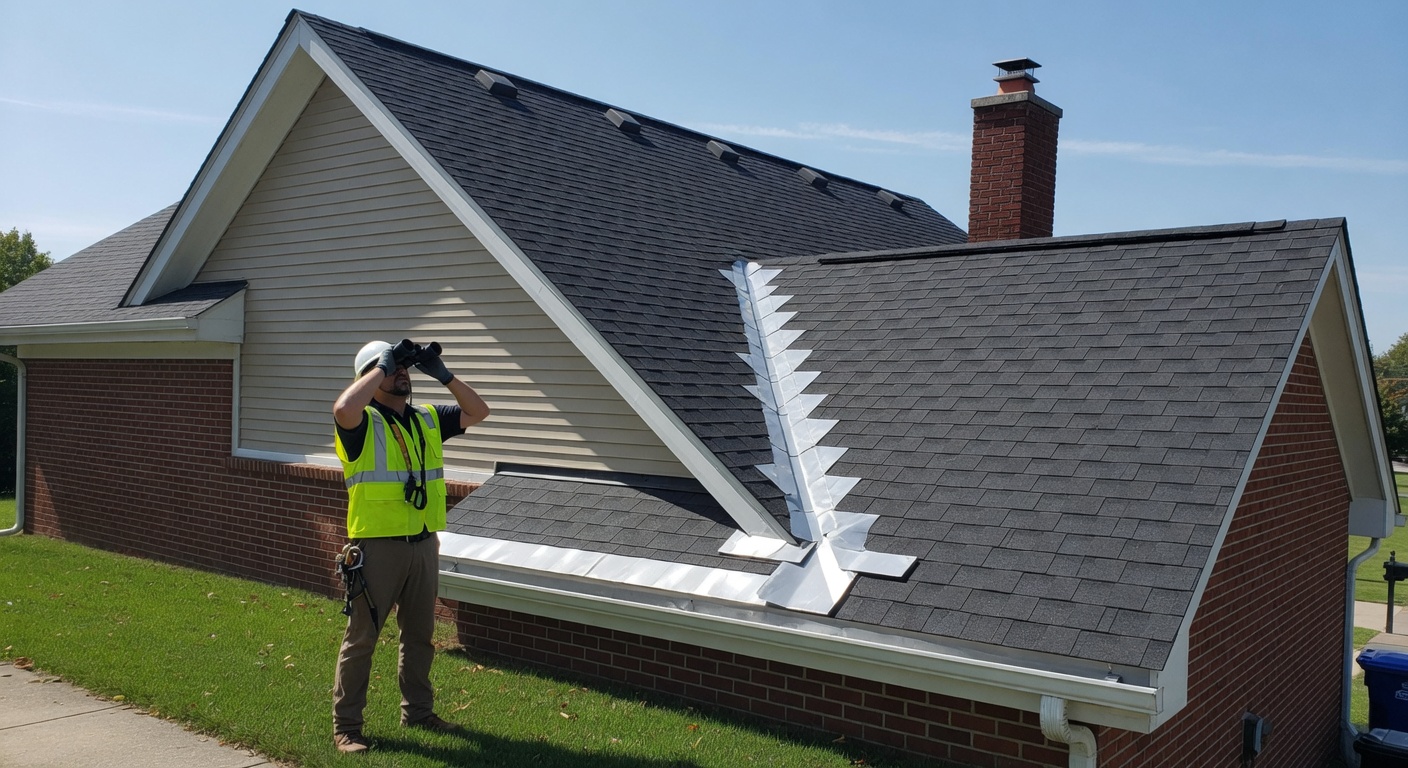
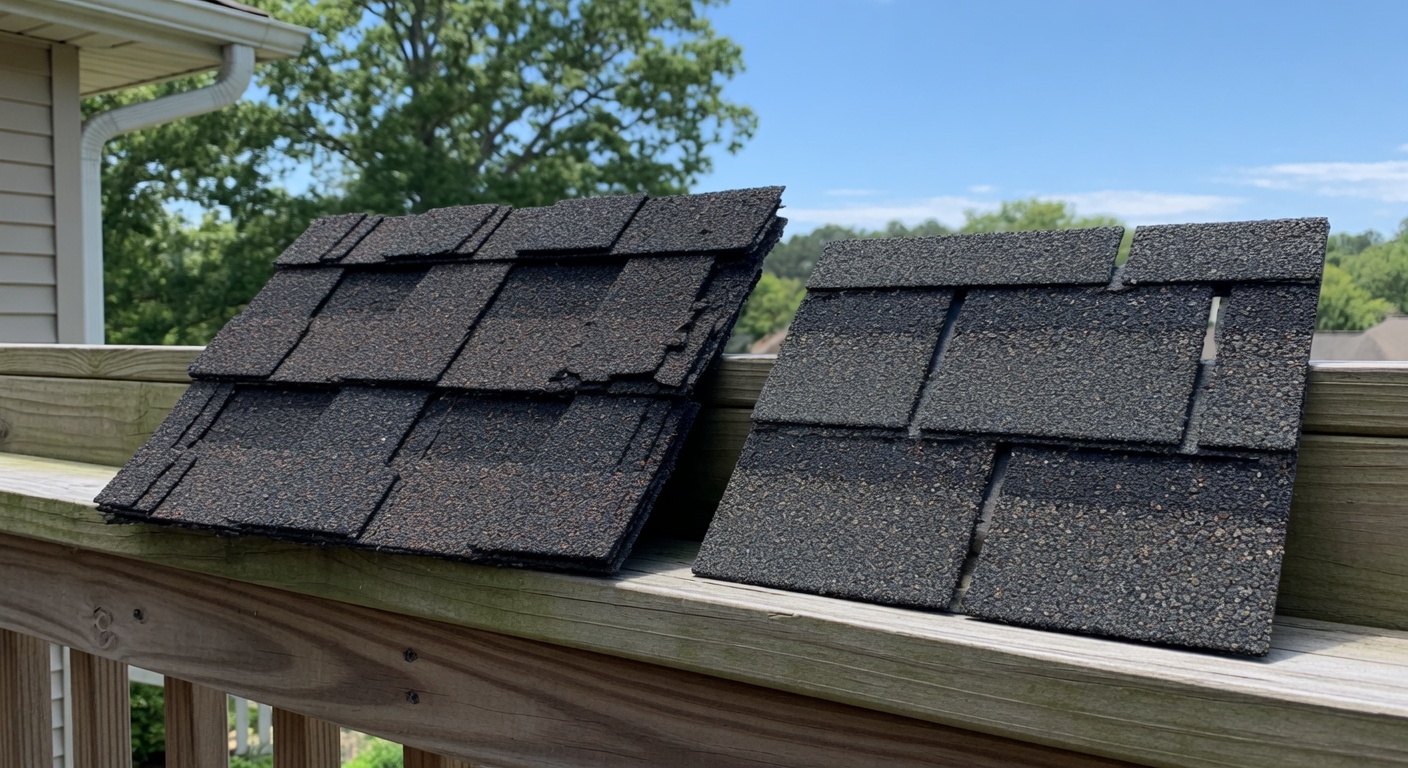
- "What does your inspection cover?" A complete inspection should include shingle condition, flashing around valleys and pipe boots, roof-wall intersections, skylights, chimneys, gutters, and attic ventilation if accessible. The inspector should look for wind or hail damage, granule loss, curling or cracked shingles, and signs of leaks.
- "Will I receive a written report and photos?" Documentation helps you understand the findings and compare options. Even if you're not an expert, photos of visible issues — like damaged shingles, lifted flashing, or stained decking — can clarify what needs attention.
- "What do you do if you can't see the full picture from the ground?" Some issues require closer inspection, especially on a steep roof. A responsible contractor can explain how they proceed without suggesting you climb up yourself.
Questions about repair versus replacement honesty
One of the biggest trust issues in roofing is whether a contractor will recommend a full replacement when a repair might do. Ask these questions to assess their approach.
- "What factors do you consider when deciding whether a repair is sufficient?" Age, leak history, shingle condition, extent of damage, attic ventilation, and the condition of flashing and decking all matter. A repair might be appropriate for localized issues on a roof that's otherwise in good shape.
- "Can you explain when replacement becomes the better choice?" Replacement may be warranted if the roof has widespread damage, repeated leaks, failed decking, or is near the end of its service life. Look for a contractor who explains their reasoning rather than pushing a one-size-fits-all answer.
- "What happens if you start a repair and find more damage?" A trustworthy contractor will communicate and give you options — possibly still repairing the affected area, or discussing a larger solution.
Questions about project timing, disruption, and communication
Roof work is noisy and can interfere with daily life, especially if you work from home. Clear expectations help reduce frustration.
- "What is the estimated timeline for my project?" Understand how long the job will take, including tear-off, installation, and cleanup. Weather can cause delays, so ask how they handle that.
- "How do you communicate during the project?" Will you get daily updates, photos, or a call at the end of the day? Knowing what to expect reduces surprises.
- "What does your cleanup process include?" A professional cleanup should include sweeping or magnet-sweeping the property for nails and debris, protecting landscaping, and leaving the site clean each day.
Questions about permits, HOA rules, and neighborhood guidelines
Permit requirements vary across Triangle municipalities — what's needed in Morrisville may differ from Raleigh or Durham. HOA rules can also affect material and color choices.
- "Do you handle permit applications?" The Town of Morrisville and other local governments offer online permit portals. A responsible contractor can guide you on whether a permit is needed for your scope of work, but you may need to verify with your local inspections department.
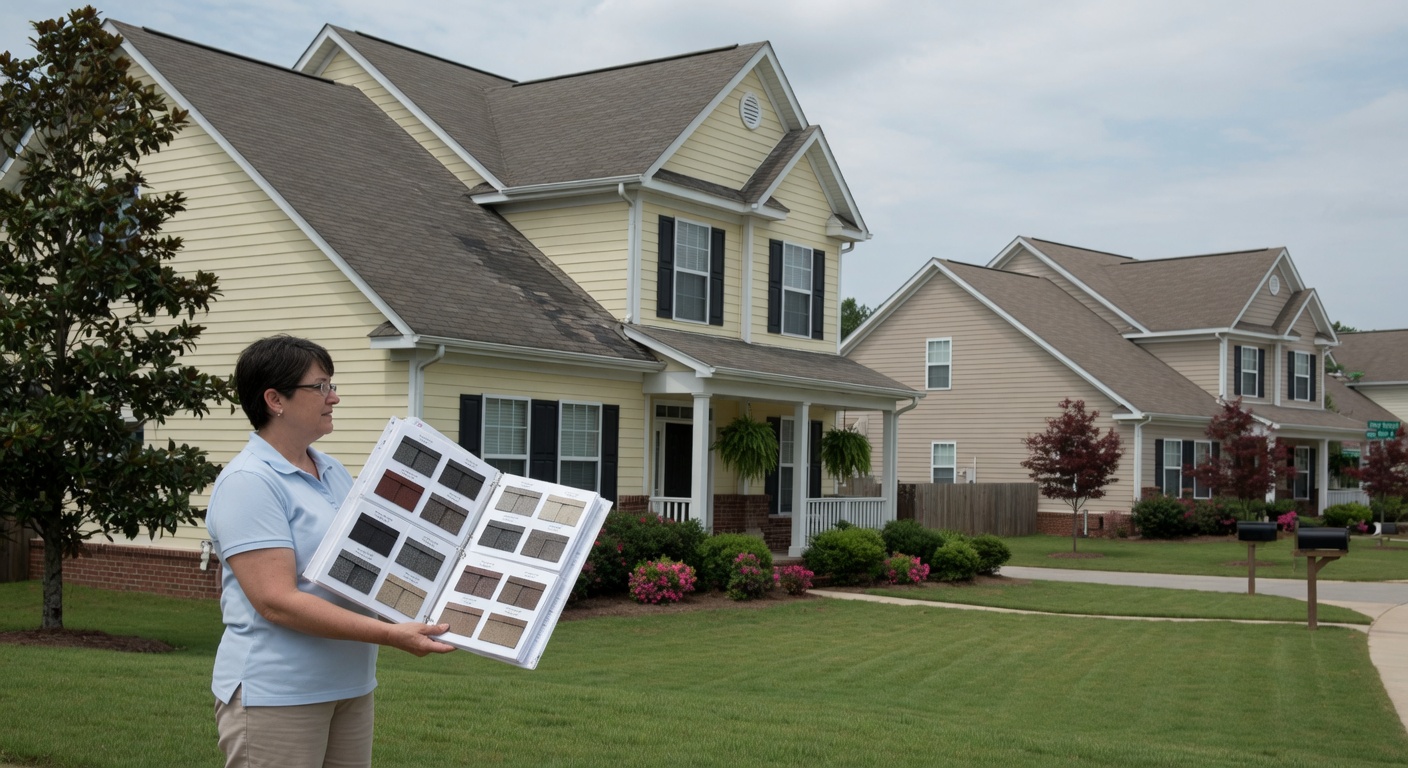
- "What experience do you have with HOA requirements in the Triangle?" Many planned communities and townhome neighborhoods have guidelines about roof colors, materials, and approval processes. A contractor who understands this can provide product sheets and documentation for your submission.
- "Do you check with the HOA or provide paperwork for their review?" While rules vary by neighborhood, a contractor who offers to help with documentation signals attentiveness to your needs.
Red flags in contractor responses
As you collect answers, watch for these warning signs:
- Pressure to decide immediately. High-pressure sales tactics often accompany unnecessary replacements or inflated prices.
- Guarantees about insurance coverage. No contractor can promise your insurance will pay for a full roof. The North Carolina Department of Insurance notes that insurance only owes for the damaged portion.
- Vague answers about permits or HOA rules. A reputable contractor should acknowledge that requirements depend on scope and location, and recommend verifying with the relevant authority.
- Unwillingness to provide documentation. If a contractor can't or won't explain their inspection findings in writing, consider it a red flag.
How to move from questions to a professional inspection
Asking these questions helps you narrow down your options. Once you feel comfortable, the next step is to schedule a thorough roof inspection. A professional inspection can confirm the condition of your roof and provide the documentation you need — whether for your own planning, an insurance review, or HOA submission.
If you're in the Triangle and ready for a clear, evidence-first inspection, contact Morrisville Roofing Company to talk through your situation. We help homeowners understand what their roof actually needs — no pressure, just practical advice based on what we find.
More Posts by Morrisville Roofing Company