Shingle granule loss: what it means for Triangle roofs
Shingle granule loss: what it means for Triangle roofs
If you are a homeowner in the Triangle, you might notice sand-like granules in your gutters or on the driveway. This is called shingle granule loss, and it's a common concern. The good news: some granule loss is normal, especially on older roofs. The key is knowing what's normal and what warrants a closer look. Here is a calm, practical guide to understanding granule loss on asphalt shingles in our local climate.
What shingle granule loss looks like from the ground
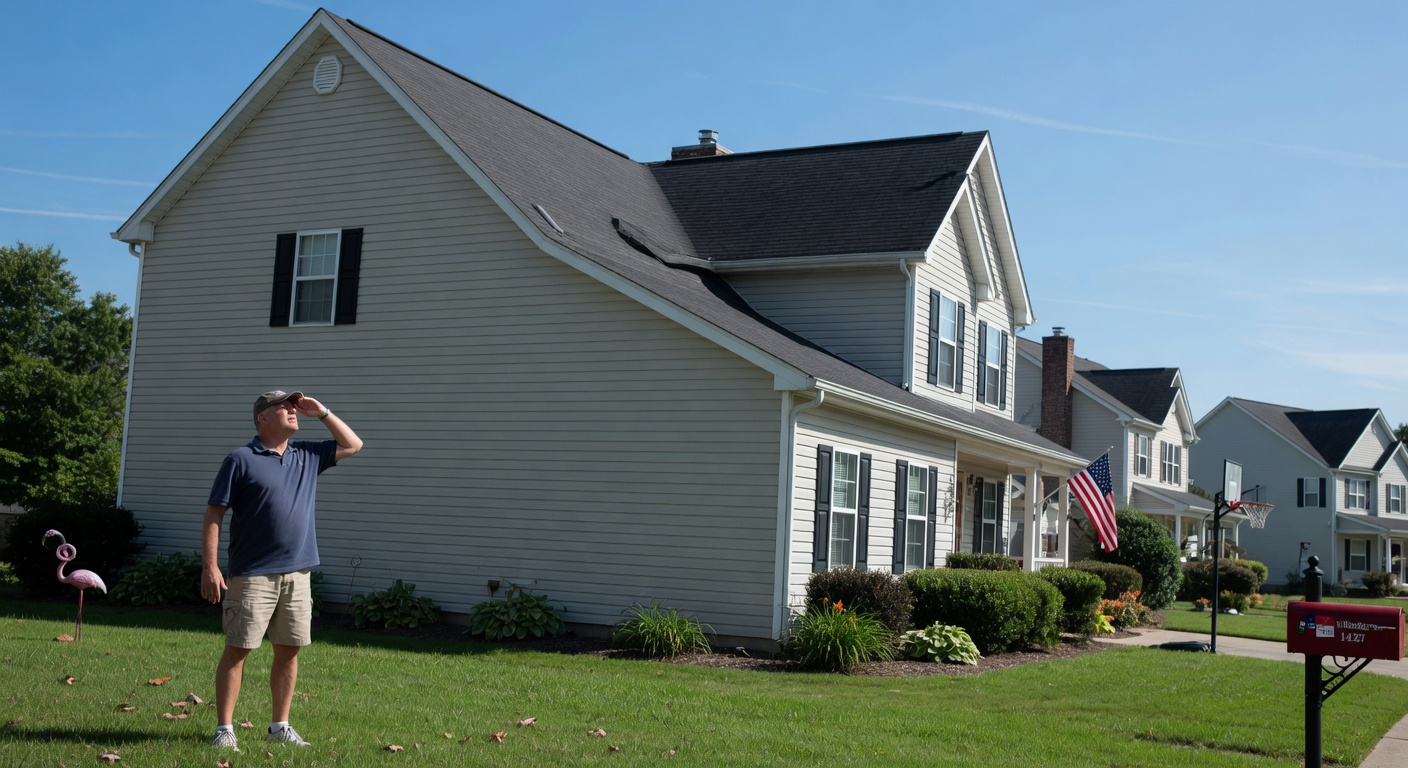
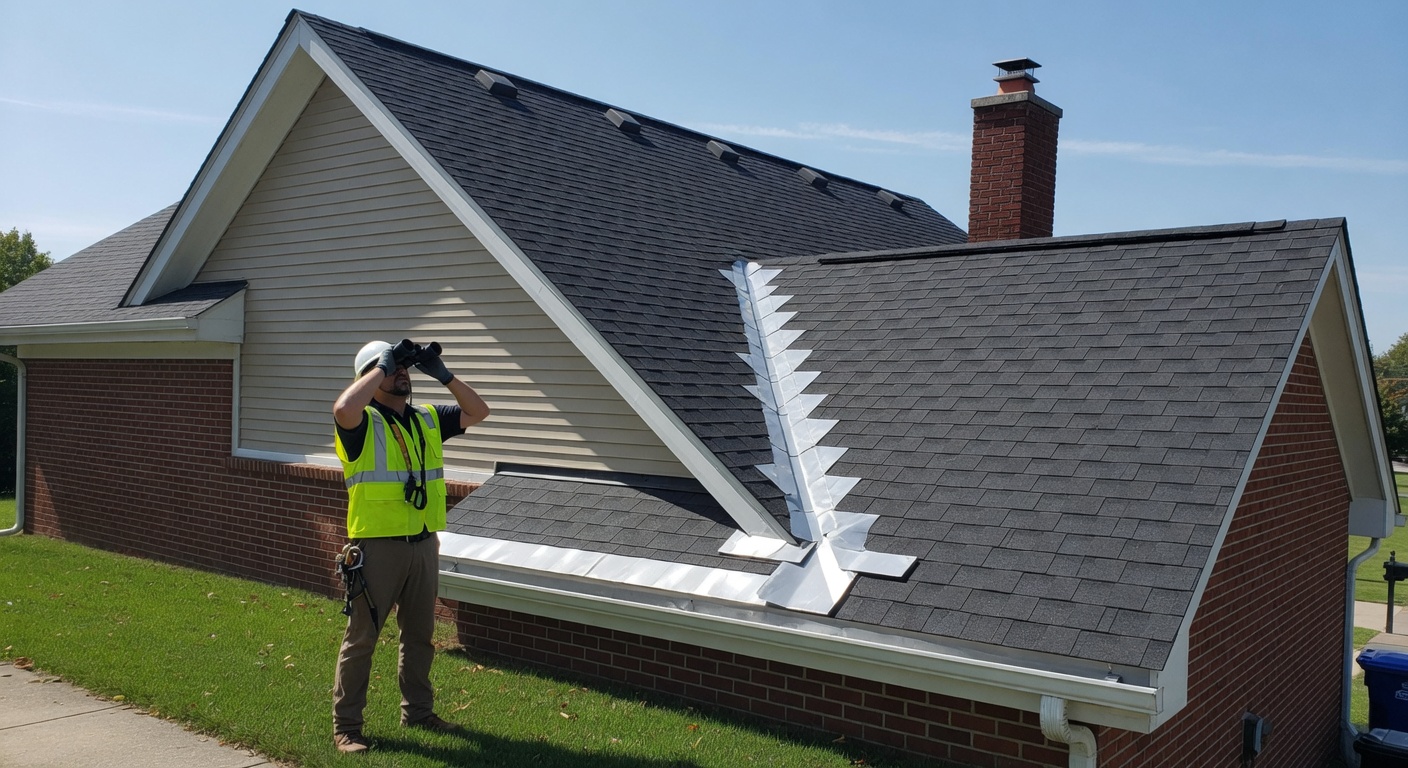
You do not need to climb on your roof to spot granule loss. Check these areas safely from the ground:
- Gutters and downspouts: Look for a buildup of grit or sand-like material after a rainstorm.
- Roof surface: With binoculars, scan for patchy, faded, or shiny spots on the shingles. Bald areas where you can see the dark asphalt layer are a sign of advanced loss.
- Discoloration: Uneven coloring across the roof can indicate uneven wear.
If you see these signs, it does not automatically mean your roof is failing. Let's look at why granules shed and when it becomes a concern.
Why granules appear in Triangle homes
Granules are the protective top layer on asphalt shingles. They shield the underlying asphalt from UV rays, heat, and rain. Over time, natural weathering causes them to loosen and wash off. This process is normal and gradual. However, several factors in the Triangle can accelerate it:
- UV radiation and heat: North Carolina's sunny, humid summers cause shingles to expand and contract, which loosens granules.
- Thunderstorms and wind: Our frequent storms drive rain and debris against the roof, knocking off granules.
- Hail: Hailstones can bruise shingles, causing concentrated local loss and exposing the mat beneath.
- Poor attic ventilation: Excess heat buildup in the attic speeds up shingle aging from underneath.
Many 2000s-era homes in the Triangle are now at ages where gradual wear becomes more noticeable. If your home is in a planned community or townhome, early detection can help with long-term maintenance planning.
Does granule loss mean your roof needs replacement?
Not necessarily. The answer depends on the extent and pattern of loss.
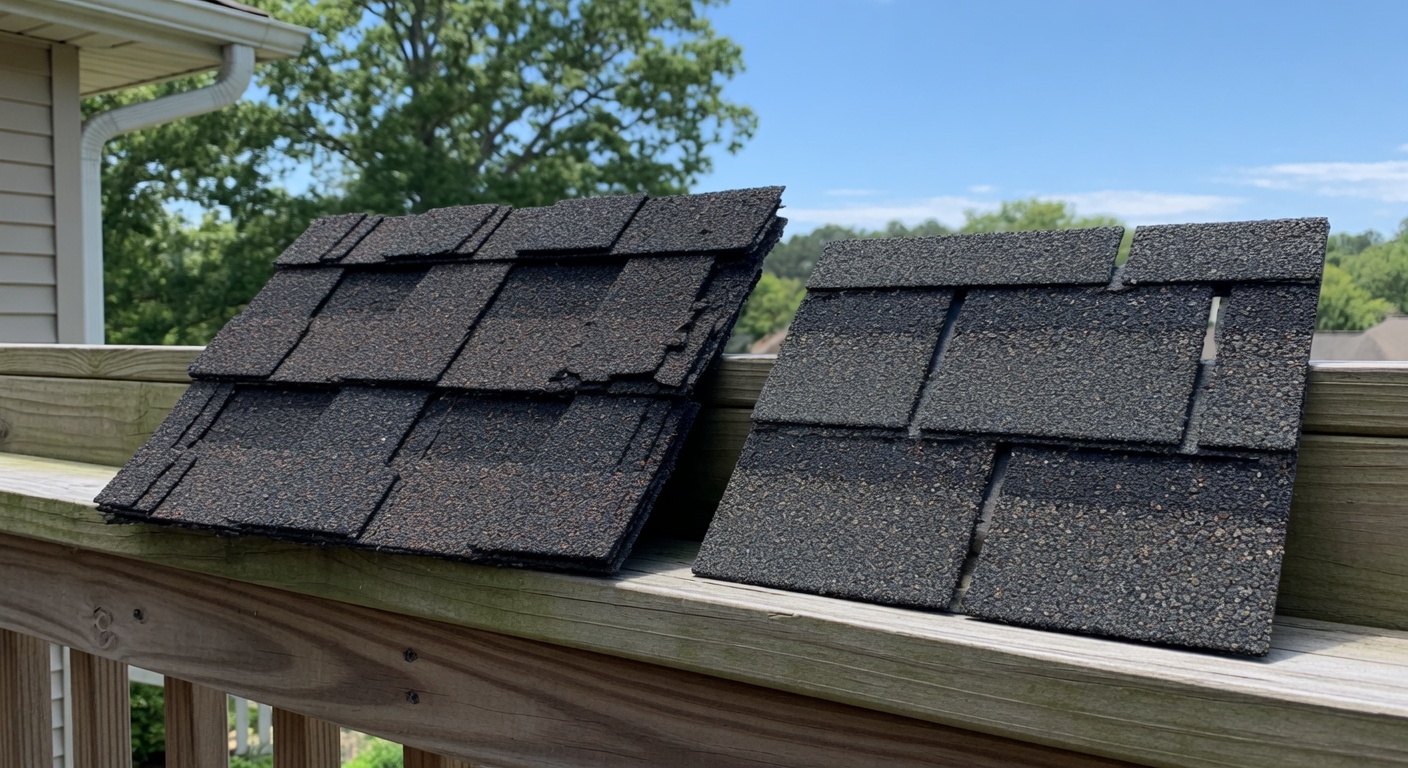
- Normal wear: Uniform, gradual loss over the whole roof is usually a sign of aging. A roof in this condition may still have years of service life left, but it is worth monitoring.
- Localized or heavy loss: If you see patchy bald spots, shiny areas, or exposed fiberglass mat, the shingles have lost significant protection. This can lead to faster deterioration, leaks, and higher cooling costs. A professional inspection can determine if repairs are possible or if replacement planning should begin.
- Storm impact: After a hailstorm or high winds, check for concentrated granule loss around dented or creased shingles. This may be covered by insurance if it is sudden damage rather than wear-and-tear.
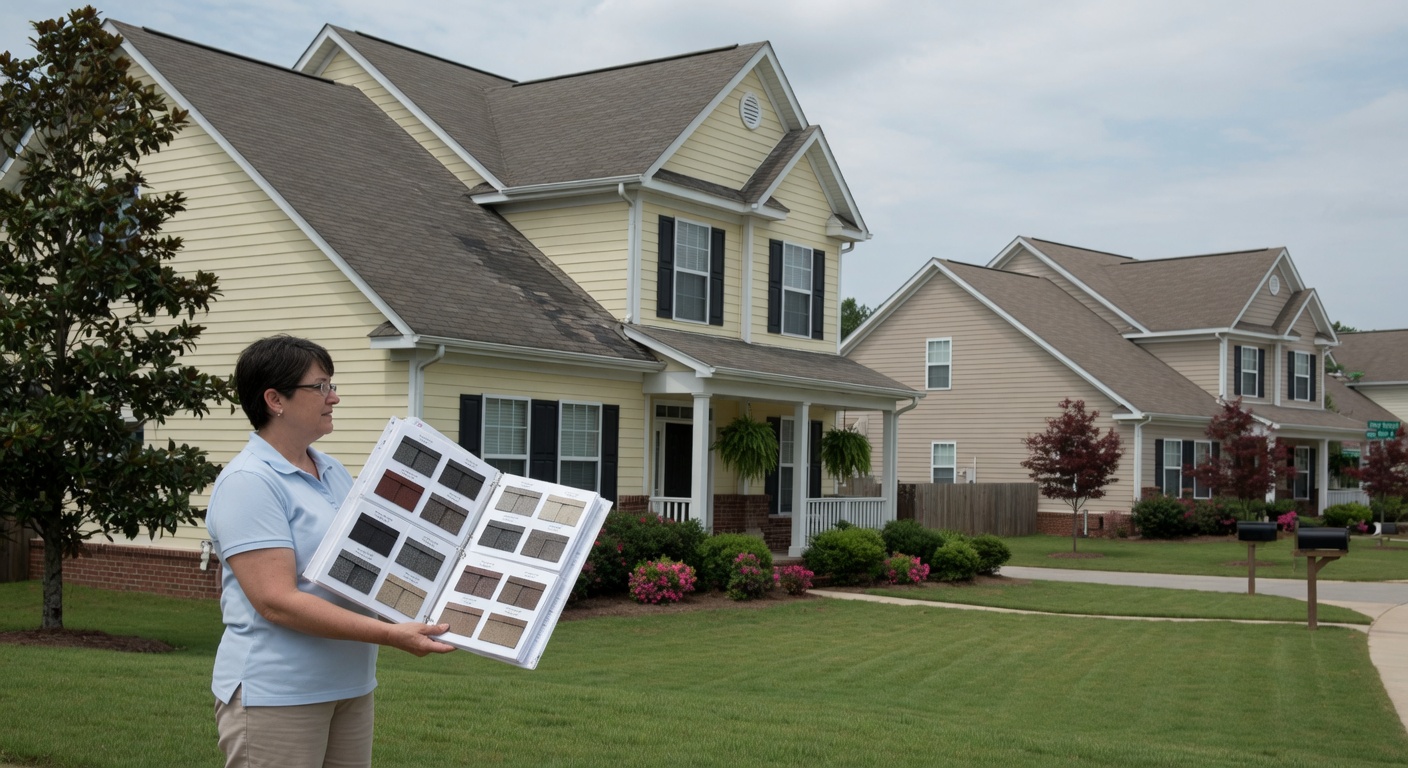
A reputable roofing contractor will not push a full replacement for minor loss. They will explain your options, from targeted repairs to full replacement, depending on your roof's overall condition.
Other signs to watch for alongside granule loss
Granule loss rarely happens alone. Pair it with these other symptoms to get a clearer picture:
- Curling or cupping shingles: Edges that turn up or down indicate age and heat damage.
- Cracked or torn shingles: These often accompany advanced granule loss and allow water intrusion.
- Dark streaks or algae: Common in humid climates, but less of a structural concern than granule loss.
- Interior leaks or stains: Water spots on ceilings or in the attic are a definite sign to call a pro.
If your roof shows a combination of these, it is wise to schedule a professional roof inspection.
When to schedule a professional roof inspection
You do not need to worry about every granule in the gutter. But it is time to call a roofer when:
- You see widespread bald spots or exposed mat from the ground.
- Granule loss is heavy and consistent across downspouts after multiple storms.
- Your roof is approaching or past 20 years old and you notice increased shedding.
- There are other signs like curling, leaks, or storm damage.
- You are planning to sell your home and want to document roof condition.
A thorough inspection from a Triangle roofing professional can identify the cause, measure the severity, and recommend next steps—whether that is a simple repair, storm documentation, or planning for replacement down the road.
If you have noticed granules in your gutters or bare spots on your roof, contact Morrisville Roofing Company to schedule a roof inspection. We serve homeowners across the Triangle, including Morrisville, Cary, Raleigh, Durham, and surrounding communities.
More Posts by Morrisville Roofing Company