When to Schedule a Roof Inspection After a Storm in the Triangle
When to Schedule a Roof Inspection After a Storm in the Triangle
Severe weather is a regular part of life in the Triangle. Thunderstorms, damaging winds, hail, and tropical remnants can all impact your roof. After a storm passes, many homeowners wonder: should I call a professional right away, or is it safe to wait? The answer depends on a few key factors, including the storm's severity, visible signs of damage, and your roof's condition. This guide helps you understand when a professional roof inspection is worth scheduling.
Key factors that influence inspection timing after a storm
Not every storm warrants an immediate roof inspection. The National Weather Service (NWS) defines a severe thunderstorm in the Raleigh area as one producing wind gusts of at least 58 mph or hail of at least 1 inch in diameter. These thresholds are useful benchmarks. If your area received warnings matching this criteria, a closer look is a good idea. Other factors include:
- Visible signs from the ground: missing or lifted shingles, dents on vents or gutters, and debris in your yard.
- Active leaks: water stains on ceilings or walls indicate immediate attention is needed.
- Neighbor reports: if others in your community found damage, it's worth checking yours.
- Roof age: older roofs or those approaching typical service life are more vulnerable to hidden damage.
- Storm type: hail, wind, and heavy rain each affect roofs differently.
Storm-type differences and recommended next steps
High winds
Strong winds can lift shingles, tear off ridge caps, and damage flashing around chimneys and vents. Wind-driven rain can also expose weak points. After a high-wind event, inspect your yard for shingle debris and check for lifted edges from the ground. If you see any, a professional inspection is wise, even if there's no leak yet.
Hail
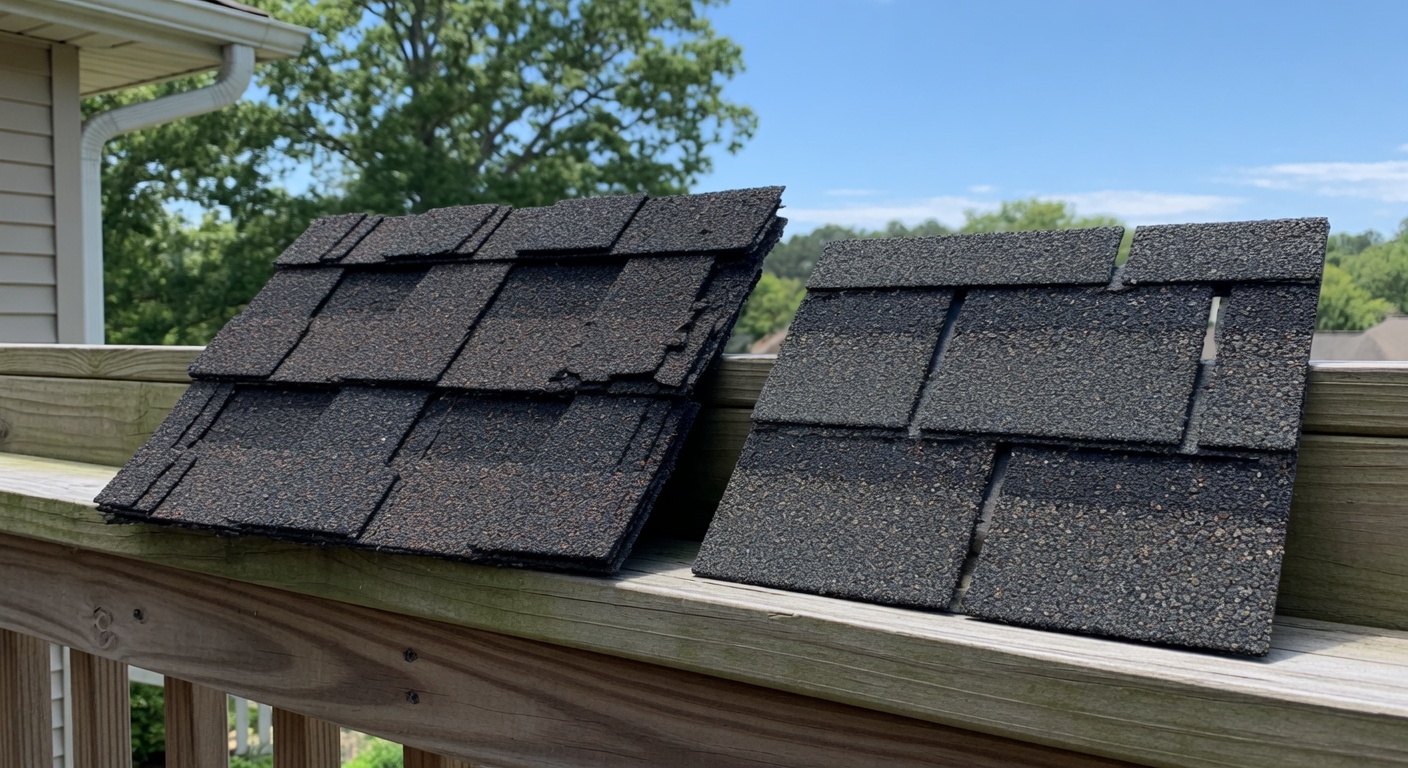
Hail can bruise asphalt shingles, causing granule loss that may lead to future leaks. Hail damage can be subtle and not always visible from the ground. After a hailstorm with quarter-sized hail or larger, a professional inspection can detect soft spots or cracking that aren't obvious at first.
Heavy rain and tropical remnants
Heavy rain from slow-moving storms or tropical systems often reveals existing vulnerabilities. Leaks may appear hours or days after the event. If you notice water stains or dampness in the attic after heavy rain, prompt inspection is recommended to prevent mold and structural issues.
When ground-level checks may be enough versus when to call a professional
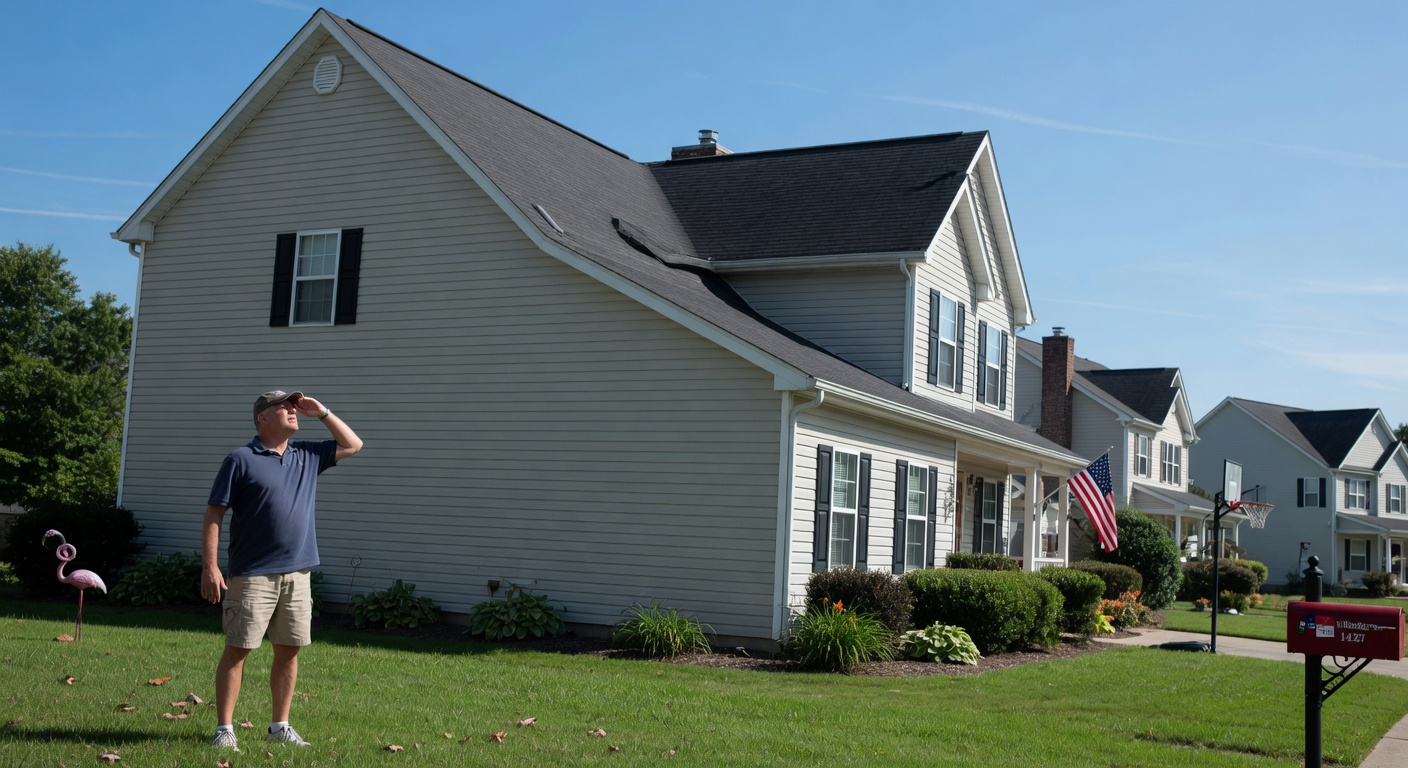
Start with a safe ground-level inspection. Walk around your home and look for:
- Missing, curled, or lifted shingles
- Granules in gutters or downspouts
- Dented gutter sections or downspouts
- Fallen tree limbs or debris near the roof
- Visible stains on interior ceilings or walls
If you find any of these signs, it's time to call a professional roof inspection. Even without visible signs, consider an inspection if the storm was severe (NWS criteria met) or if your roof is older. Hidden damage can compromise your home's protection over time.
When to call a professional:
- Active leaks or water intrusion
- Visible damage from ground level
- Hail larger than 1 inch reported in your area
- Prolonged heavy rain with a history of past leaks
- Older roofs or those built in the 2000s or earlier
Triangle climate considerations for post-storm evaluation
North Carolina experiences about 40 to 50 thunderstorm days per year, with roughly 10 percent classified as severe. The Triangle, including Wake County, is prone to thunderstorm winds, hail, and lightning. The Wake County Multi-Jurisdictional Hazard Mitigation Plan specifically identifies severe weather as a key hazard. This frequency means Triangle homeowners should have a post-storm routine that includes checking for roof damage after any significant event.
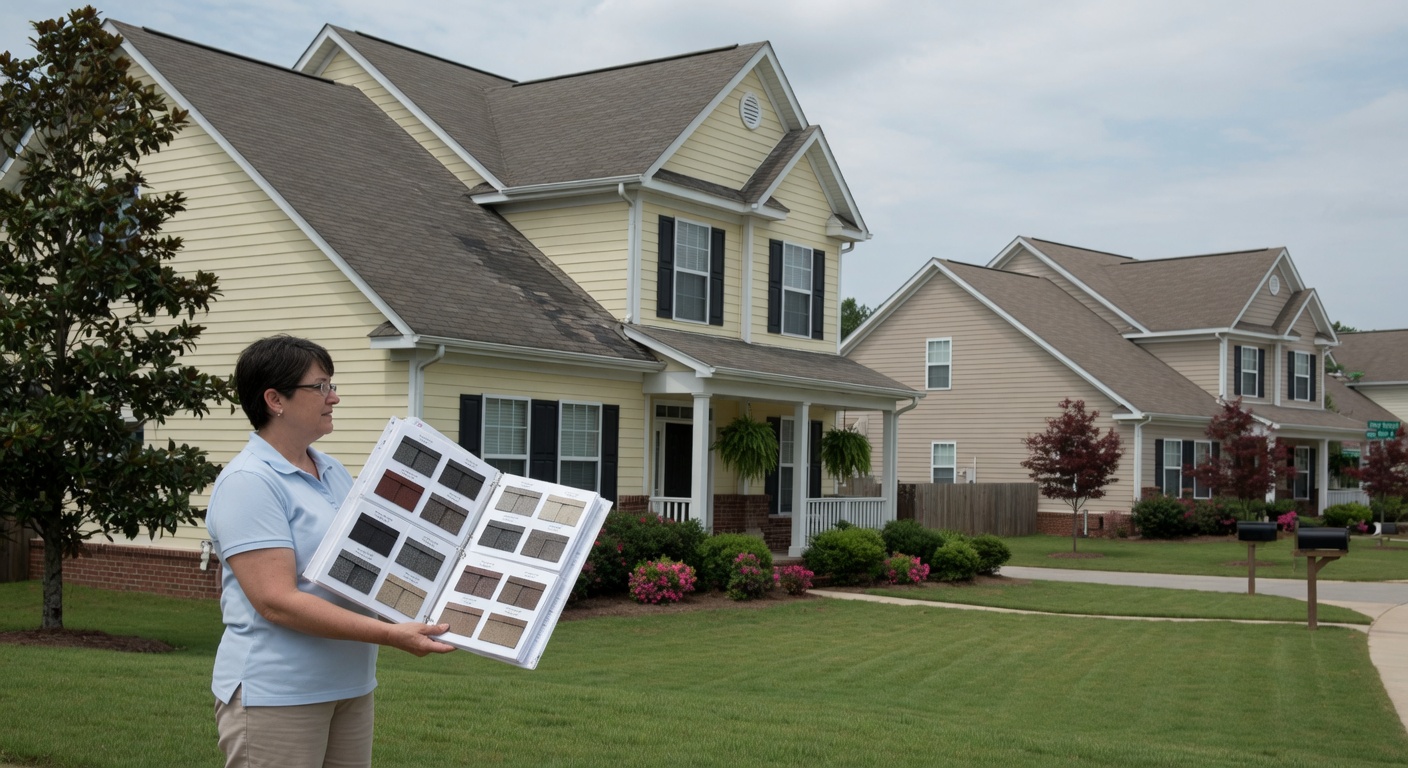
Many homes in the Triangle (including Morrisville, Cary, Raleigh, and Durham) were built in the 2000s or later. While newer construction has modern building standards, storm impacts on flashing, valleys, pipe boots, and attic ventilation can still occur. Planned communities and townhomes may have additional considerations, such as appearance guidelines for repairs.
The value of documentation from a professional inspection
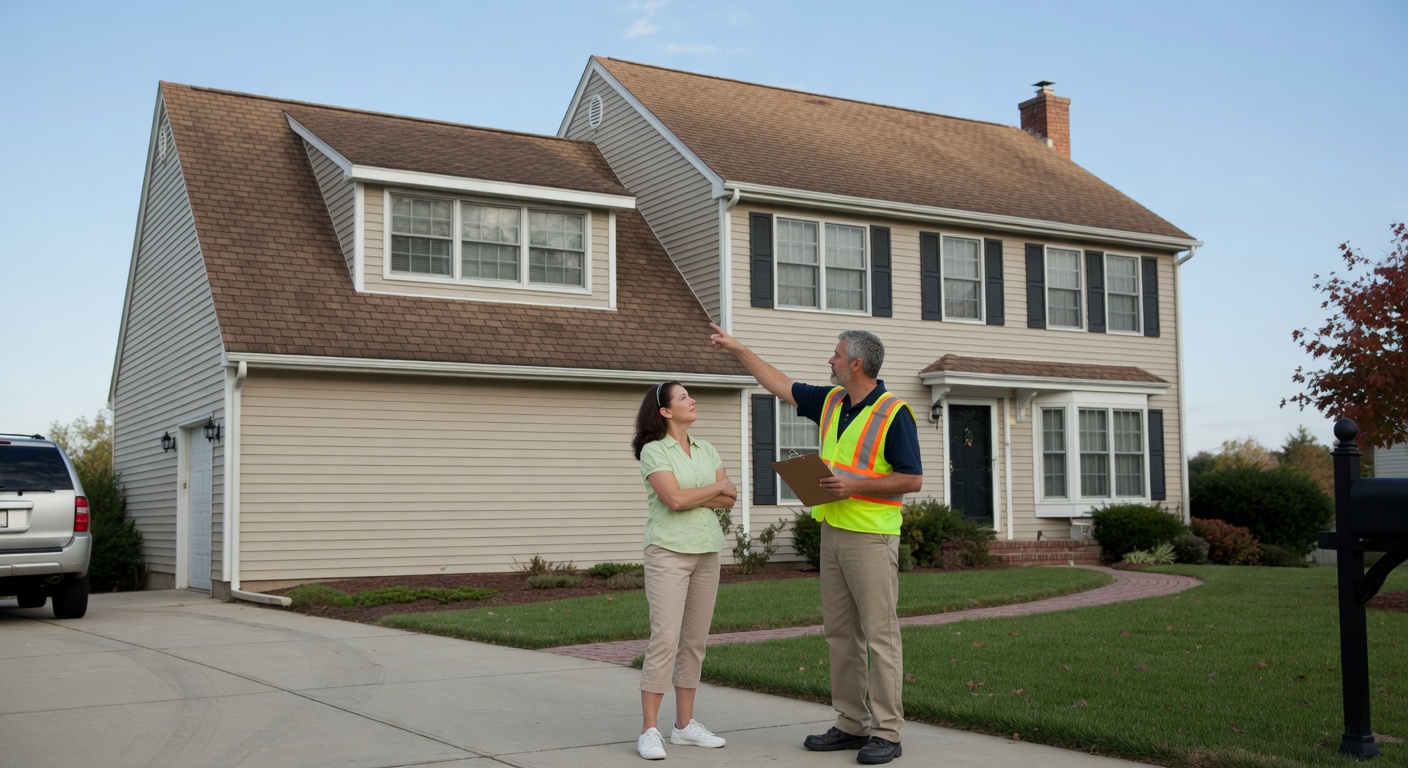
If you do decide to call a professional, the inspection serves more than just peace of mind. A thorough inspector will document visible findings with photos and notes, providing a clear record of your roof's condition. This documentation can be helpful if you later need to file an insurance claim or decide on repairs versus replacement. The North Carolina Department of Insurance recommends documenting damage and making only temporary repairs if needed—your inspection report can serve as that starting point.
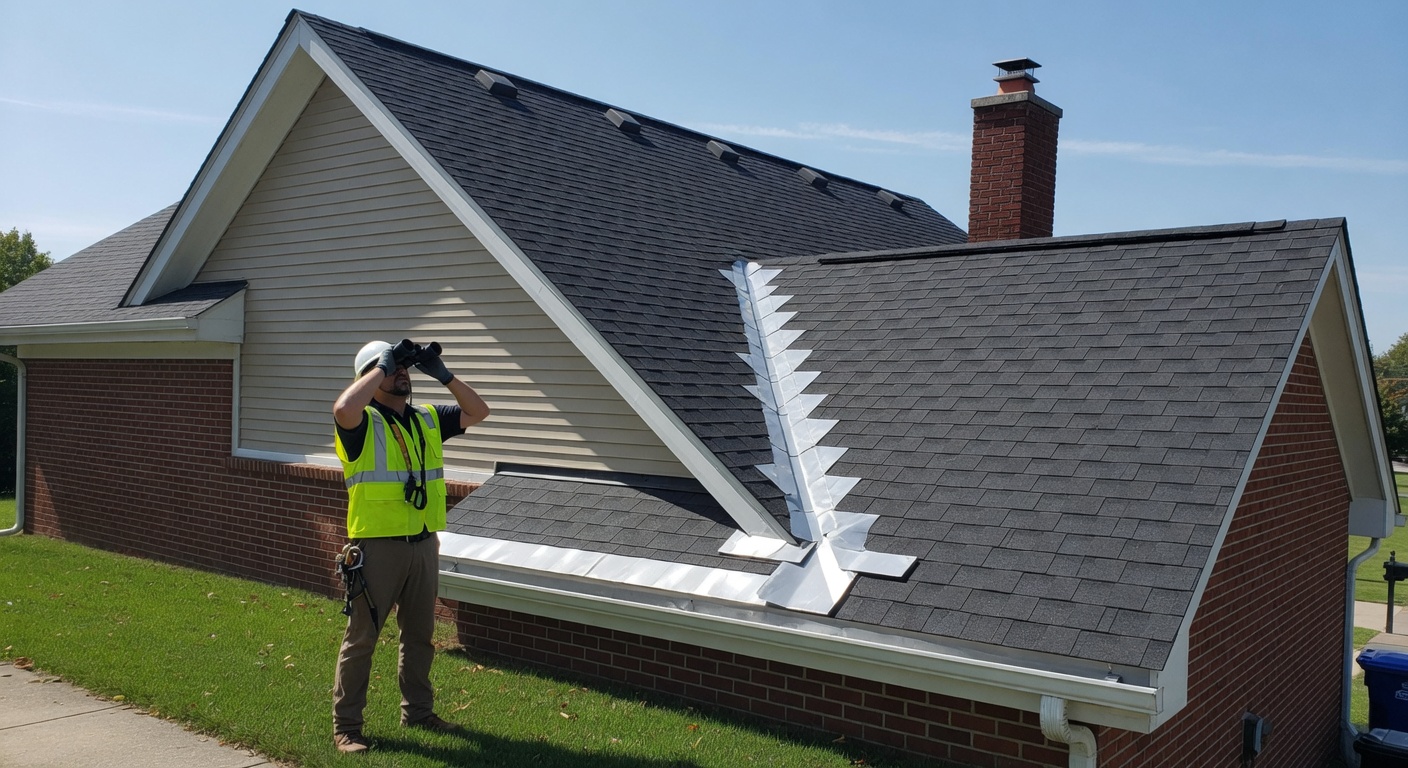
Professional inspectors also know where to look: around chimneys, skylights, roof valleys, and vent pipes. They can distinguish storm damage from age-related wear, giving you an honest assessment of what your roof actually needs.
Remember, safety comes first. Never attempt to climb onto a wet or damaged roof. If you suspect damage, call a professional. Morrisville Roofing Company serves homeowners across the Triangle with clear, inspection-based guidance. Contact us to schedule a roof inspection and get the clarity you need after your next storm.
More Posts by Morrisville Roofing Company