How Tree Debris and Fallen Limbs Affect Your Roof in the Triangle
How Tree Debris and Fallen Limbs Affect Your Roof in the Triangle
If you live in the Triangle and have trees near your home, you've probably seen leaves, pine needles, or fallen branches on your roof after a storm. You may be wondering whether this debris can actually cause damage or lead to leaks. The short answer is yes, but it depends on roof age, material, storm severity, and how quickly debris is addressed.
Quick answer: Could debris be causing roof problems?
Tree debris can cause roof damage in two main ways: direct impact from limbs and moisture trapping from accumulated leaves or pine needles. A heavy limb can puncture shingles or dent flashing. Pine needles and leaves in valleys or gutters can trap water against roof materials, leading to moisture intrusion over time. But not every debris situation means you need a new roof. A professional inspection can identify real issues.
How tree debris and limbs reach roofs in the Triangle
North Carolina sees 40 to 50 thunderstorm days each year, and about 1 in 10 of those is severe. Severe storms pack winds of 58 mph or more, strong enough to snap tree branches and send them flying. The Wake County Hazard Mitigation Plan notes that high winds and debris can damage roof coverings. In the Triangle, many 2000s-era neighborhoods have mature trees that were planted when homes were built, so debris on roofs is common.
Common roof areas affected by debris
Debris tends to gather in certain spots:
- Valleys: Leaves and pine needles pile up in roof valleys, blocking water flow during heavy rain and holding moisture against shingles.
- Gutters: Clogged gutters force water to back up under roof edges, potentially damaging fascia and decking.
- Flashing and pipe boots: Limbs can dislodge or dent these vulnerable areas.
- Ridge caps: A heavy branch landing on a ridge can crack or lift caps, creating an entry point for water.
Signs homeowners can safely check from the ground
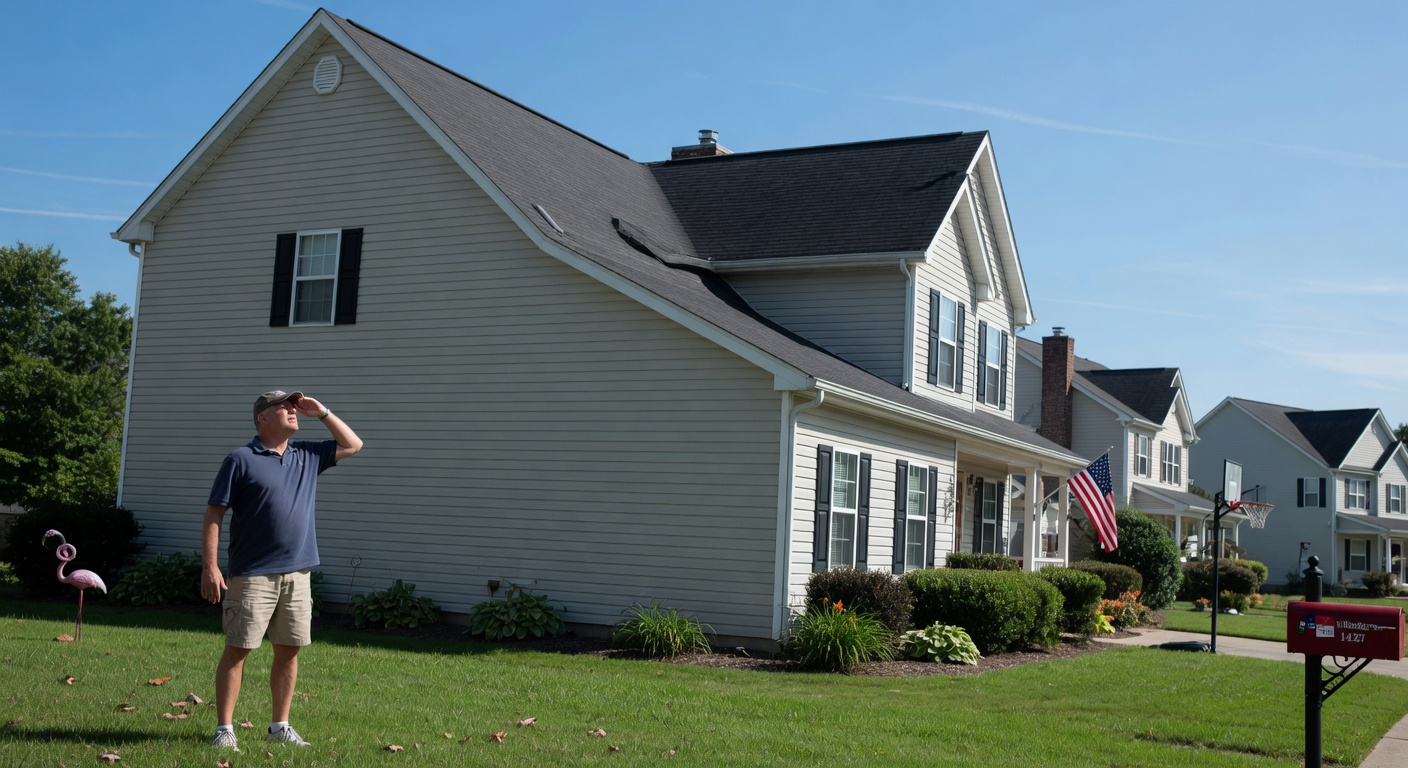
You don't have to climb onto your roof to look for trouble. From the ground, you might be able to see:
- Visible limbs or branches resting on the roof
- Pine needles or leaves piled up in valleys or along edges
- Dented or loose gutters
- Missing or broken shingles at the roof edge
- Water stains on ceilings or in the attic after heavy rain
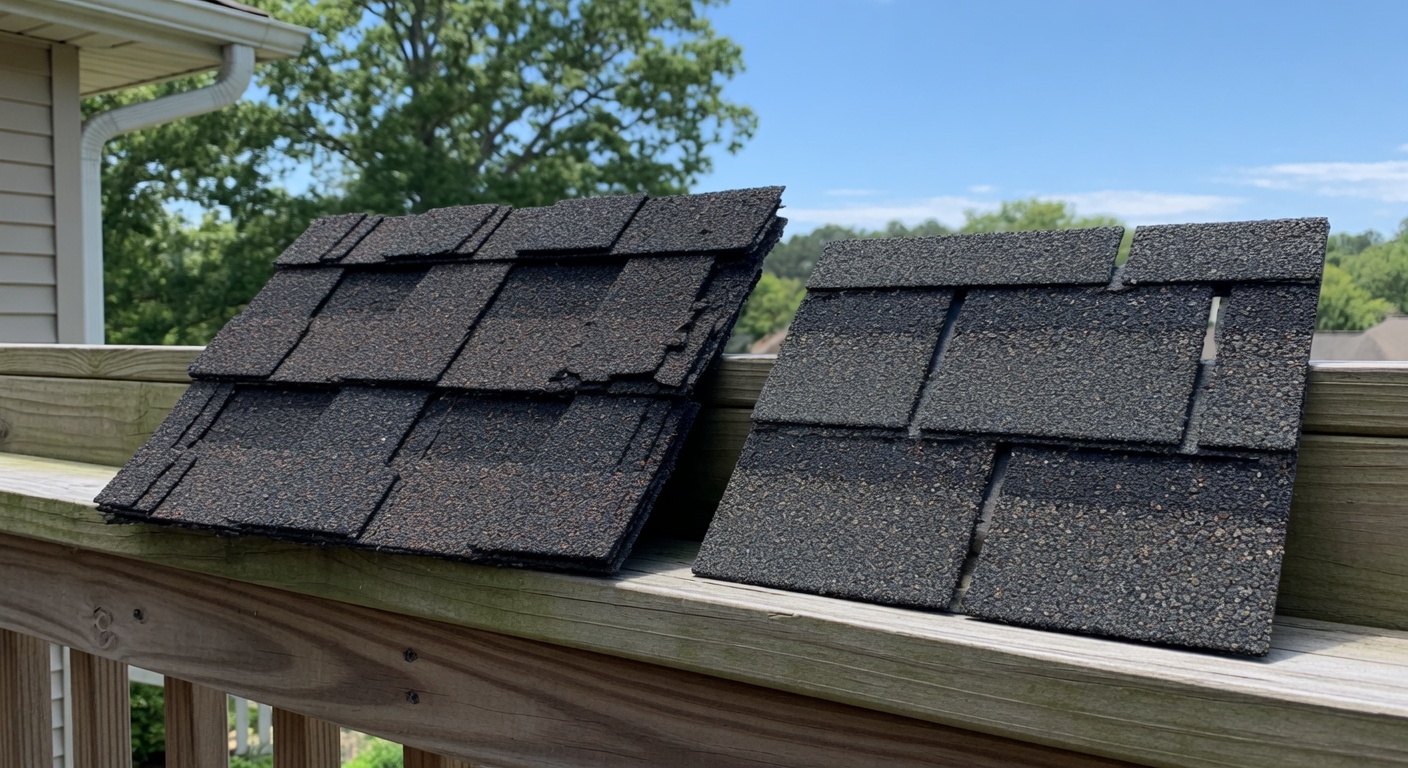
- Granules from shingles in the gutters or downspouts
If you spot any of these, especially after a storm, it's smart to schedule an inspection.
When debris points to a need for professional inspection
Not every debris situation calls for a roofer. But call for an inspection if:
- A limb has hit the roof and you suspect damage to shingles or flashing
- Pine needle buildup in valleys is recurring and seems to be holding moisture
- You have a persistent leak that only shows up during or after heavy rain
- Your roof is 15 years or older and hasn't been inspected recently
- You notice water stains in the attic or ceiling near where debris collects
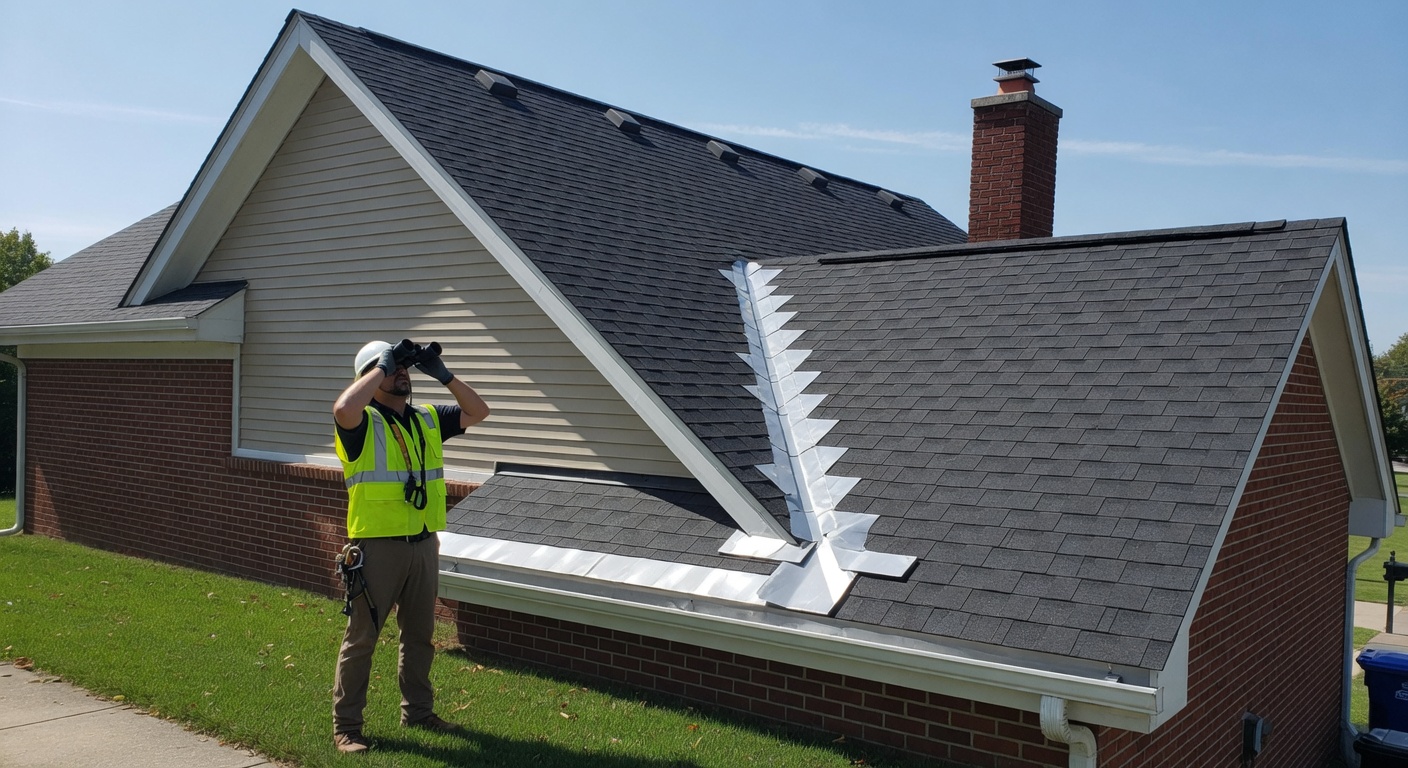
A professional can safely get on the roof, clear debris, check for hidden damage, and advise on repair versus replacement.
Next steps for Triangle homeowners
If you're worried about tree debris or fallen limbs on your roof, start by taking photos of what you can see from the ground. Then call a trusted roofing contractor for an inspection. Roof inspections help document conditions and give you a clear picture of what needs attention.
For more on storm-specific roof issues, read our post on storm damage signs you can spot from the ground.
Contact Morrisville Roofing Company to request a professional roof inspection. We serve homeowners across the Triangle.
More Posts by Morrisville Roofing Company