When Should You Inspect a Roof on a 2000s Home in the Triangle?
When Should You Inspect a Roof on a 2000s Home in the Triangle?
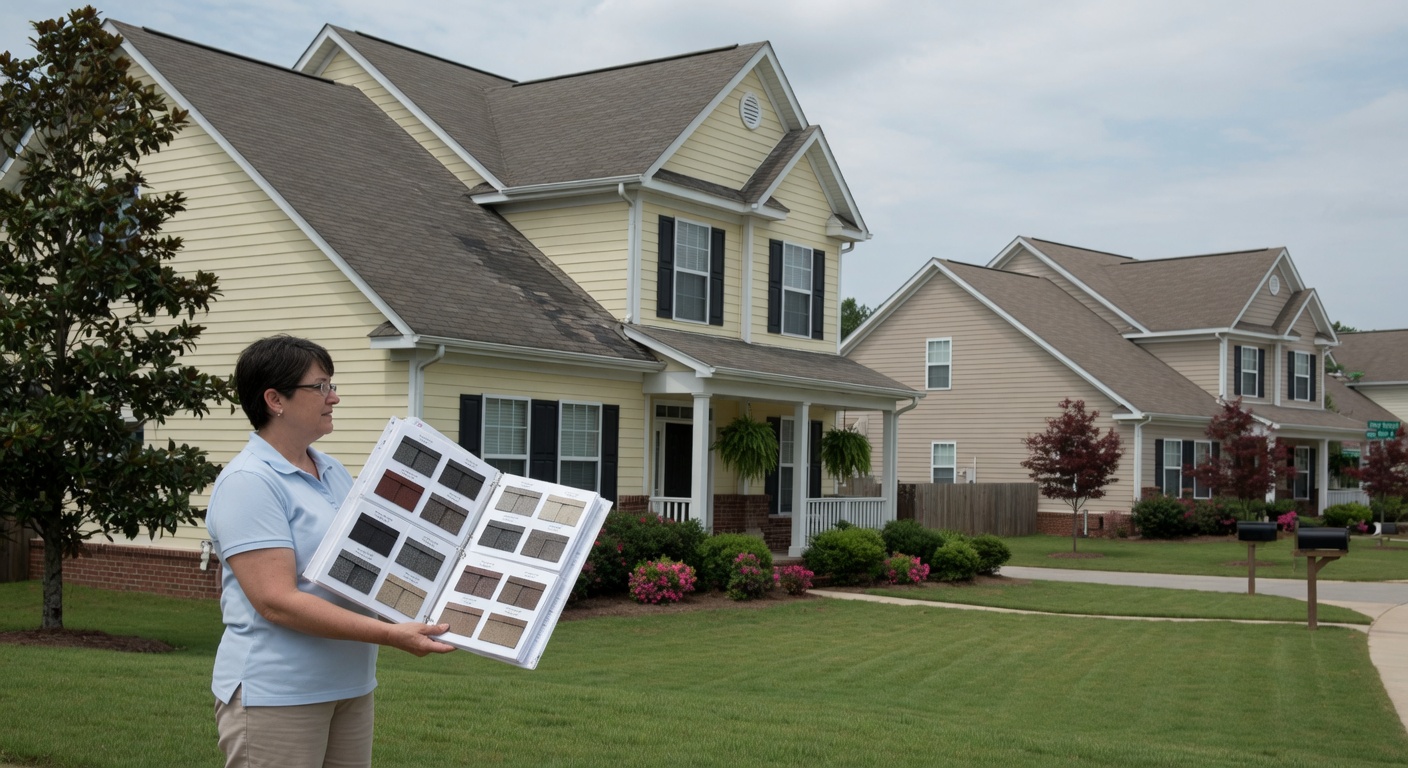
If your home was built in the 2000s and still has its original roof, you might be wondering whether it needs attention. Asphalt shingle roofs in North Carolina's humid, storm-prone climate typically last 15 to 25 years. That puts many Triangle homes built during the 2000s growth period right in that window. But age alone doesn't mean you need a replacement. A professional roof inspection can help you understand what's really going on up there.
The short answer: A roof inspection is a good idea if your 2000s-era roof shows any signs of wear like granule loss, curling or cracked shingles, dark streaks, or if you've noticed leaks after heavy rain. Even if nothing looks wrong, a one-time check can give you peace of mind and help you plan for the future. You don't need to climb up yourself - safe ground-level checks and a professional inspection are the right approach.
The 2000s housing context in the Triangle
The Triangle - including Morrisville, Cary, Apex, Raleigh, Durham, and surrounding communities - saw a lot of new home construction in the 2000s. Many neighborhoods and planned communities went up during that decade. That means a large share of homes in the region are now 15 to 25 years old, right around the time when asphalt shingle roofs typically start showing their age.
These homes were built with modern building codes, so the roof installation itself is often solid. But time and weather still take a toll. The original shingles may still have years left, or they may be nearing the end of their service life. It depends on factors like ventilation, storm exposure, and maintenance history. That's why a targeted inspection makes more sense than assuming every 2000s roof needs to be replaced.
How local weather accelerates wear on newer roofs
Triangle weather is hard on roofs. Here's what matters:
- Humidity and heat: High humidity and summer heat speed up asphalt aging. Shingles can become brittle, curl, and lose granules faster than in drier climates.
- Thunderstorms and high winds: Severe thunderstorms with winds over 58 mph are common. They can lift shingles, damage edges, and loosen flashing.
- Hail: Hailstones an inch or larger can crack shingles, dent metal vents, and compromise protective granules.
- Heavy rain: Intense downpours test flashings, pipe boots, valleys, and skylights. If water gets in, it often shows up as a leak during the next storm.
- Tropical remnants: Even inland, tropical storms can bring prolonged rain and gusty winds that expose weak spots.
For 2000s roofs, these weather factors can accelerate wear at vulnerable points like roof penetrations and edges. That's why it's worth checking after a big storm.
Ground-level signs homeowners can safely check
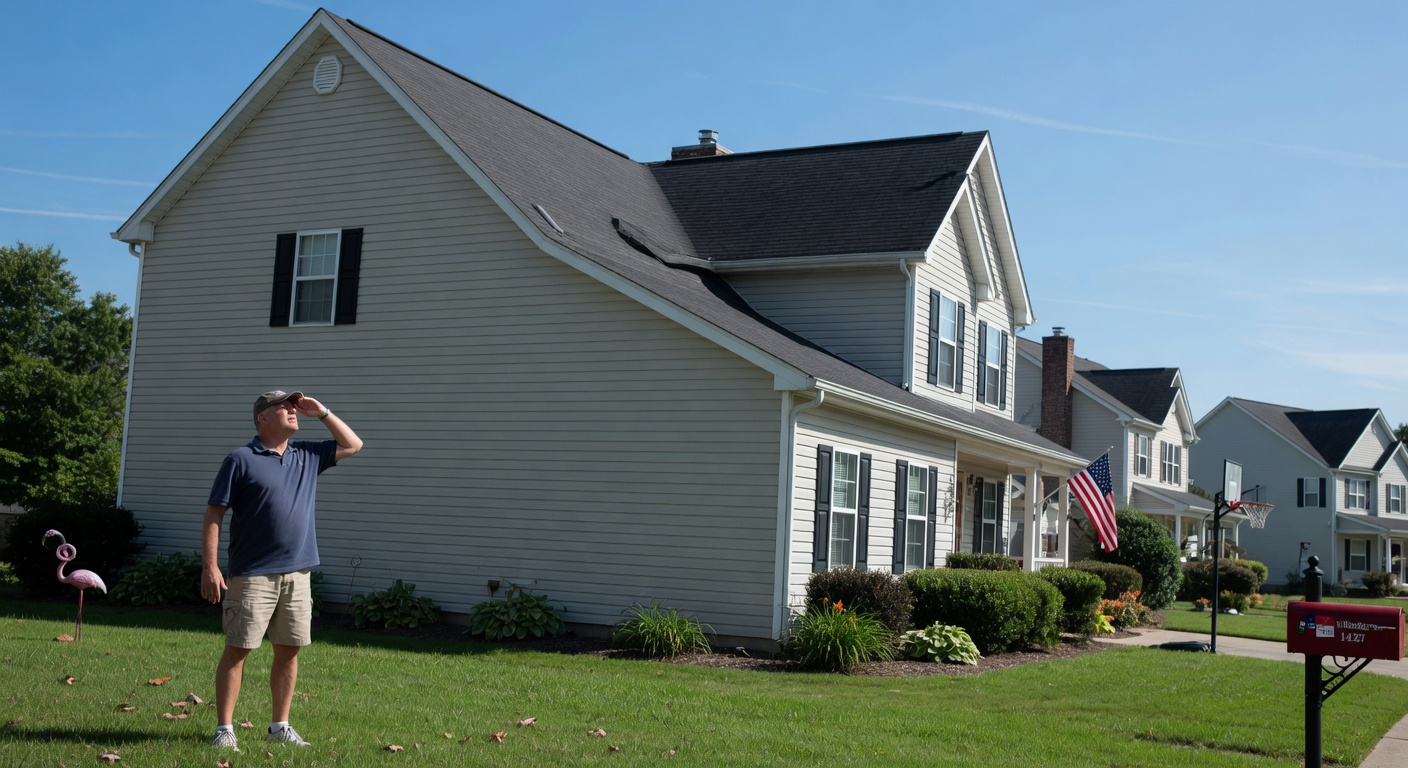
You don't need to get on a ladder to notice some warning signs. From the ground or with binoculars, look for:
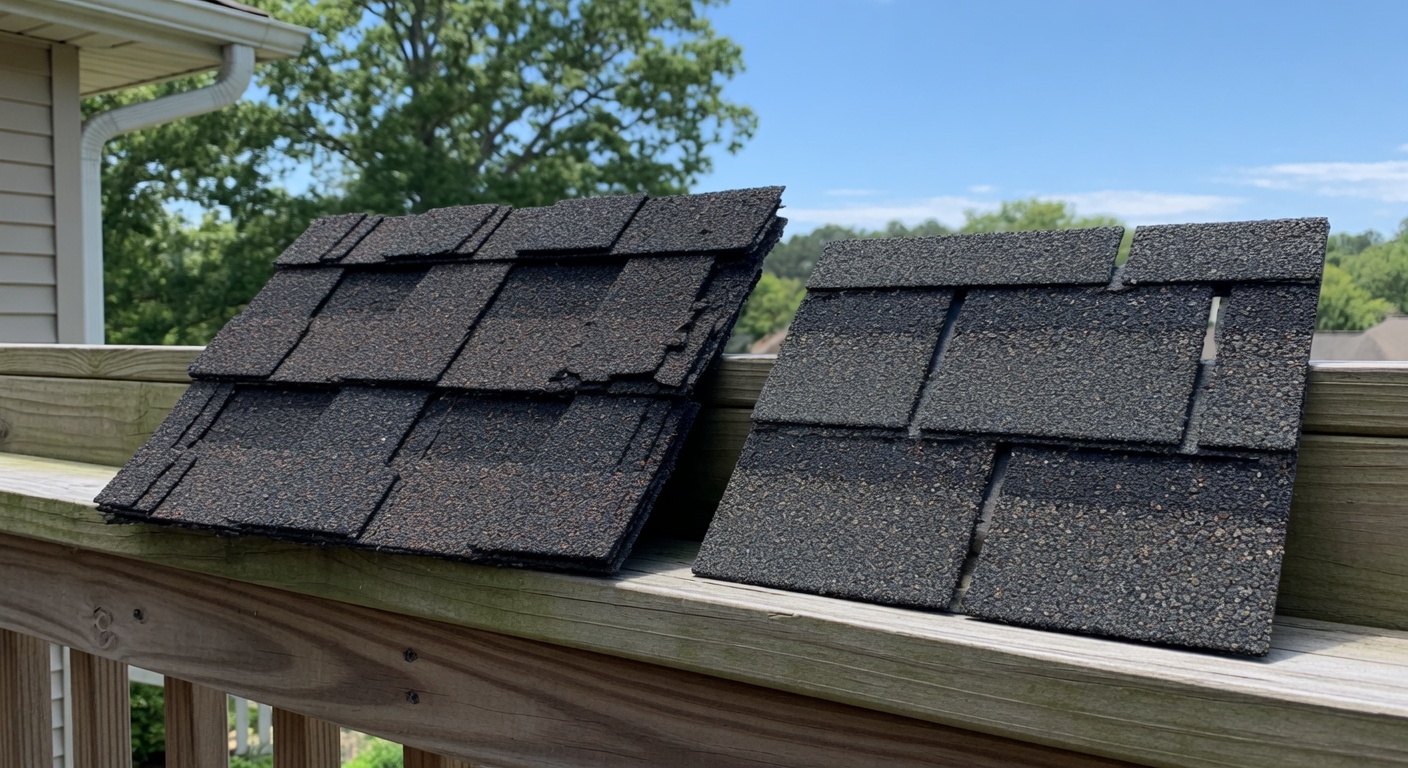
- Granule loss: Check gutters and downspout areas for sand-like granules. Some loss is normal, but heavy accumulation suggests shingles are deteriorating.
- Curling or cupping shingles: Shingles that lift at the edges or curl upward are a sign of age or poor ventilation.
- Cracked or missing shingles: Hail or wind can cause cracks or tear shingles loose.
- Dark streaks or algae: Black streaks are usually algae, not rot. They're mainly cosmetic but can indicate moisture retention.
- Sagging roof lines: Any dip or sag suggests possible decking or structural issues.
- Stains on interior ceilings or walls: Water stains in the attic or upper floor point to a leak that needs attention.
- Debris in valleys: Leaves and pine needles can trap moisture and cause problems at roof valleys.
If you spot any of these, it's a smart time to bring in a professional. But even if everything looks fine from the ground, there could be issues you can't see - like deteriorated flashing or poor attic ventilation.
When a professional inspection is the right next step
A professional inspection adds value in several situations:
- Your roof is 15+ years old and hasn't been inspected recently. A baseline check helps you understand current condition and plan ahead.
- You notice any of the ground-level signs above. A pro can confirm what's happening and whether repair or replacement makes sense.
- After a severe storm. Wind and hail damage aren't always visible from the ground. A storm damage roof inspection can document any issues for insurance purposes.
- Before buying or selling a home. A roof inspection provides documentation and can prevent surprises during a real estate transaction.
- If you've had a leak. Even if you fixed it, an inspection can identify other vulnerable spots and help prevent future leaks.
Not every older roof needs replacement. Sometimes a repair, better ventilation, or regular maintenance can extend its life. A thorough inspection gives you the information to make that call.
What to expect from an inspection report
What should a professional roof inspection include? Here's a typical rundown:
- Overall condition of shingles, including granule loss, curling, cracking, and algae
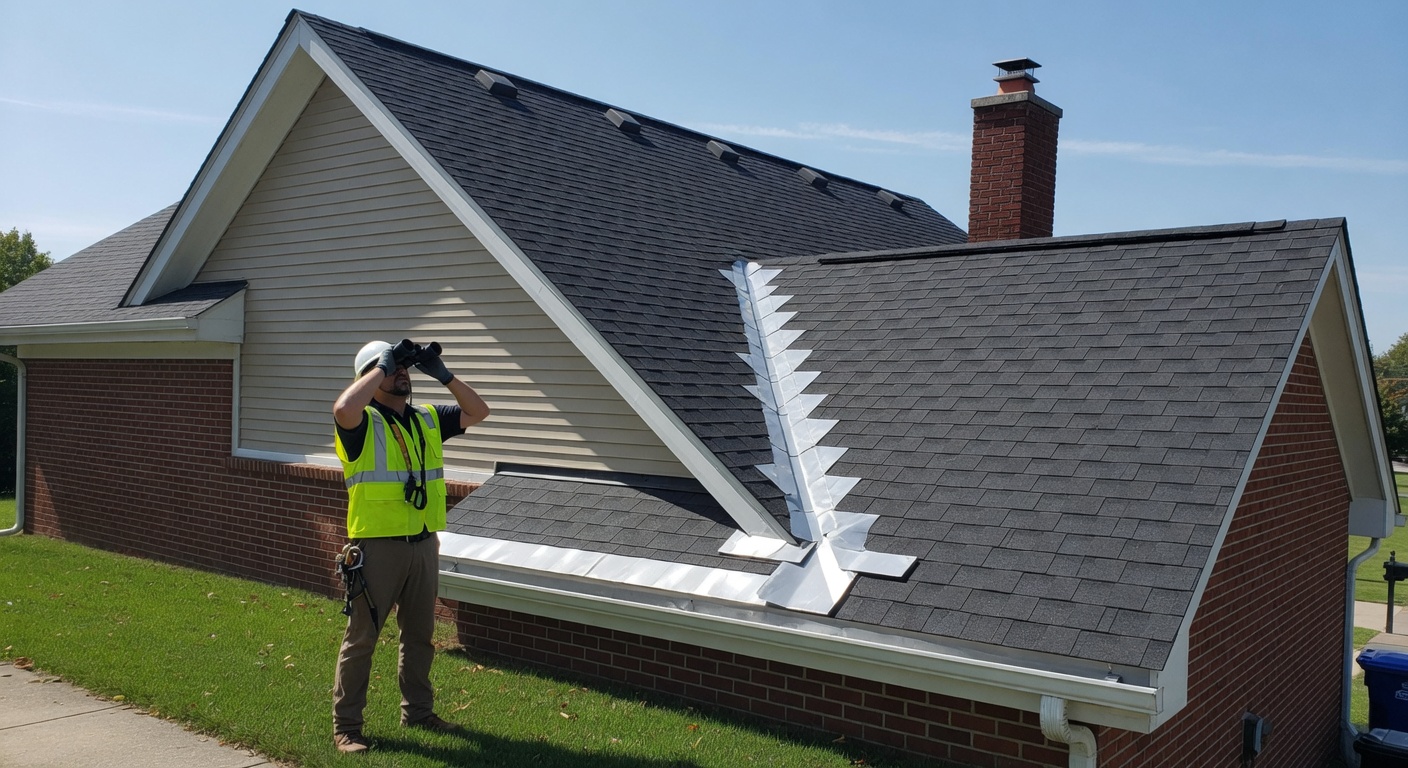
- Condition of flashings around chimneys, skylights, vents, and roof valleys
- Pipe boots and other roof penetrations for cracks or deterioration
- Attic ventilation and signs of moisture or mold
- Gutters and downspouts for debris or damage
- Any visible signs of leaks or structural issues
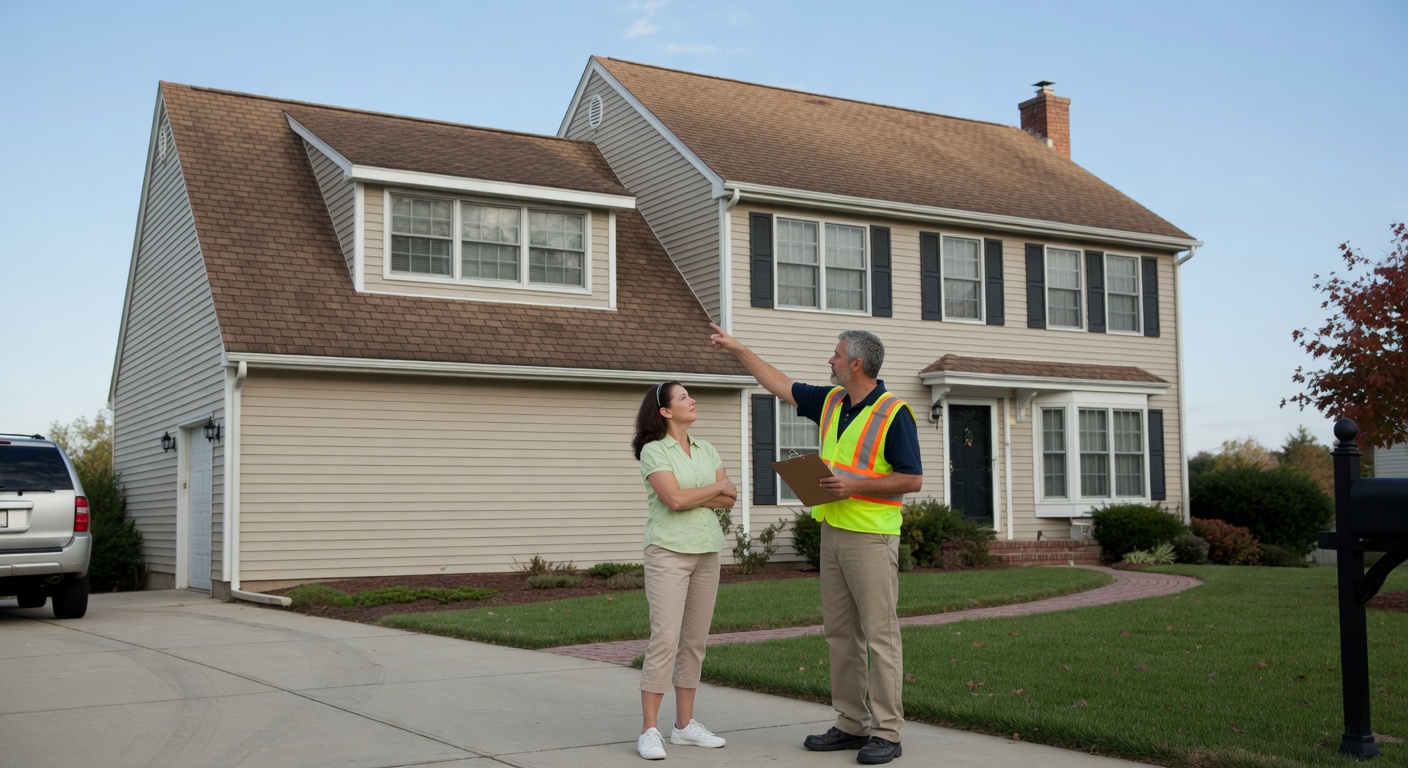
After the inspection, you should receive a written report with photos and clear recommendations. The report should explain whether repairs are possible, or if replacement is the more practical option based on the roof's condition and age.
At Morrisville Roofing Company, we focus on giving you honest, evidence-based guidance. We'll inspect your roof, document what we find, and explain your options - no pressure, just practical advice.
If you own a 2000s-era home in the Triangle and want to know where your roof stands, contact us to schedule an inspection. We serve homeowners across Morrisville, Cary, Apex, Raleigh, Durham, and the surrounding area.
More Posts by Morrisville Roofing Company