Is your roof wear cosmetic or does it signal a problem?
Is your roof wear cosmetic or does it signal a problem?
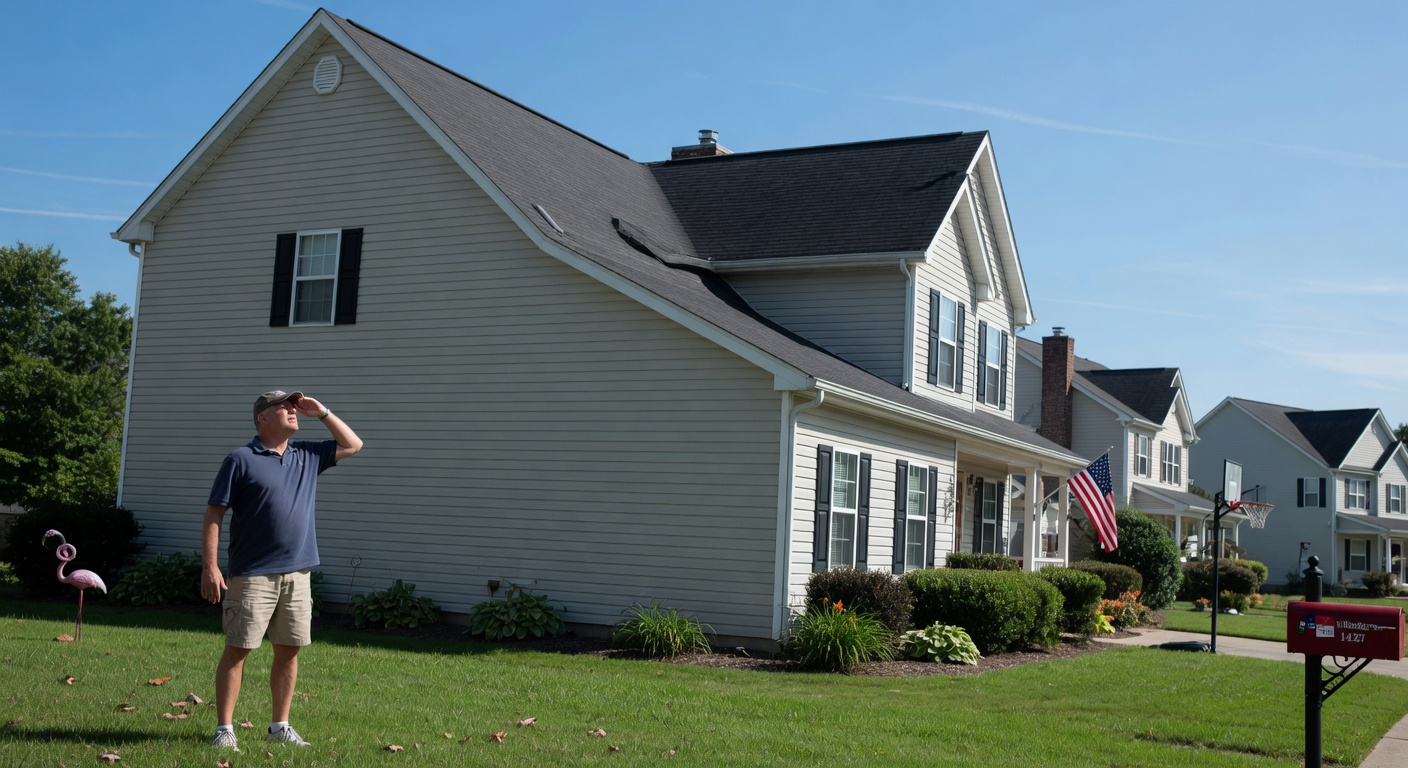
If you've noticed dark streaks, granule loss in the gutters, or a few raised shingle edges on your Triangle home, you're likely wondering whether this wear is cosmetic or structural. Many homeowners face the same question. The answer matters because it affects your next step: watchful waiting, a repair, or planning for replacement.
This guide helps you sort through the visible signs, understand what Triangle weather does to roofs, and know when a professional inspection makes sense. We'll keep it practical and grounded in what you can safely see from the ground.
Defining cosmetic wear vs. structural damage
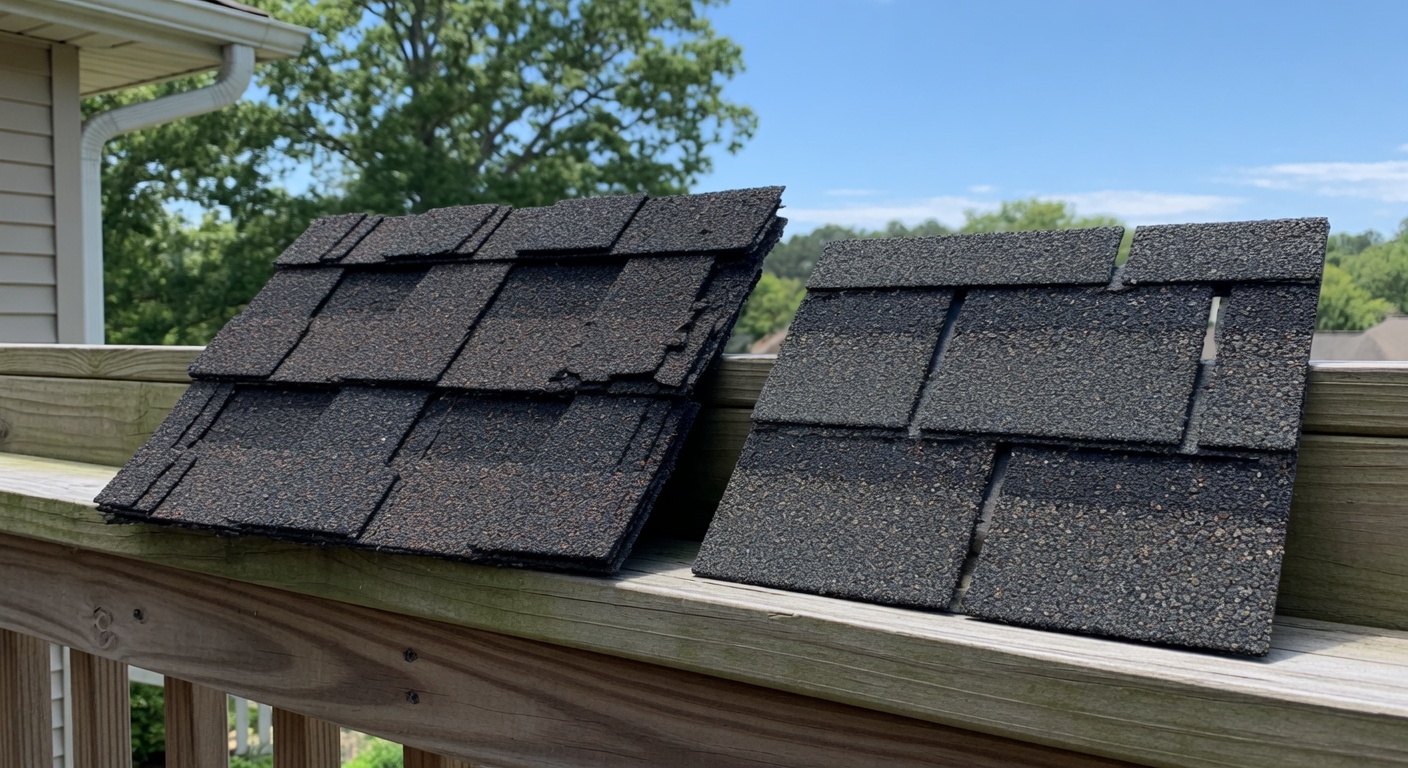
Professional roofing standards distinguish between cosmetic and functional damage. Cosmetic wear affects appearance only and does not reduce the roof's ability to shed water or shorten its expected service life. Structural damage compromises the roofing material's protective function, exposing the underlayment or decking to moisture.
The good news is that many common signs of wear on Triangle roofs are cosmetic. The trick is telling them apart from the ones that need attention soon.
Common cosmetic signs on Triangle roofs
The humid Triangle climate creates certain cosmetic issues that appear on many homes, especially those built in the 2000s.
Algae streaking (black streaks)
Those dark streaks running down the roof are usually Gloeocapsa magma algae. They're primarily a cosmetic nuisance, though they can hold moisture against shingles and accelerate granule loss over many years. By themselves, they don't mean your roof is failing.
Minor granule loss
A small amount of granules in the gutters is normal, especially on newer roofs. It happens during installation and as shingles settle. As long as the loss is uniform and you don't see bald spots exposing the underlying mat, it's typically not urgent.
Light hail dents
Hail that doesn't fracture the shingle mat creates dents but leaves the protective layer intact. These are considered cosmetic if the shingle still sheds water properly. Metal accessories like vents may show dings without functional damage.
Minor edge curling or lifting
After strong wind, a few shingles might lift slightly at the edges. If the lifting is minor and the shingle returns to flat, it's often cosmetic. But if the shingle stays lifted or if you see exposed underlayment, that's a different story.
Signs that may indicate structural concerns
Some visible issues warrant a professional inspection because they can lead to leaks or shorten the roof's life.
- Widespread bald spots exposing fiberglass mat. If granules are gone over large areas, the asphalt coating is vulnerable to UV and weather.
- Missing, cracked, or curled ridge caps. Ridge caps are critical for keeping water out at the roof peak. Damage here often requires repair.
- Shingles that are lifted, torn, or missing. Exposed underlayment or decking creates a direct path for water entry.
- Interior ceiling stains or active drips. This is a clear sign of a leak needing prompt attention.
- Sagging roofline. Any visible dip or sag from the ground may indicate decking issues and should be checked by a professional.
- Excessive granule accumulation in gutters. If you're seeing lots of granules every time it rains, the shingles may be deteriorating.
Remember: most structural issues are not visible from the ground. A professional inspection checks the roof deck, underlayment, flashing, and penetrations.
Safe ground-level checks you can do yourself
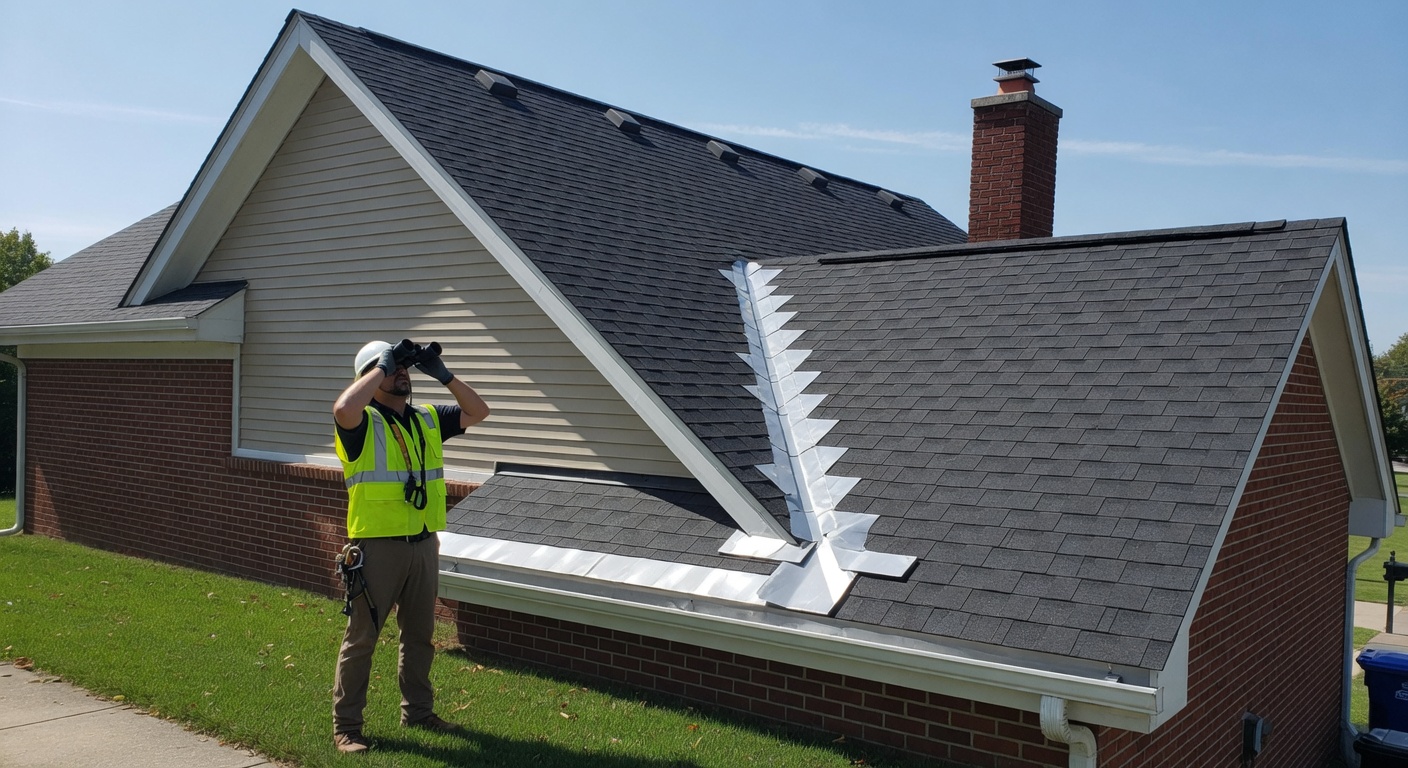
You can safely observe some indicators without climbing onto the roof. Use binoculars for a closer look.
- Check gutters and downspouts. Look for granules or shingle debris after a rain.
- Examine the roofline from across the street. Stand back and look for dips, waves, or missing pieces.
- Inspect the ground around the house. Tar-like spots or shingle fragments suggest wear.
- Note interior conditions. Look for water stains on ceilings or walls, especially after heavy rain.
- Look at flashing and penetrations. From windows or the ground, check for gaps or rust around vents, pipes, chimneys, and skylights.
These checks give you clues, but they can't reveal underlayment or decking condition. Only an inspector who walks the roof can assess hidden issues.
How Triangle climate affects both types of wear
The Triangle's weather patterns play a big role in roof aging. High humidity feeds algae and moss. Frequent thunderstorms bring wind that lifts shingles and hail that dents them. Heavy rain tests every weakness. And tropical remnants can deliver sustained wetting that finds small leaks.
On an older roof original to a 2000s home, these conditions can turn cosmetic wear into functional problems over time. A small crease from wind might not leak today, but after years of expansion and contraction, it could become a weak point. That's why monitoring and periodic inspections are valuable.
When to schedule a professional inspection
A professional inspection is the only way to confirm whether wear is cosmetic or structural. Consider scheduling one if you notice:
- Multiple signs from the structural list above
- Interior water stains or known leaks
- Severe weather like high wind or hail has passed through
- Your roof is approaching or past 15 years old
- You're planning to sell your home or need clarity for insurance purposes
A thorough inspection includes checking shingles, flashing, vents, pipe boots, valleys, ridge caps, interior ceilings, attic ventilation, and overall condition. The inspector will document findings and explain repair options versus replacement timing.
Questions to ask during an inspection
When you talk to a roofing professional about your roof's condition, these questions help you understand what you're seeing:
- Is this issue cosmetic, or does it affect the roof's function?
- How much life do you estimate the roof has left?
- Are there specific repairs needed now, or can they wait?
- What's the likely cost of a repair compared to replacement?
- Can you provide photos or a written report of findings?
Honest answers to these questions help you make an informed decision without pressure.
Bottom line
Not every granule in the gutter or dark streak means your roof is failing. But some signs do point toward a need for repair or replacement. The Triangle climate adds a layer of wear that can accelerate the transition from cosmetic to functional damage on aging roofs. A professional inspection takes the guesswork out and gives you clear information to decide what's next.
If you're unsure about what you're seeing on your roof, contact Morrisville Roofing Company to schedule a roof inspection. We'll document the condition and explain your options in plain language.
More Posts by Morrisville Roofing Company