What to Expect During a Professional Roof Inspection in the Triangle
What to Expect During a Professional Roof Inspection in the Triangle
A professional roof inspection in the Triangle typically takes 45 minutes to 2 hours and covers exterior shingles, flashing, penetrations, valleys, gutters, and attic conditions (when accessible). The inspector provides photo documentation and a written summary of findings to help you make informed decisions about repairs or replacement.
What homeowners can safely check from the ground first
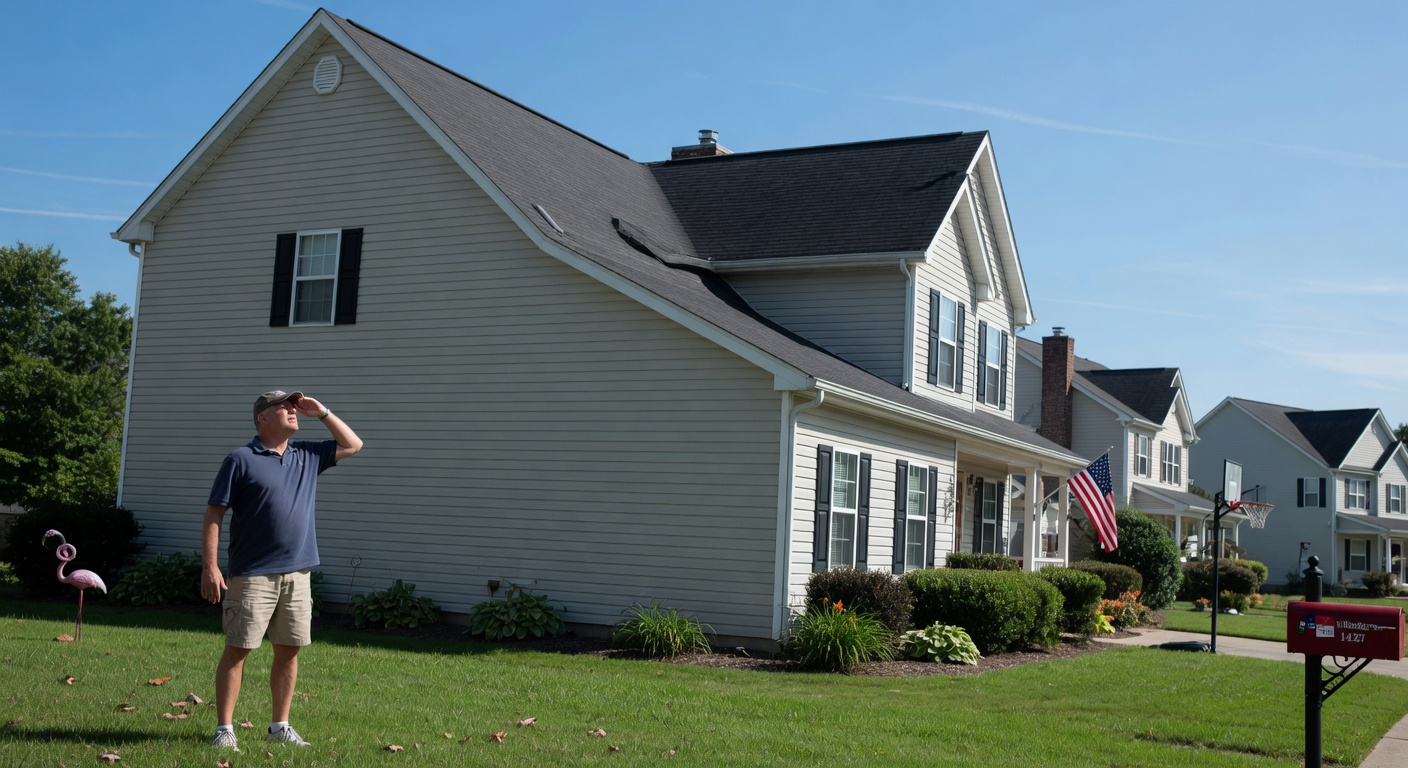
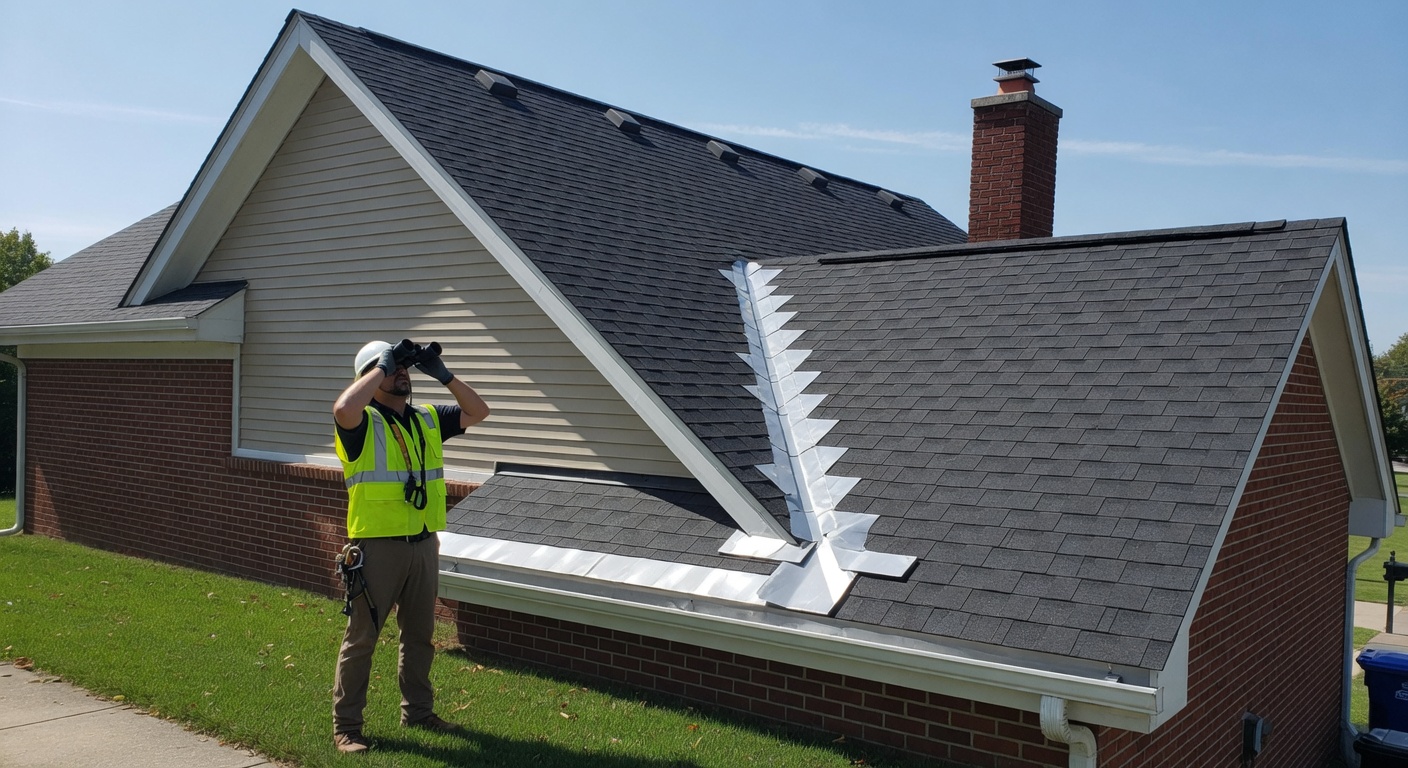
Before calling a professional, you can safely inspect several things from the ground using binoculars. This helps you understand what the inspector may find and prepares you for the discussion.
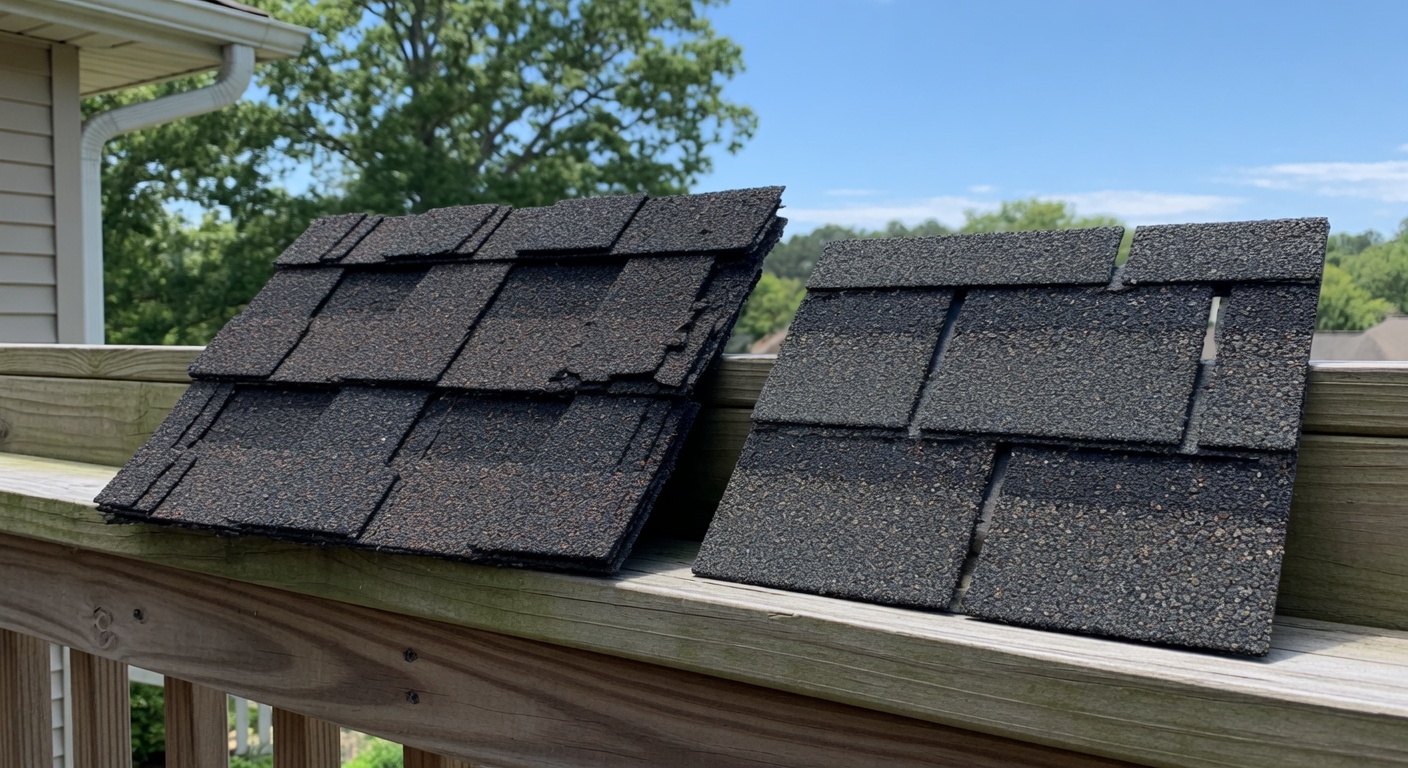
- Missing, curled, cracked, or lifting shingles
- Granule buildup in gutters or downspouts (signs of aging shingles)
- Visible gaps or damage around pipe boots, vents, skylights, or chimneys
- Dark streaks or algae growth on shingles (common in humid climates)
- Obvious sagging or dips in the roofline
- Debris buildup in valleys or gutters
Never climb onto the roof yourself. Steep slopes, loose shingles, and hidden damage can make roof access dangerous. A professional has the training and equipment to safely evaluate the roof.
What a professional roof inspection typically includes
Once on site, the inspector follows a thorough process that covers both the exterior and interior (attic) of your home.
Exterior roof inspection
- Examines all shingles for signs of wear: blistering, curling, cracking, missing, or granule loss
- Checks flashing around chimneys, vents, skylights, and roof-wall intersections
- Inspects pipe boots for cracks or deterioration
- Evaluates valleys and ridge caps for damage or improper installation
- Looks at gutters and downspouts for clogs, sagging, or leaks
- Notes any moss, algae, or debris that may trap moisture
Attic inspection (when accessible)
- Assesses ventilation: checks soffit/eave vents and ridge vents for proper airflow
- Looks for moisture stains, mold, or rot on sheathing and rafters
- Evaluates insulation condition and checks for signs of leaks
- Identifies any light penetration from damaged areas
These attic checks are especially important in the Triangle's humid climate, where poor ventilation can lead to heat buildup that shortens shingle life.
Common findings in Triangle homes
Homes across Morrisville, Cary, Raleigh, and Durham often share similar inspection findings due to the region's weather and housing stock.
- Wind and hail damage. Thunderstorms and occasional hail can lift shingles, cause creasing, or knock off granules. These signs may be subtle from the ground but clear up close.
- Flashing issues. Driven rain can work through aging or poorly sealed flashing, especially around chimneys and skylights.
- Algae streaking. Humid conditions promote algae growth on asphalt shingles, which can be an appearance concern but not necessarily a structural problem.
- Ventilation problems. Many 2000s-era homes may have inadequate attic ventilation, leading to hotter attics and faster shingle aging.
- Granule loss. UV exposure and weather over time cause granules to shed, which is a normal aging sign but can accelerate with severe weather.
No single finding automatically means you need a new roof. The inspector documents each issue and explains whether it is a cosmetic concern, a repairable problem, or part of broader wear that may warrant replacement planning.
How inspection documentation helps with decisions
After the inspection, you should receive a clear report that includes:
- Photographs of key areas and any issues found
- A written summary of the roof's overall condition
- Specific notes on shingles, flashing, penetrations, and attic
- Practical next-step options based on the findings
This documentation gives you evidence to compare with other assessments, discuss with your insurance company if storm damage is suspected, or plan for future roofing work. It also helps you avoid unnecessary sales pressure — you have a clear picture of what needs attention and what can wait.
When to schedule an inspection
There are several situations where a professional roof inspection is especially useful:
- After a severe thunderstorm, hailstorm, or heavy wind event
- If you notice a leak, even a small one
- When your roof is approaching 15 or more years old (common for many Triangle homes built in the 2000s)
- Before purchasing or selling a home
- If you see missing or damaged shingles from the ground
Regular inspections help you catch small issues before they become expensive repairs. They also give you time to plan for a replacement rather than facing an emergency.
If you are unsure whether your roof needs attention, a simple inspection can give you the clarity you need. Learn more about our roof inspection services or contact us to schedule an inspection for your Triangle home.
More Posts by Morrisville Roofing Company