How to prepare for a roof replacement in the Triangle: a homeowner's checklist
How to prepare for a roof replacement in the Triangle: a homeowner's checklist
If your roof is nearing the end of its life or has significant storm damage, a replacement project may be the next step. But the process can feel disruptive – especially for homeowners in the Triangle who may work from home, live in planned communities, or have concerns about noise, dust, and daily life. This guide covers how to prepare from the ground, what to expect during the project, and what questions to ask before work begins.
Quick answer: what Triangle homeowners need to know
You can prepare safely from the ground. Clear vehicles and outdoor items at least 15 feet from the house, mow the lawn short, protect attic belongings from dust and vibrations, and notify neighbors a few days ahead. Check with your HOA or neighborhood association early if roof materials or colors need approval. Discuss access, parking, and daily cleanup with your contractor before the start date. Plan for significant noise and possible weather delays, especially during summer thunderstorm season.
Why preparation matters for Triangle homeowners
Roof replacement involves tear-off of old shingles, nail work, and heavy equipment moving around your property. For many Triangle homeowners who work from home or have young children and pets, the disruption is more than just noise. Vibrations from tearing off the old roof can be felt inside, and dust may settle in the attic. If you live in a townhome or planned community, shared walls or driveways can add coordination challenges. Taking a few steps beforehand can reduce surprises and keep the project running smoothly.
Steps to take before the project starts
Clear the perimeter and driveway
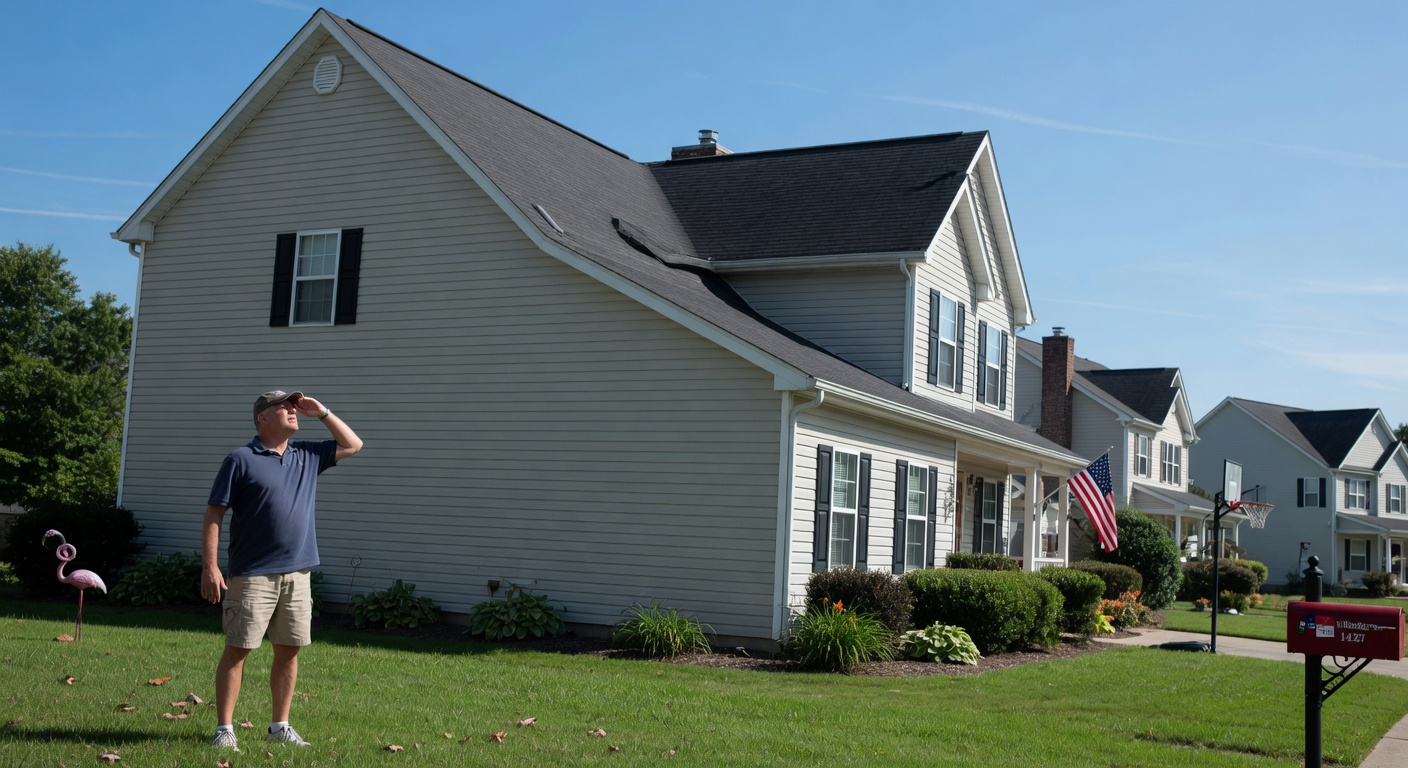
Workers need room to set up ladders, equipment, and a dumpster. Move vehicles, trailers, and boats out of the driveway the night before. Clear a 15-foot buffer around the house: remove patio furniture, grills, potted plants, yard art, and hanging decorations. Take down flags, wind chimes, and anything that could be knocked loose. If you have a garden or shrubs close to the foundation, consider trimming them back for better access.
Mow the lawn
A short lawn makes it easier to spot dropped nails and debris after the job. It also gives the crew a cleaner workspace. Avoid watering the grass during the project to prevent muddy conditions.
Protect your attic and interior
Vibrations from the tear-off can dislodge dust and small items in the attic. Cover stored boxes, holiday decorations, or HVAC equipment with plastic sheeting or tarps. If you have fragile items up there, move them to a safe spot. Inside the living areas, consider moving pictures and breakables off walls near the roof line, especially if you have cathedral ceilings.
Plan for pets and children
Roof replacement is loud and involves strangers around the house. Keep pets indoors or arrange for them to stay elsewhere during work hours. Dogs especially may become anxious from the noise and unfamiliar activity. Children should be kept away from the work area and supervised closely. Discuss a safe route for entering and exiting your home with the crew.
Notify neighbors
Tell neighbors about the project a few days before it starts. They will appreciate knowing about the noise and any temporary parking changes. If your home is close to a neighbor's property, debris or dust might affect them too. A quick heads-up can prevent misunderstandings.
Check HOA or neighborhood guidelines
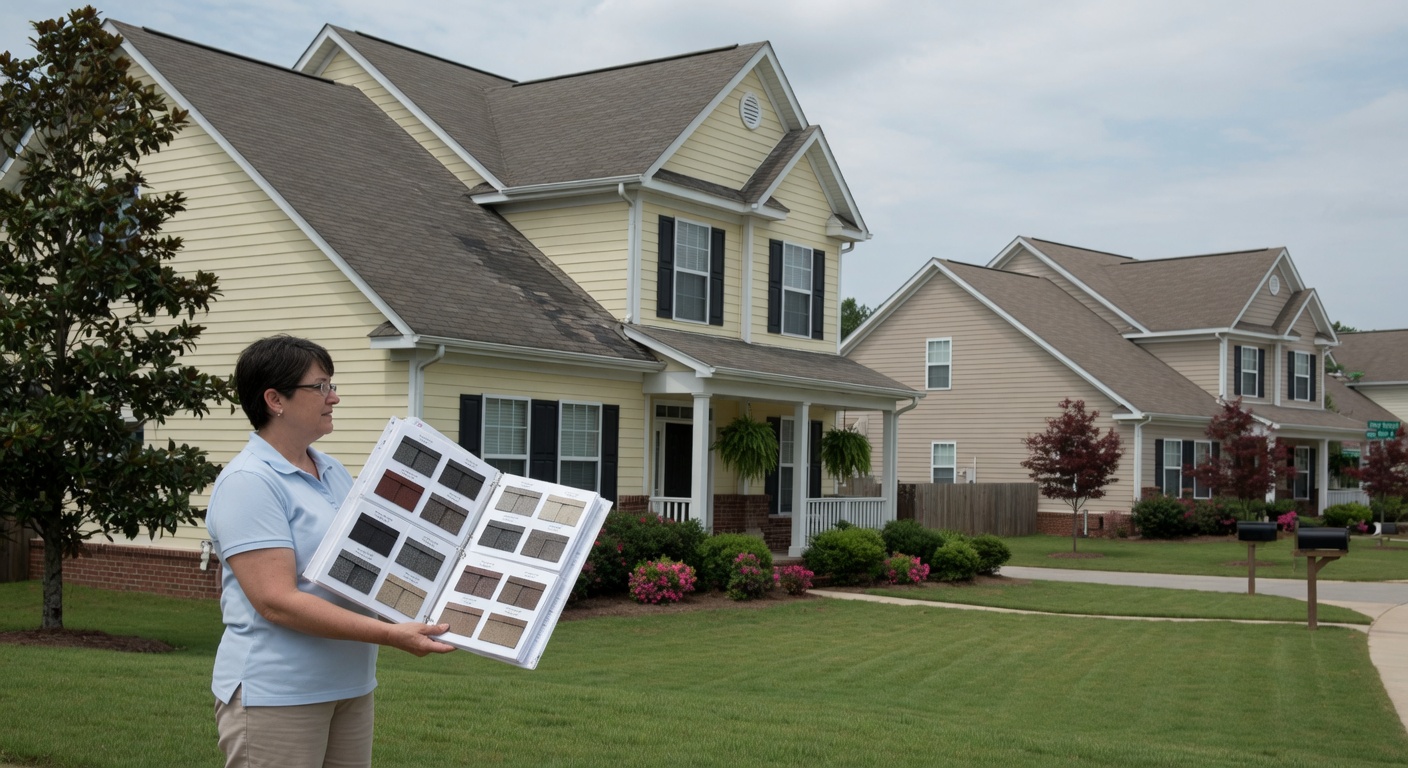
If you live in a planned community or townhome with an HOA, review your covenants for roofing requirements. Many HOAs require an architectural review committee (ARC) to approve material and color changes. If required by your association, submit your contractor's product specs and project timeline as early as possible. Many HOAs require an architectural review; submission timelines vary by community, so check your guidelines early. Note that HOA approval is separate from any municipal permits.
What to discuss with your roofing contractor
Before work begins, talk through these logistics with your contractor:
- Access and parking. Where will the crew park? Will a dumpster be placed in the driveway or street? Do you need a temporary parking permit?
- Daily schedule and cleanup. What time does work start and end? Will the crew clean up debris each day and at the final completion? Ask about magnetic nail sweeps for the yard.
- Property protection. How will they protect landscaping, walkways, and the driveway? Do they use tarps, plywood, or other measures?
- Weather contingency plan. What happens if afternoon thunderstorms interrupt the work? How will they protect the roof deck if it rains overnight?
- Ventilation and attic access. If you have an attic, will the crew need to access it for ventilation work? You may need to clear that path.
Getting these answers early sets clear expectations and helps you prepare your own schedule.
How weather and HOA rules can affect timing
The Triangle's humid subtropical climate means afternoon thunderstorms are common, especially from late spring through early fall. These storms can delay start times or cut the workday short. Spring and fall generally offer milder temperatures and fewer storms, making them popular seasons for roof replacement. Humidity can affect how adhesives and sealants cure, so contractors may need to adjust their methods accordingly. Flexible scheduling on your part can accommodate weather-related shifts.
HOA approval can also push your timeline. If your neighborhood requires ARC review, factor in the review period and any follow-up questions. Your contractor can provide the necessary documentation, but the approval process is your responsibility. Start early.
Protecting your property and daily routine
During the tear-off phase, you will hear loud tearing, hammering, and vibrations that can make it feel like someone is in your ceiling. Work-from-home households may need to plan for a quieter workspace elsewhere or take a day off during the noisiest part. Use headphones if needed. Active work often spans several days depending on home size and conditions, but the full process including weather impacts can take longer. Be prepared for temporary inconvenience but know that careful planning reduces most risks.
If you have a security system or cameras, let your contractor know so they can avoid tripping sensors. Remove any outdoor lighting that might be in the way or temporarily disable motion detectors near the work zone. Confirm that the contractor will disconnect and reconnect satellite dishes or antennas that are mounted to the roof.
When to schedule a professional inspection
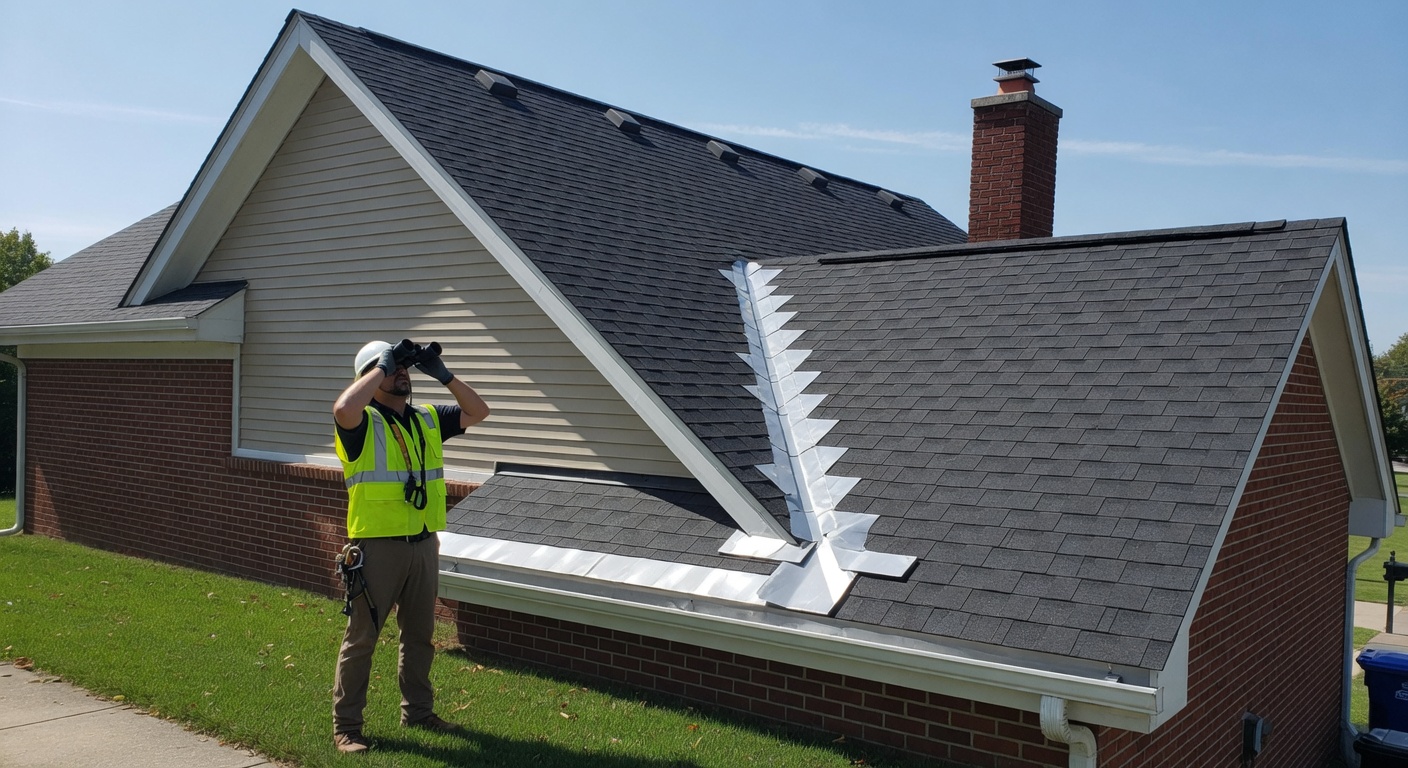
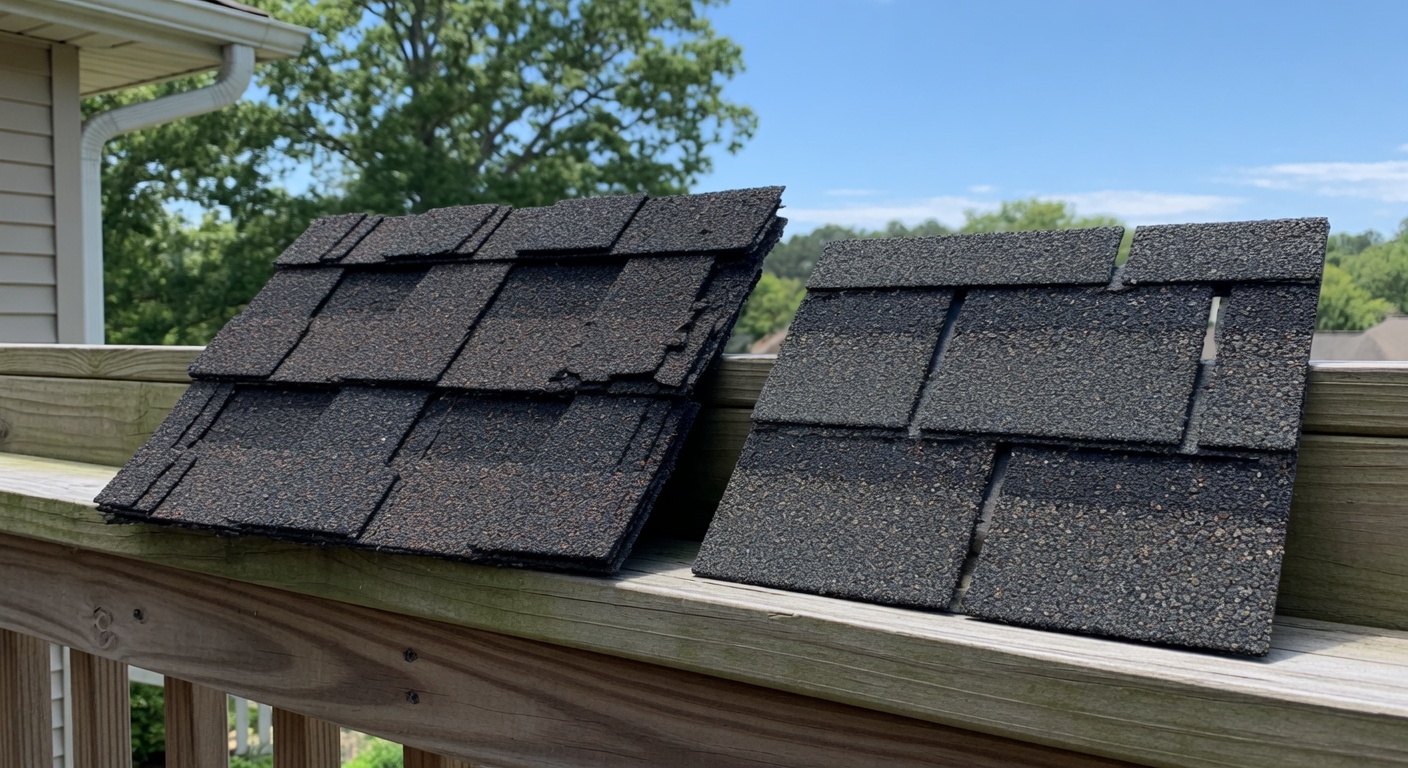
If you're considering roof replacement but haven't yet confirmed the condition of your roof, schedule a professional roof inspection. An inspector can document the current shingle condition, check for underlying deck issues, and give you a clearer picture of whether replacement is needed now or can wait. This is especially useful for Triangle homes built in the 2000s that may be due for a first major evaluation. Once you understand the scope, you can plan your preparation steps with confidence.
For more details on the roof replacement process, visit our service page or contact Morrisville Roofing Company to discuss your project and get answers to your specific questions.
More Posts by Morrisville Roofing Company