What is roof underlayment and why it matters for Triangle homeowners
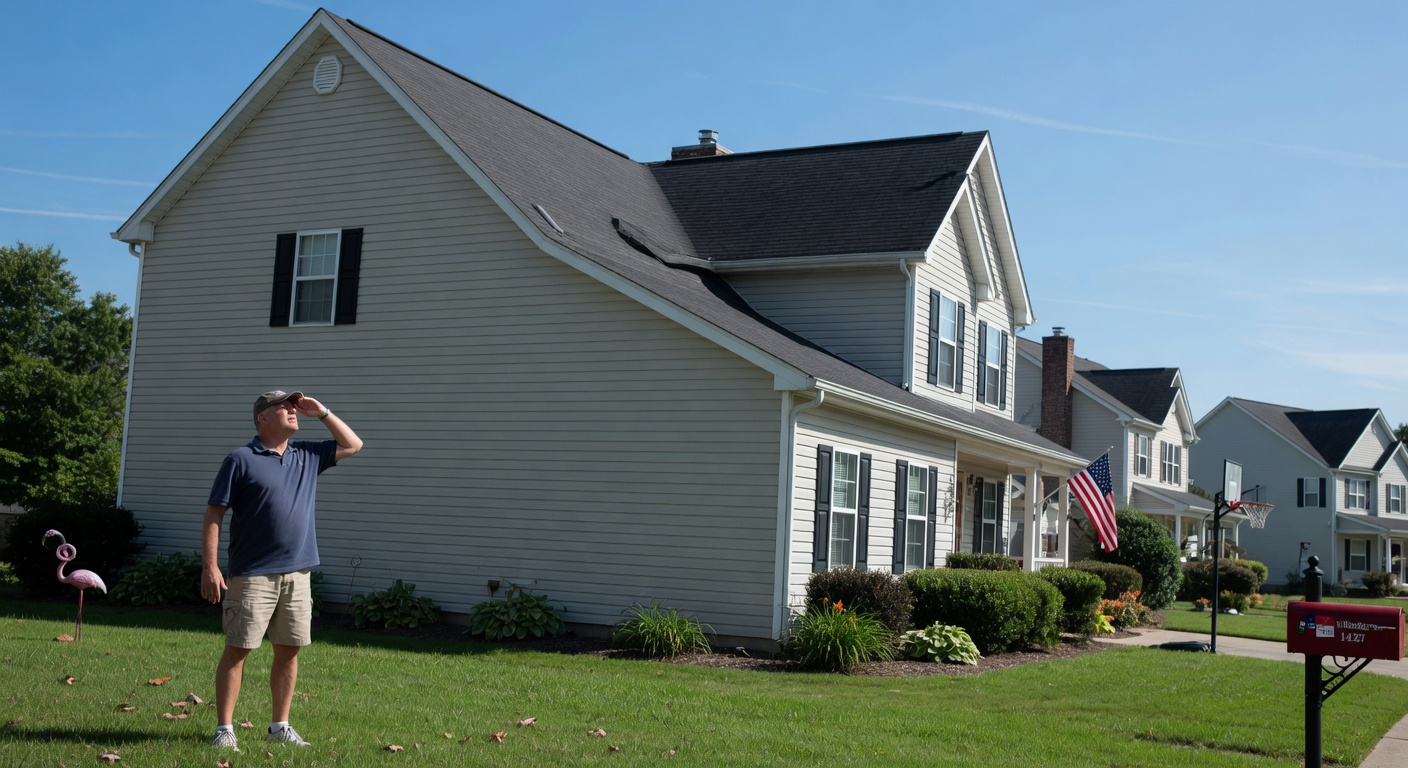
If you've noticed a leak during a heavy storm but your shingles look fine from the ground, the problem might be the roof underlayment. This hidden layer beneath your shingles plays a big role in keeping your roof dry. Understanding roof underlayment and how it works in the Triangle, NC climate can help you make smarter decisions about leaks and roof maintenance.
What is roof underlayment?
Roof underlayment is a secondary water barrier installed directly on the roof deck, underneath the asphalt shingles. Its main job is to provide backup protection against wind-driven rain, snow, and ice that might get past the shingles. It also serves as a temporary shield during installation and helps prevent chemical reactions between shingles and decking. Underlayment is not a substitute for shingles, but it adds an extra layer of defense in the Triangle's storm-prone climate. A professional roof inspection can evaluate its condition.
What roof underlayment actually does
Underlayment may be out of sight, but it performs several critical functions:
- Secondary water barrier: When high winds or heavy rain force water under the edges of shingles, underlayment catches it and directs it away from the roof deck and into the gutter system.
- Temporary protection: During a roof replacement, underlayment keeps the home dry until shingles are installed. This matters in the Triangle, where thunderstorms can roll in unexpectedly.
- Separation layer: It prevents asphalt chemicals and resins in shingles from leaching onto the wood deck, which can affect shingle longevity.
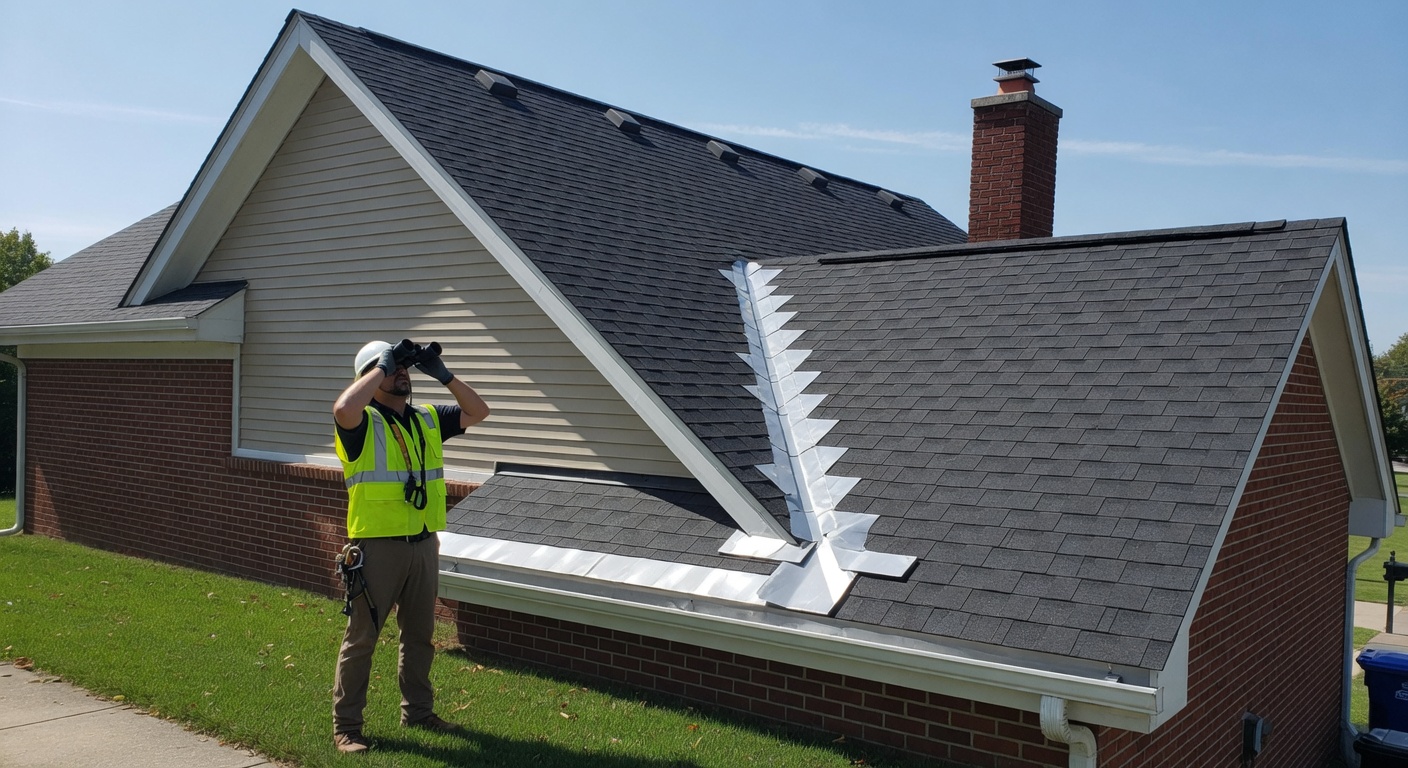
- Additional protection at penetrations: Underlayment works together with flashing, pipe boots, and valleys to seal around obstacles like chimneys, vents, and skylights.
Without underlayment, even a minor shingle gap or lifted edge can let water reach the decking, leading to rot, mold, and interior leaks over time.
How Triangle climate stresses underlayment
The Triangle's weather pattern of frequent thunderstorms, high humidity, and wind-driven rain puts extra stress on roof components, including underlayment. Here's how:
- Wind-driven rain: Storms with winds above 40 mph can force water under shingles. Underlayment acts as a backup when this happens. Storm damage is often the first time homeowners learn about underlayment issues.
- Humidity: Extended exposure to moisture can cause felt underlayment to wrinkle or degrade, especially if it was exposed during installation delays common in rainy seasons.
- Heavy rain events: During tropical remnants or stalled fronts, sustained rainfall tests every part of the roof system. Underlayment provides essential redundancy at vulnerable points like valleys and roof-wall intersections.
Many newer Triangle homes use synthetic underlayment, which resists moisture better than traditional felt. But regardless of type, all underlayment eventually ages and may need replacement along with the roof.
Common underlayment materials in local homes
Two main types of underlayment are used in residential roofing:
Asphalt-saturated felt (No. 15 or No. 30)
This is the traditional option. No. 15 felt is lighter, while No. 30 is thicker and more durable. Felt is breathable but can absorb moisture, wrinkle, and tear more easily than synthetic alternatives. It has been used for decades and is still common on many existing roofs.
Synthetic underlayment (polypropylene or polyester)
Synthetic materials offer better water resistance, tear strength, and UV stability during installation. They are lighter and more slip-resistant. Many newer Triangle homes use synthetic because it holds up better in humid conditions and during multi-day tear-offs when the deck is exposed.
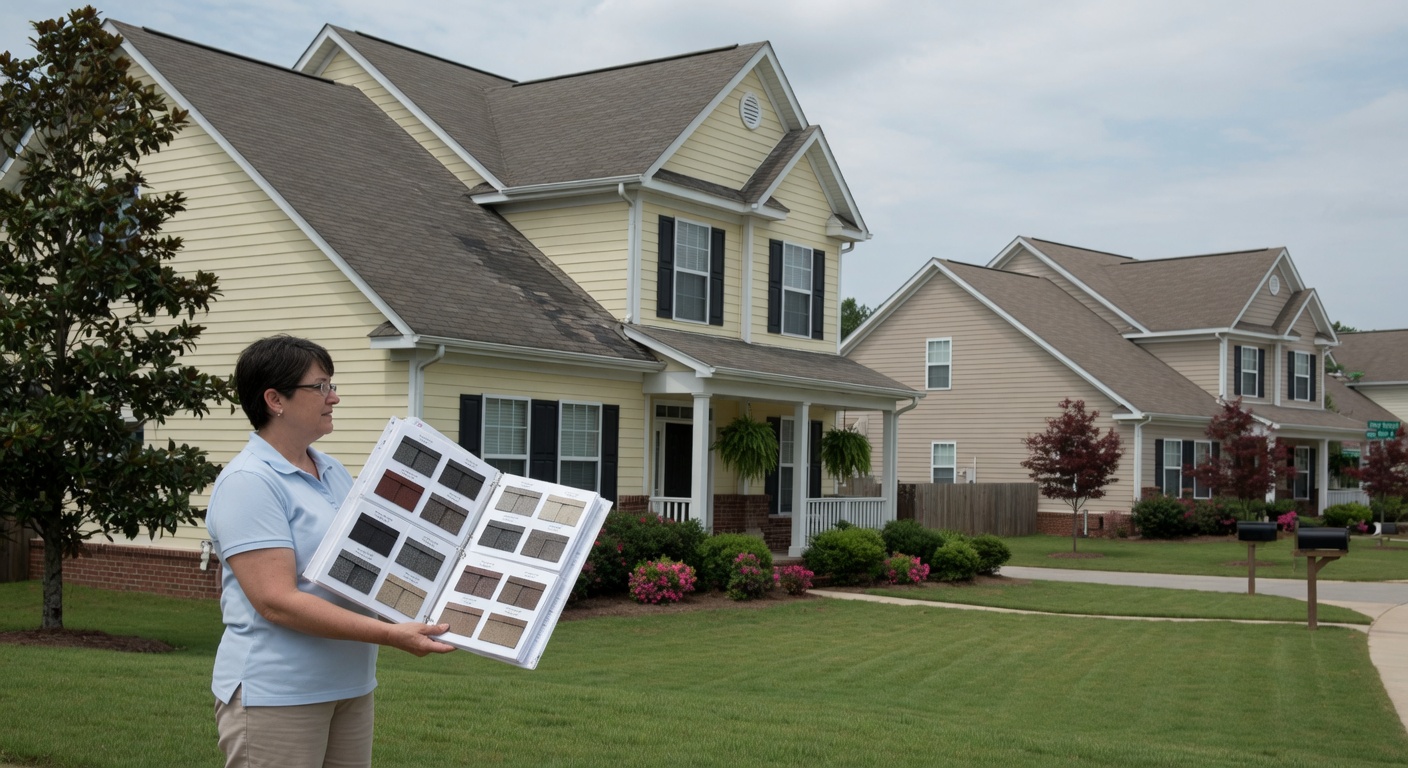
The type of underlayment on your roof depends on when it was built, the original contractor's choices, and any replacement work done. Neither type guarantees a leak-free roof, but proper installation and maintenance matter more than the material choice alone.
Signs from the ground that underlayment may be an issue
Because underlayment sits beneath the shingles, you cannot see it directly. However, certain clues from the ground can suggest problems:
- Repeated leaks at a single spot: If water consistently appears at a valley, flashing joint, or pipe boot during heavy rain, the underlayment may have failed at that location.
- Water stains on interior ceilings or walls: Brown or yellow stains often indicate a slow leak that originates from underlayment failure rather than a shingle problem.
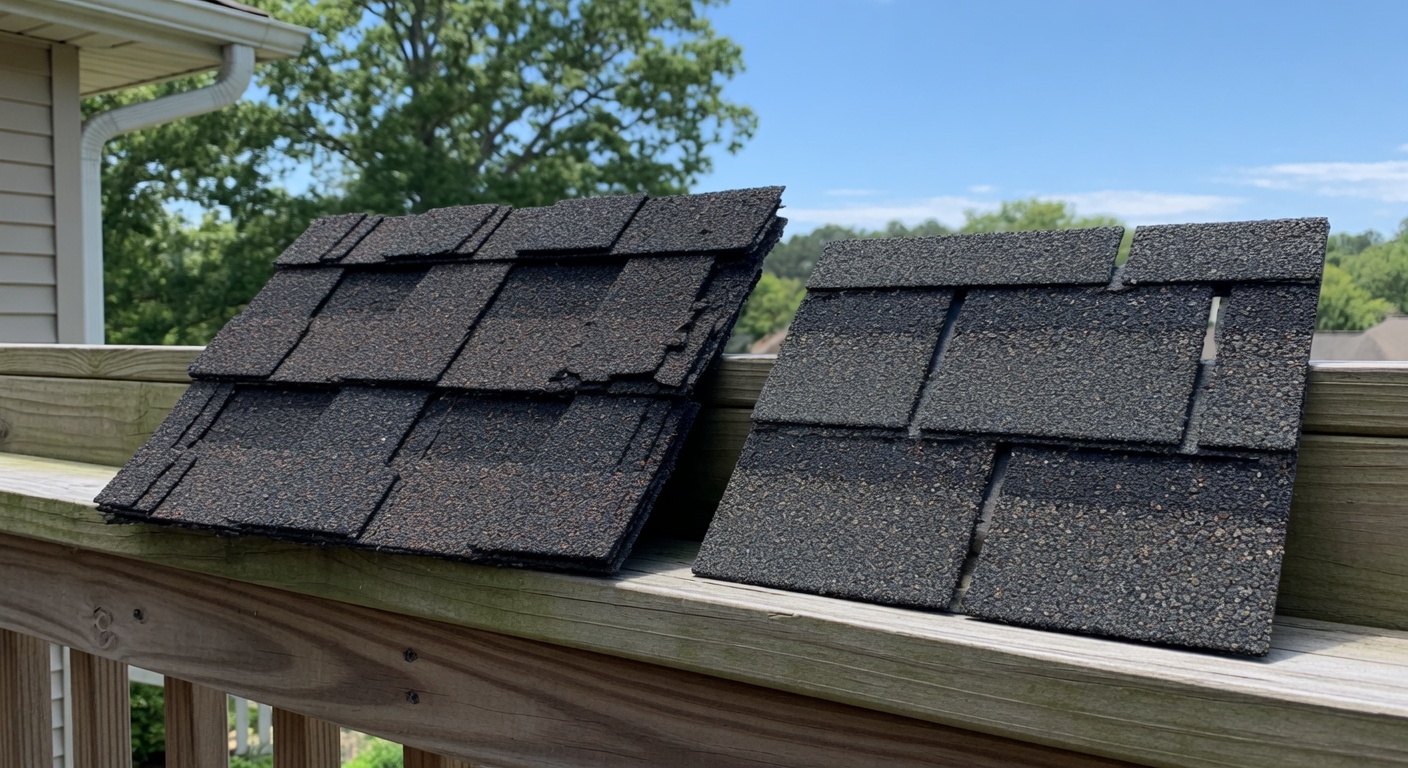
- Buckling or wrinkles in shingles: Occasionally, shifting underlayment can cause visible distortion in the shingle surface.
- Age of the roof: If your roof is more than 20 years old, the underlayment may be reaching the end of its service life, even if shingles still look decent.
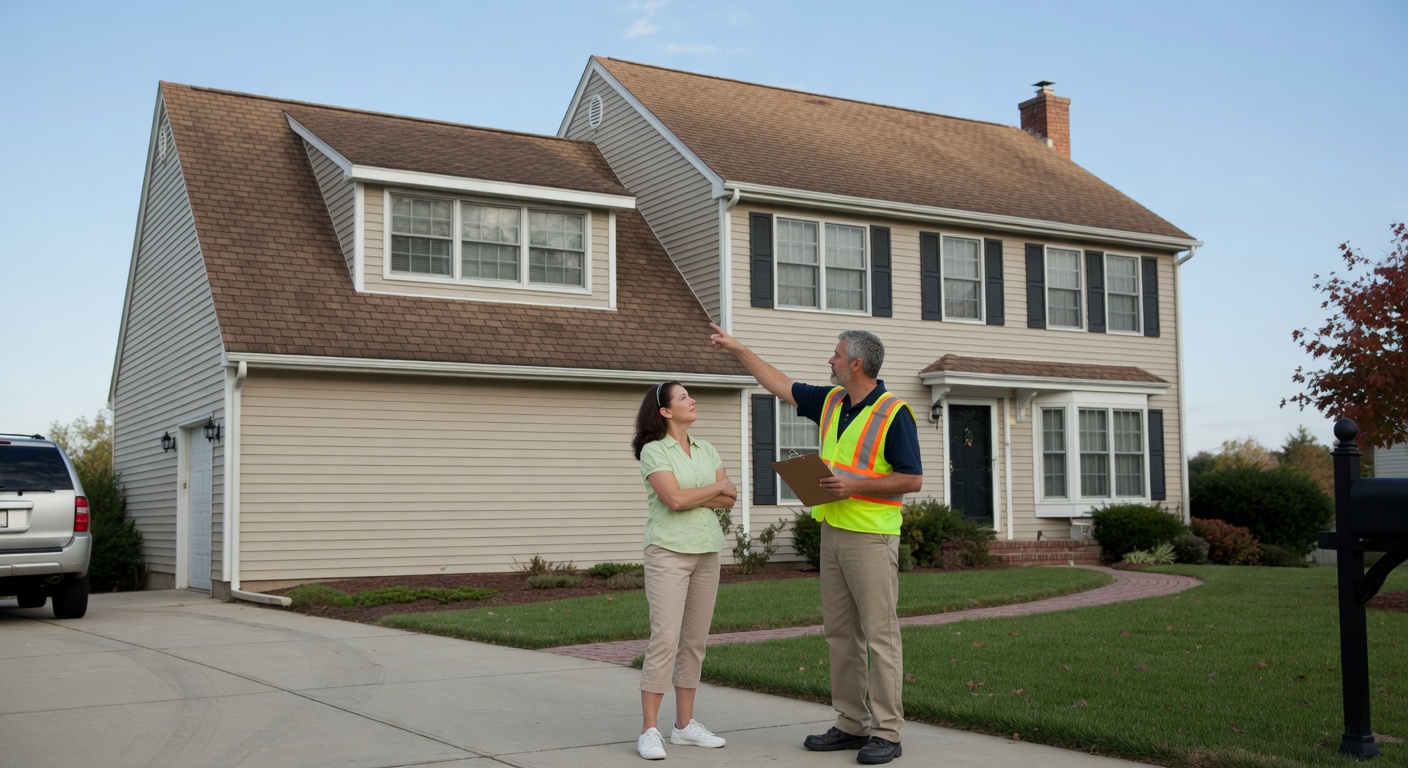
None of these signs confirm an underlayment issue on their own. A professional inspection with attic access and visual assessment is the only reliable way to evaluate underlayment condition.
When underlayment problems warrant a professional inspection
Underlayment is not designed to be the primary water-shedding layer. If you suspect a problem, a roofing contractor can check several things during an inspection:
- Look for moisture or staining on the underside of the roof deck in the attic.
- Assess the condition of underlayment at roof penetrations and valleys.
- Check for tears, gaps, or degradation in exposed areas if any shingles are lifted.
Some underlayment issues can be repaired locally, such as patching a torn section around a pipe boot or replacing a small section of decking. In other cases, especially when the roof is old or the underlayment has widespread failure, a full replacement may be more practical. Roof repair or replacement decisions depend on the extent of damage, roof age, and overall condition.
Next steps for Triangle homeowners
Underlayment is one of those components that quietly does its job until something goes wrong. If you are dealing with leaks, planning a roof replacement, or just want peace of mind, having a professional check the underlayment as part of a full roof inspection is a smart move. At Morrisville Roofing Company, we help homeowners understand what is happening above and below the surface. Contact us to schedule a roof inspection and get clear answers about your roof's condition.
More Posts by Morrisville Roofing Company