How to Extend the Life of Your Asphalt Shingle Roof in the Triangle
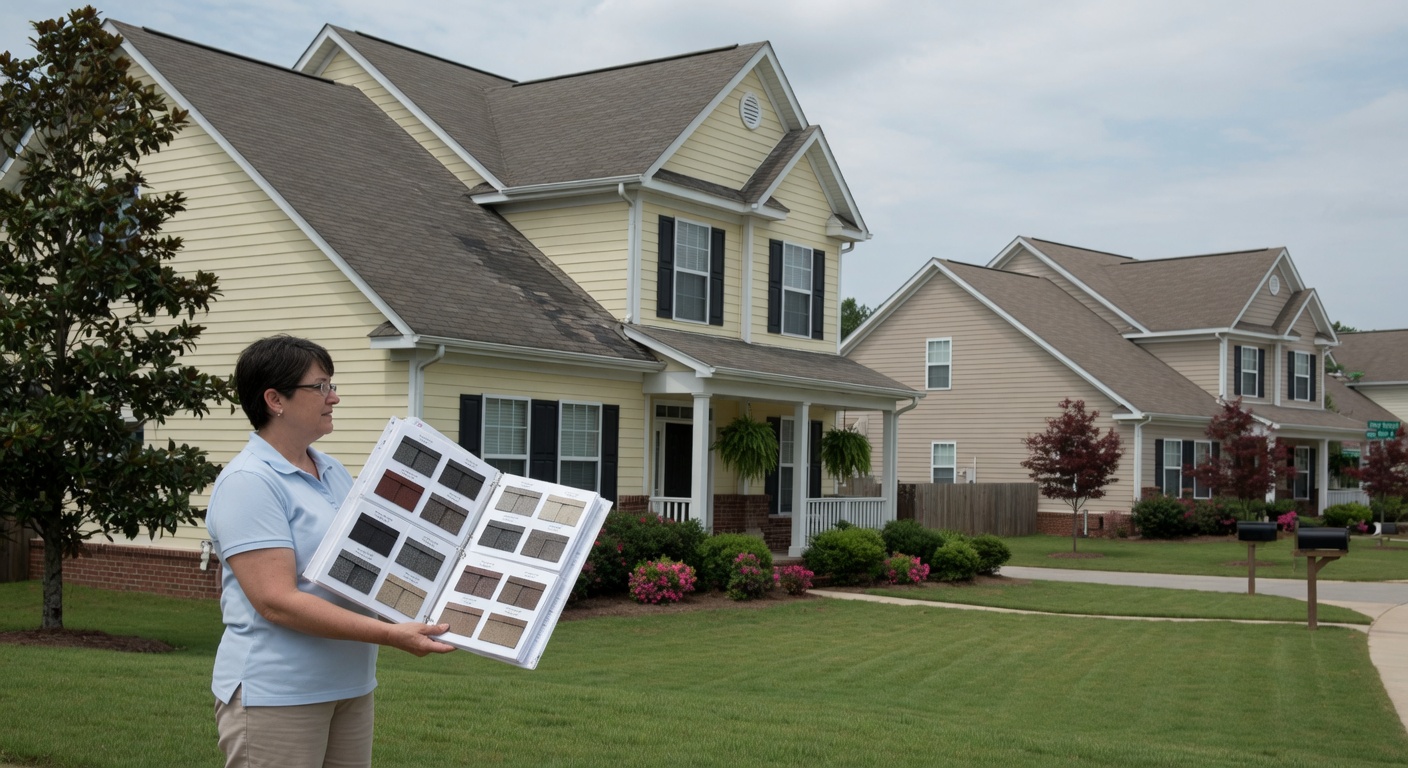
If you're a Triangle homeowner with an asphalt shingle roof, you may be wondering what steps you can take to help it last as long as possible. While many factors affecting roof lifespan are beyond your control—like weather, installation quality, and roof age—there are several safe, ground-level actions you can take to support your roof's longevity. This article explains what you can do from the ground and when it's time to call a professional.
Quick answer: Focus on three key areas—controlling debris buildup, monitoring shingle condition from the ground using binoculars, and maintaining good attic ventilation. These steps can reduce moisture and heat stress on your shingles but do not replace professional inspections for damage assessment.
Factors that influence asphalt shingle lifespan in the Triangle
The Triangle's climate—hot, humid summers, frequent thunderstorms with wind-driven rain, and tree debris from mature neighborhoods—can accelerate shingle aging. Asphalt shingles in North Carolina are typically rated for 15 to 30 years, but actual lifespan depends on material quality, installation, ventilation, and maintenance. Poor attic ventilation can cause heat and moisture buildup, making shingles brittle and prone to curling or granule loss. Debris like leaves and pine needles, common in planned communities such as Park West or Carpenter Village, traps moisture against shingles and in gutters, promoting wear. Recognizing these local factors helps you take the right actions to protect your investment.
Safe steps to reduce debris buildup
Leaves, pine needles, and branches can accumulate in roof valleys and gutters, especially after thunderstorms or high winds common in the Triangle. This debris holds moisture against roof surfaces, potentially accelerating shingle deterioration and causing gutter backups during heavy rain.
You can safely manage debris without climbing onto the roof:
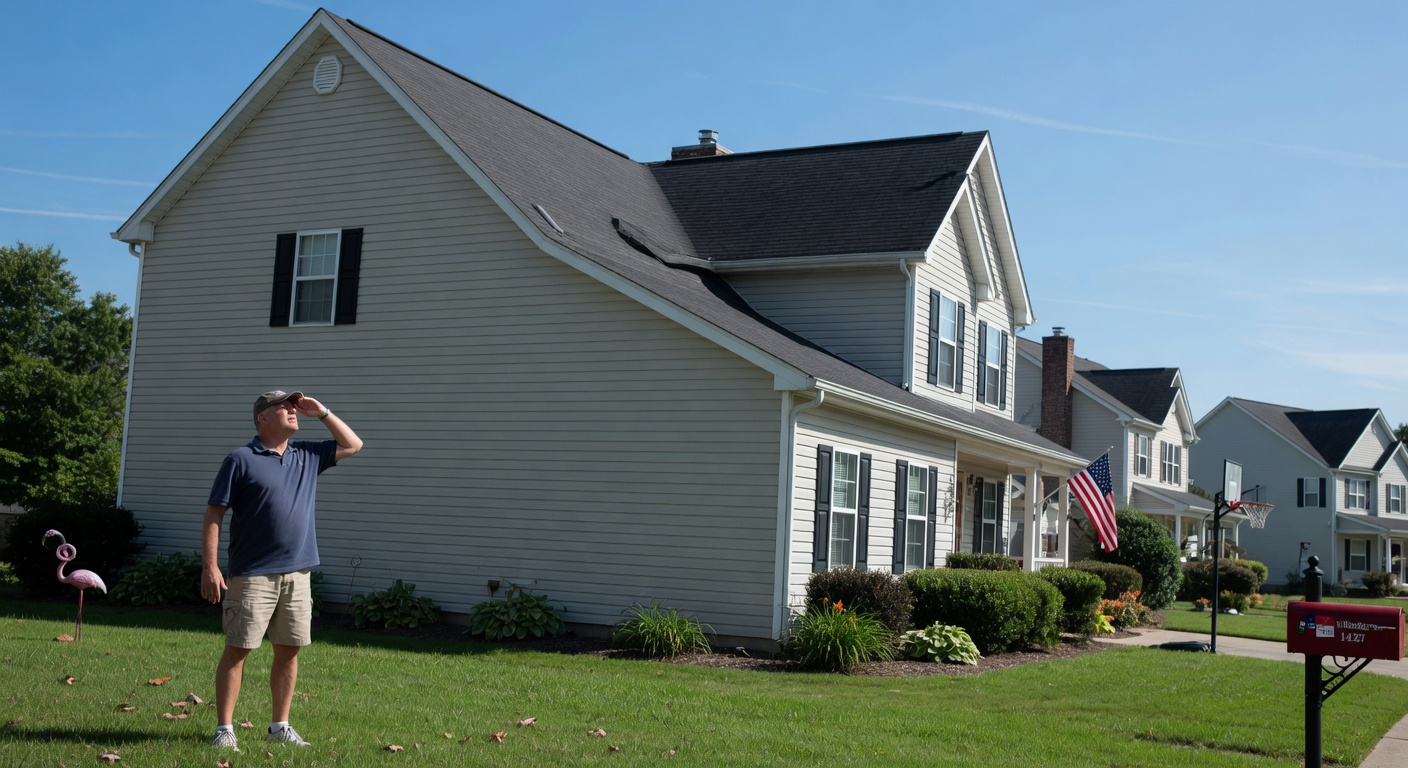
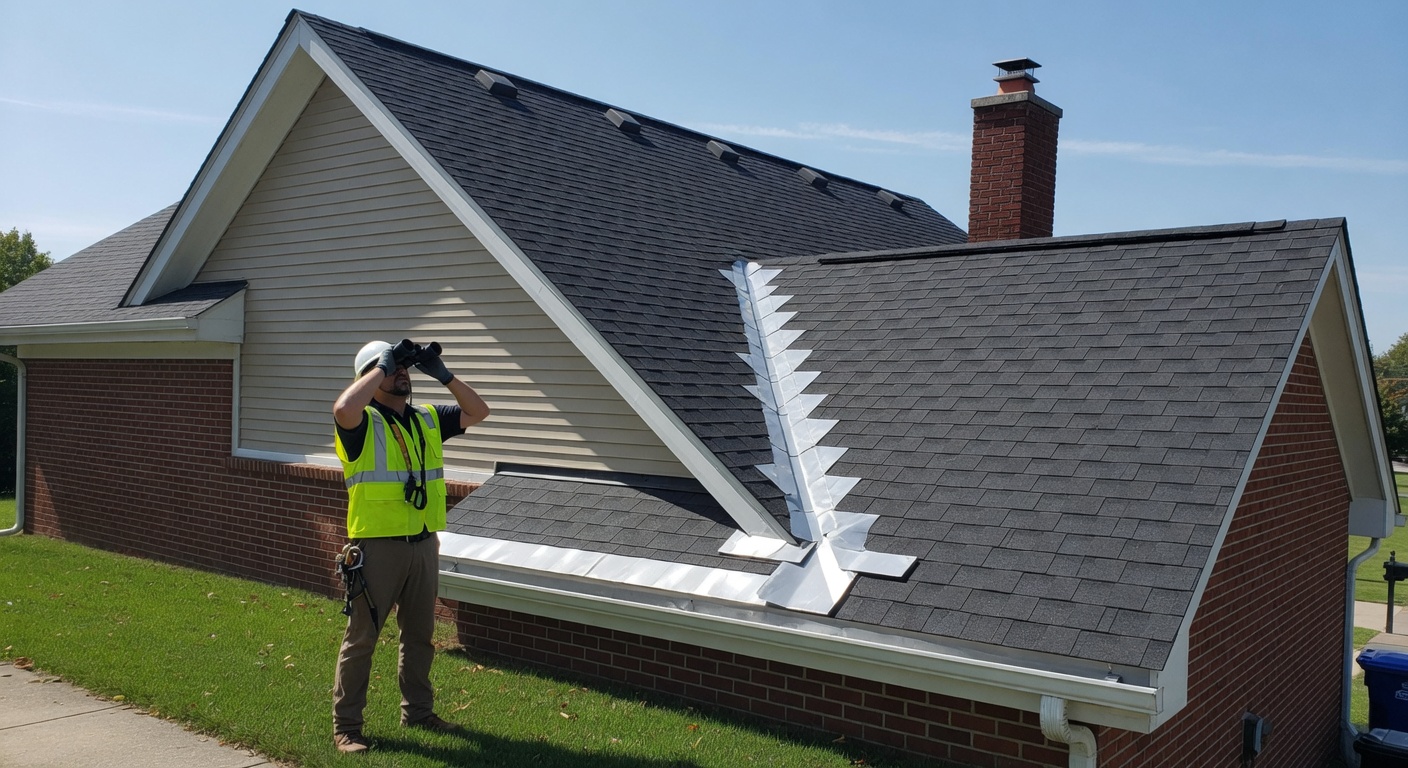
- Use binoculars to check for leaf and pine needle buildup in valleys, around chimneys, and in gutters.
- Clear gutters and downspouts of debris at least twice a year—spring and fall—and after major storms. Use a garden hose from the ground to flush out debris, or hire a professional for homes with two stories or steep access.
- Trim overhanging tree branches to reduce future debris falling onto the roof. This also improves airflow and reduces shade that encourages algae growth.
- From the ground, use a leaf blower or garden hose (low pressure) to dislodge loose debris from roof valleys and edges. Never use a pressure washer, which can damage shingles.
These steps reduce moisture trapping and help water flow freely off the roof, but they do not fix existing damage or guarantee longer life.
Monitoring for early wear signs from the ground
Regular visual checks from ground level with binoculars can help you spot issues early:
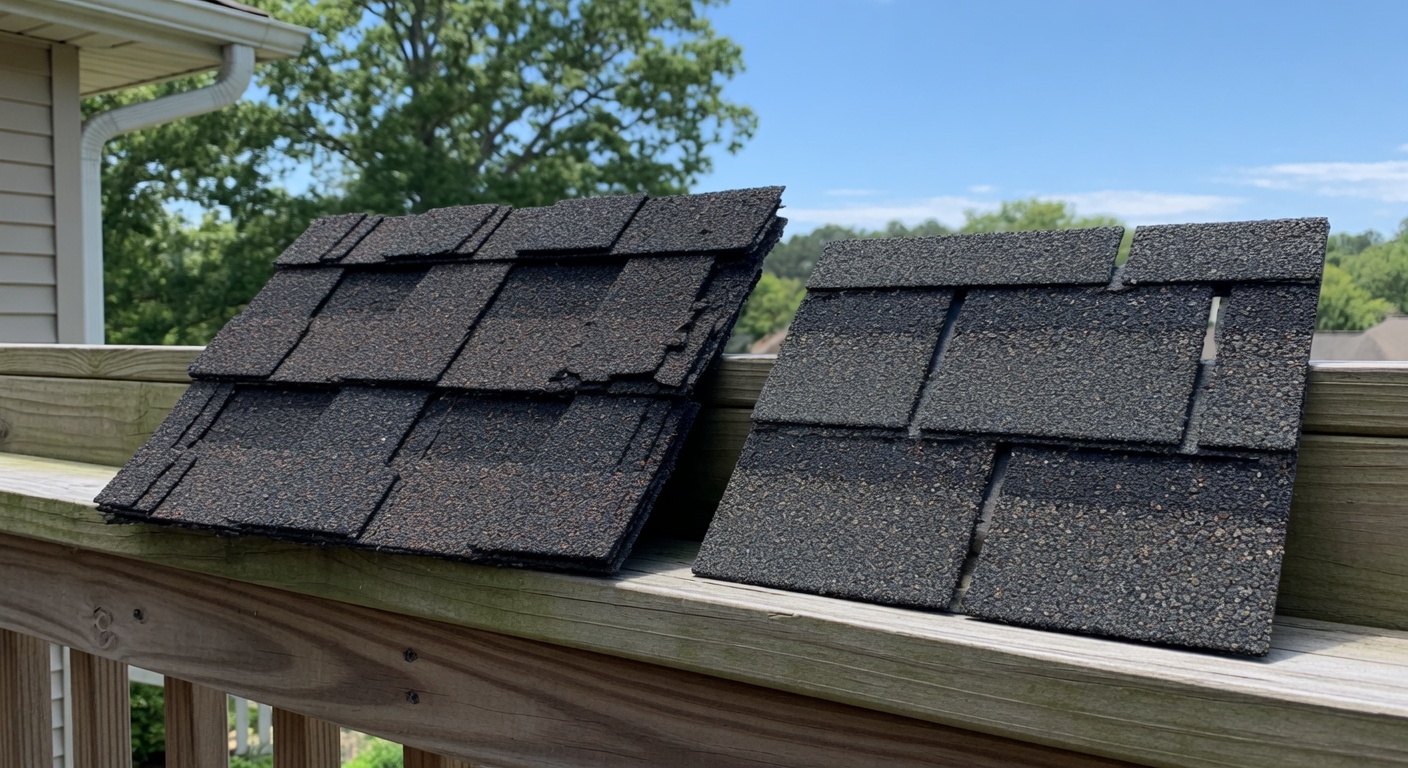
- Missing or curled shingles: Look for gaps, lifted edges, or shingles that appear to curl upward.
- Granule loss: Check gutters and downspouts for excess granules. Some loss is normal over time, but large amounts may signal advanced wear.
- Dark streaks: These are likely algae growth, common in humid climates. Algae is mostly a cosmetic concern and does not automatically mean roof failure, though it can be a sign of moisture retention.
- Flashing damage: Inspect around chimneys, vents, and roof edges for visible cracking or separation.
Perform these checks at least twice a year and after any severe weather—hail, high winds, or heavy rain. Document what you see with photos for your records. If you notice concerning changes, it's time to bring in a professional for a closer look.
The role of attic ventilation in extending roof life
Proper attic ventilation is one of the most important factors in shingle longevity. In the Triangle's hot summers, an unventilated attic can exceed 130 degrees Fahrenheit, cooking shingles from underneath and accelerating brittleness and granule loss. Balanced attic ventilation—intake at the eaves or soffits and exhaust at the ridge—keeps attic temperatures closer to outdoor levels, reducing heat stress on shingles and controlling moisture.
From the ground, you can:
- Check that soffit vents (under eaves) are not blocked by insulation, debris, or paint. Use binoculars if needed.
- Confirm that ridge vents are present and clear of debris or nesting animals.
- Notice if your attic feels noticeably hotter than the outside air in summer—this may signal inadequate ventilation.
Keep in mind that you cannot fully assess ventilation effectiveness from the ground. If you suspect problems, a professional inspection can measure net free area and identify imbalances. Avoid blocking roof vents for any reason.
When these steps are not enough and professional inspection is the next move
Homeowner maintenance has limits. If you notice any of the following, it's time to schedule a professional roof inspection in the Triangle:
- Active leaks inside the home or signs of water damage in the attic.
- Storm damage such as hail impacts, wind-lifted or missing shingles, or fallen branches.
- Extensive shingle curling, blistering, or granule loss that leaves bare areas.
- Your roof is over 20 years old and showing visible wear.
- Repeated repairs are needed for the same problem.
A qualified inspector can assess the entire roof system—shingles, underlayment, flashing, decking, and ventilation—and provide unbiased advice on whether repair or replacement makes sense for your situation. They can also document condition for insurance purposes if storm damage is suspected. For more on storm-related concerns, see our storm damage roof inspection page.
By taking these ground-level maintenance steps, Triangle homeowners can support the health of their asphalt shingle roof and catch problems early. But when questions remain or damage is found, don't hesitate to bring in a professional who knows the local climate and roofing challenges.
Ready for a professional roof inspection? Contact Morrisville Roofing Company to schedule an assessment tailored to your home's needs and the Triangle's unique conditions.
More Posts by Morrisville Roofing Company