How to Document Roof Issues from the Ground: A Triangle Homeowner's Guide
Before you call a professional, you can safely document visible roof issues from the ground. This guide walks you through how to prepare useful documentation for a roof inspection, tailored to Triangle homeowners. The goal is to help you prepare for a professional roof inspection, not to replace one.
Safe ground-level observations that matter
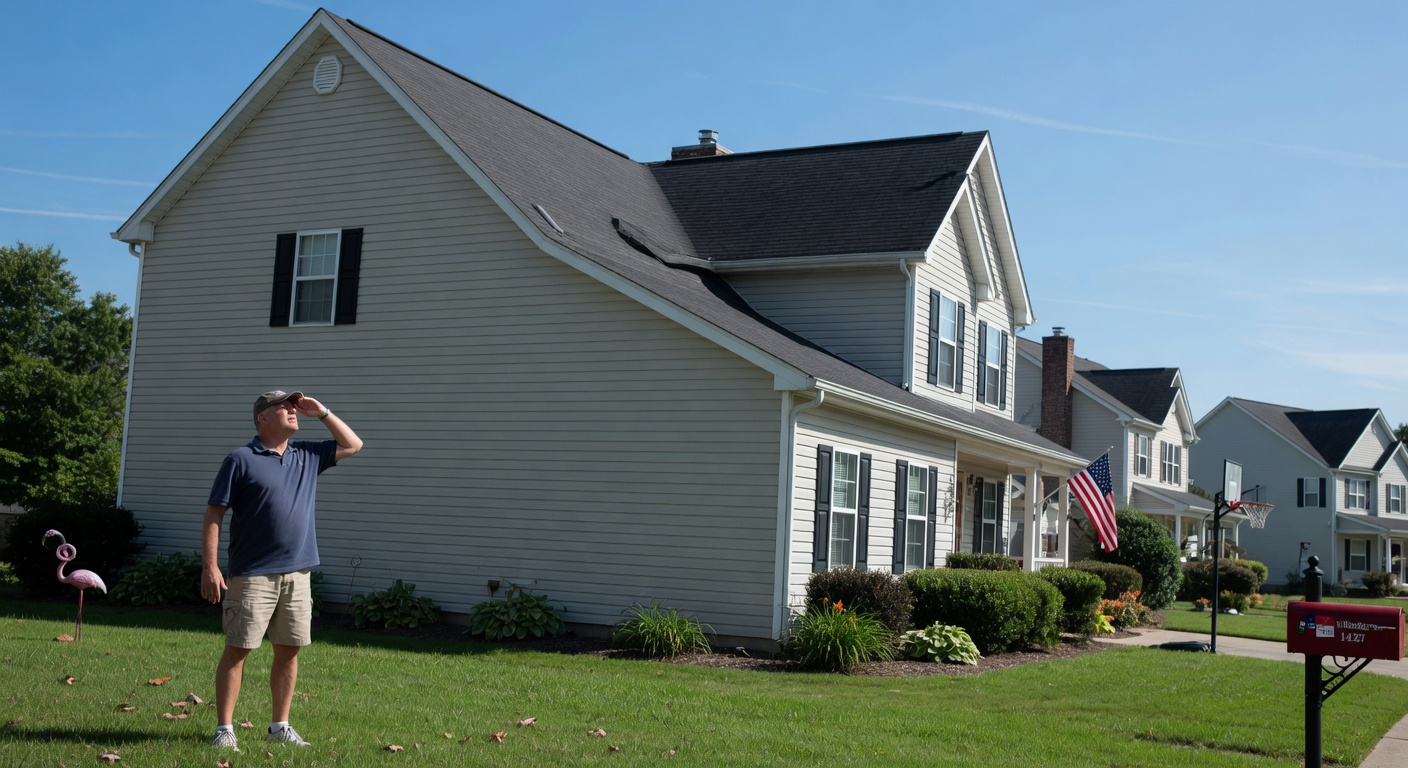
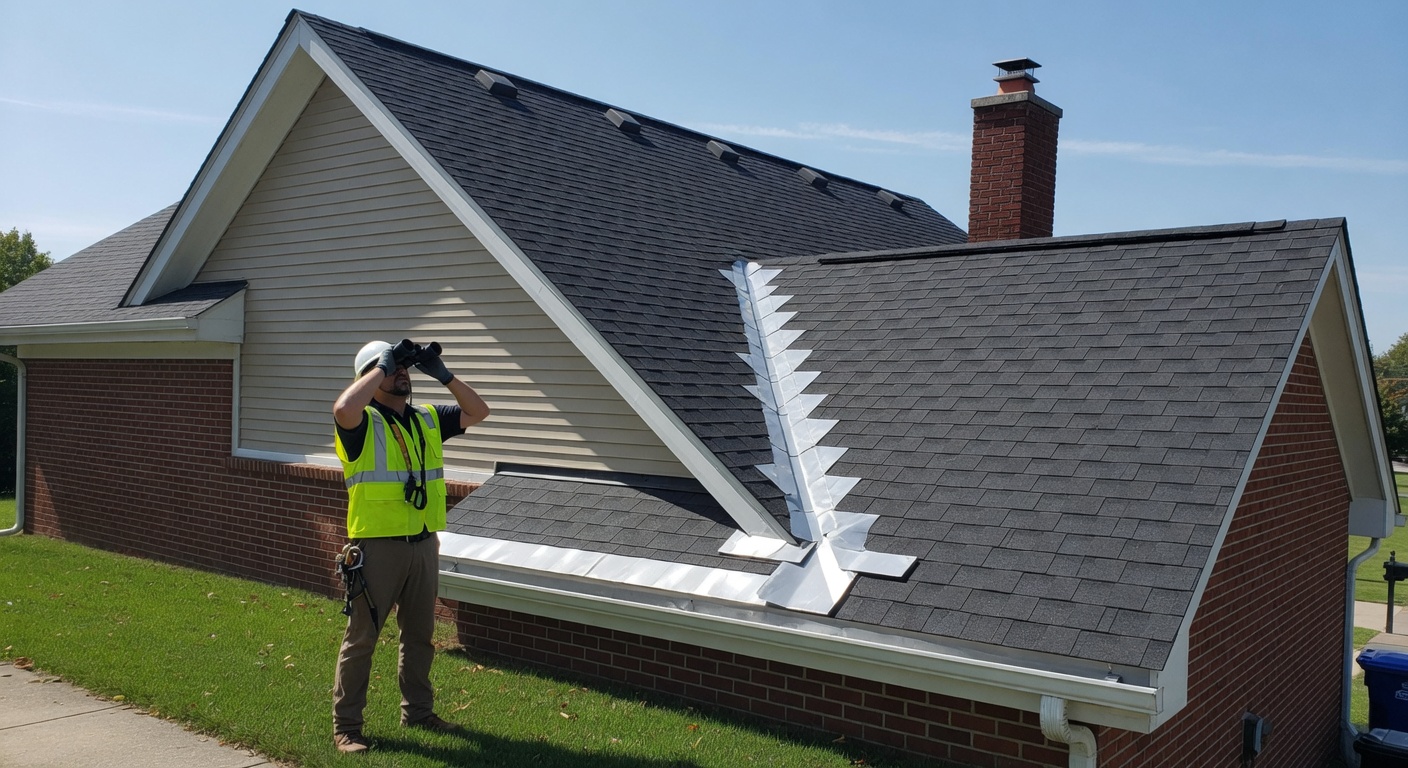
Your safety comes first. Never climb onto your roof to inspect or document damage. You do not need to get on a ladder or walk on shingles. All the useful initial observations can be made from the ground with your eyes, a pair of binoculars, and a smartphone or camera.
Here are the key things to look for from a safe distance:
- Missing or displaced shingles – Check for bare spots or shingles that look lifted or out of place.
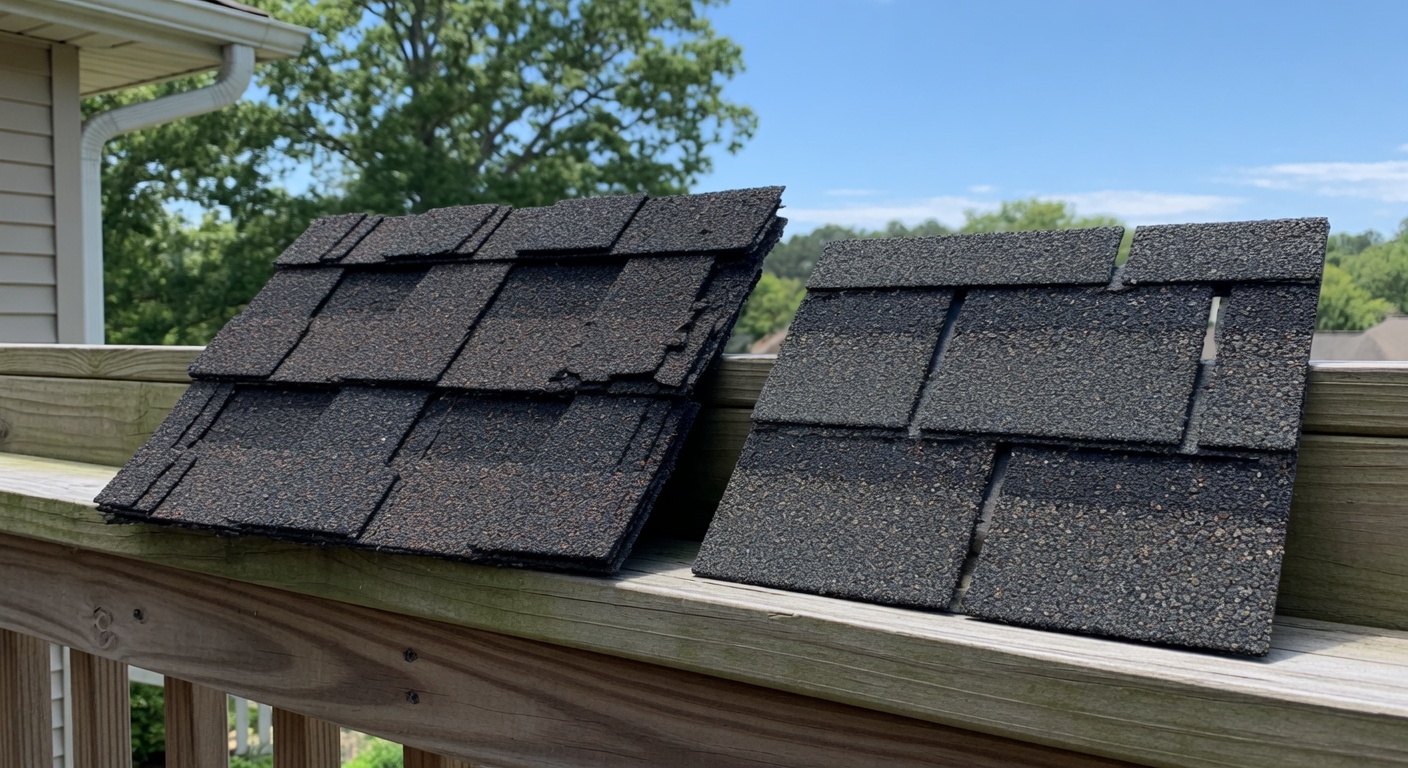
- Curled or cracked shingles – Edges that are turning up or visible cracks can indicate aging or wind damage.
- Granule loss – Look for bald patches on asphalt shingles or granules collecting in gutters and downspouts.
- Dents or dimples on metal components – Check flashing around chimneys, skylights, and vents, as well as pipe boots and ridge caps for impact marks.
- Debris in valleys and gutters – Leaves, branches, or loose granules can trap moisture and indicate wear above.
- Visible water stains – If you can see discoloration on interior ceilings or exterior walls near the roofline, note the location.
Binoculars help you see details without getting close. Focus on one section of the roof at a time and make notes of what you observe.
What to photograph and note
Pictures and written notes give you something concrete to share with a roofing professional. They help describe what you have seen and can make the conversation more productive.
Photo checklist
- Wide shots – Stand far enough back to capture the entire roof slope in one frame. Do this from at least two different angles (front, sides, back).
- Close-ups – Use your phone’s zoom or a camera with optical zoom to get a clear view of specific issues. Include a familiar object for scale, like a yardstick or a soda can, if visible from the ground.
- Gutters and downspouts – Photograph any debris or granules inside gutters, especially after a storm.
- Penetrations – Get shots of chimneys, skylights, vents, and pipe boots from the ground. Zoom in on any flashing that might look damaged.
Notes to take
- Date and time of your observations.
- Recent weather – Note any storms, heavy rain, high winds, or hail in the past few weeks. Include approximate dates and severity.
- Location on the roof – Describe where the issue appears (e.g., front left slope, near the chimney, south-facing side).
- Description of the problem – Use your own words: “Three shingles look lifted near the ridge,” or “There is a dark stain on the flashing around the skylight.”
These notes do not need to be perfect. The goal is to provide a starting point for a professional inspection.
How to describe the issue clearly
When you call or email a roofing contractor, a clear description helps them understand what to expect and how to prepare. Here is a simple format you can use:
- What you see: “I noticed a few shingles are missing on the north side of my roof after last week’s storm.”
- Where it is: “It is on the second story, roughly above the garage.”
- When you noticed: “I saw it two days ago when I was checking the gutters.”
- Any other observations: “I also found some granules in the downspout and what looks like a small dent on the vent pipe.”
If you have photos, mention that you can send them. Many contractors can get a preliminary sense of the situation from good pictures.
Common Triangle roof factors to mention
The Triangle region has specific weather patterns and housing characteristics that can affect your roof. When documenting issues, consider these local factors:
- Thunderstorms and wind: Wake County experiences severe thunderstorms with winds over 58 mph. Look for lifted shingles or displaced flashing after such events.
- Hail: Hail the size of a quarter or larger can leave visible dents on soft metal (flashing, vents, ridge caps).
- Heavy rain: Prolonged rain from tropical remnants can reveal leaks around penetrations and valleys.
- Housing age: Many Triangle homes were built in the 2000s. If your roof is still original, granule loss, curling, or edge wear may be signs it is nearing its service life.
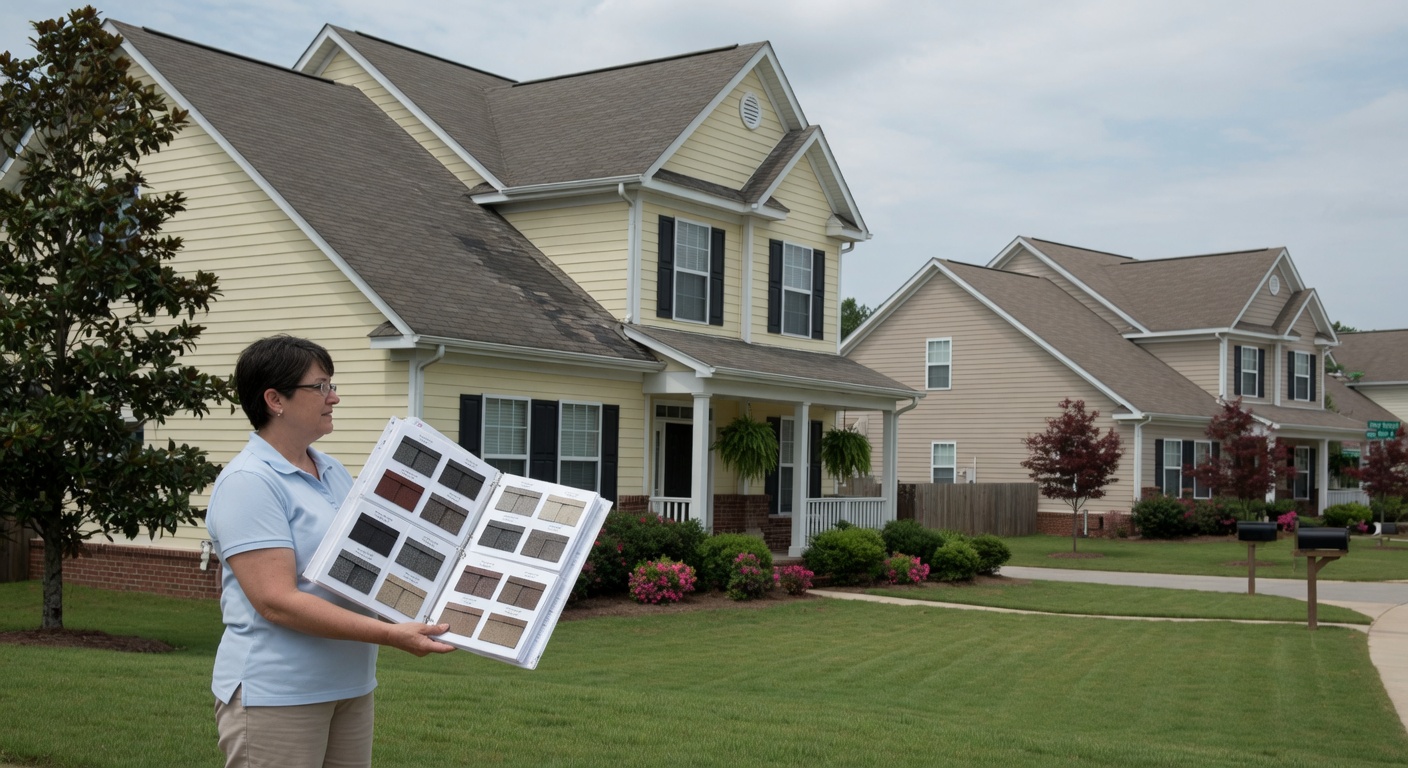
- Planned communities and HOAs: Some neighborhoods have rules about roof color and materials. Documentation can help if you need to submit a request for approval before replacement.
Mentioning these during your initial conversation helps the inspector understand the context and focus their attention.
When to schedule a professional inspection
Your ground-level documentation is a helpful starting point, but it cannot replace a thorough inspection by a qualified professional. An inspector can safely access the roof, check under shingles, examine attic ventilation, and identify hidden damage.
You should schedule a professional inspection if:
- You see any of the visible signs described above.
- Your roof dates from the 2000s or earlier, especially if it is the original roof on a home built during that period.
- After any severe storm with high winds, hail, or heavy rain.
- You notice interior water stains, or suspect a leak.
- You are buying or selling a home and want a roof condition report.
A professional inspection gives you a clear picture of what your roof actually needs. It can help you decide whether a simple repair will do or if replacement planning is the better long-term move.
At Morrisville Roofing Company, we serve homeowners across the Triangle including Morrisville, Cary, Raleigh, Durham, Apex, and nearby communities. If you have already done some ground-level documentation, share your notes and photos with us when you request a roof inspection. We will use that information along with our own detailed evaluation to give you honest, practical advice about next steps.
More Posts by Morrisville Roofing Company