Roof storm damage signs every Morrisville homeowner should know
Storm damage often looks like missing shingles, creased tabs, or dents on your gutters and vents. In Morrisville and surrounding Wake County, severe thunderstorms, hail, and tropical residuals periodically pass through, leaving homeowners wondering if their roof is still intact. For families in neighborhoods like Kitts Creek or Breckenridge, knowing these signs helps you spot problems before they turn into leaks.
Identifying roof damage after Morrisville storms
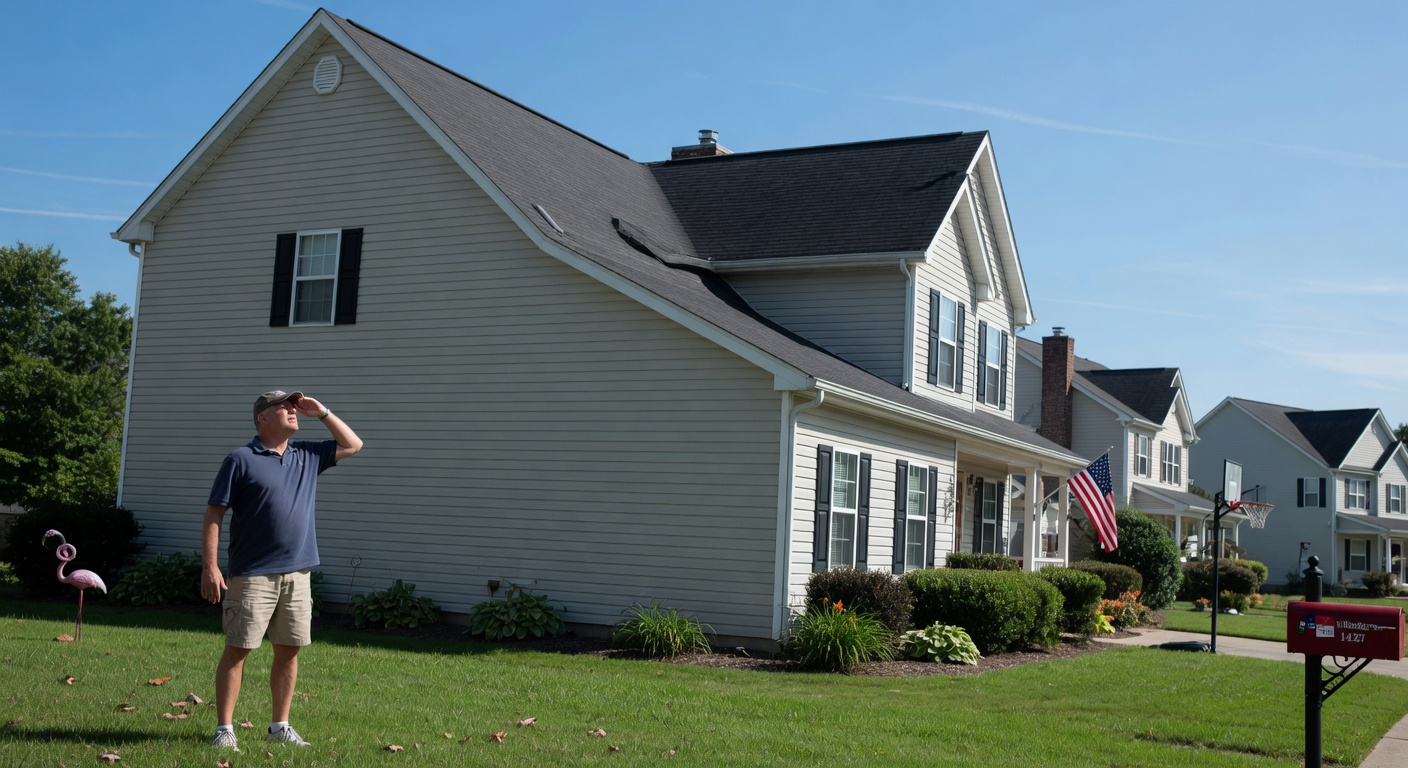
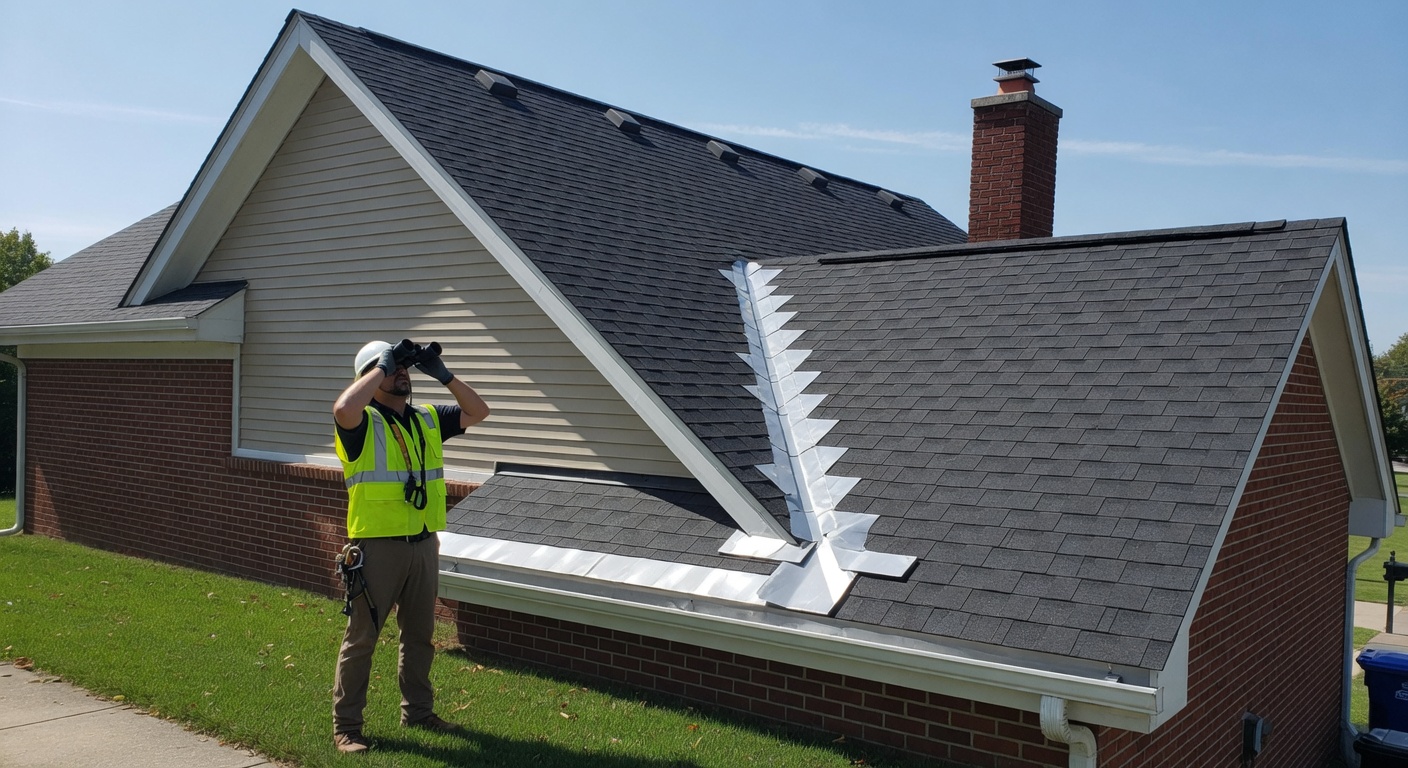
After a storm, you can do a safety check from the ground. Avoid climbing on the roof yourself. Instead, use a pair of binoculars and walk the boundary of your property. Professional inspectors often look for evidence on softer materials first. If a storm was strong enough to dent your gutters, there is a good chance your shingles sustained damage too, though the exact impact depends on the age of your roof and the storm's direction.
The National Weather Service (NWS) Raleigh classifies thunderstorms as severe if they involve winds of at least 58 mph or hail at least 1 inch across. When you hear reports of quarter-sized hail near RDU or see large branches down in your yard, it is worth spending a few minutes checking your roof for visible changes.
What to look for from the ground
Walk around the house and look at the corners, ridges, and eaves of the roof. These areas catch the wind more than the flat slopes. Look for shingles that are missing, folded, or lifting. You might also find pieces of shingle material or metal flashing on the grass or near your downspouts. Significant piles of stone granules at the bottom of your downspouts after a heavy rain represent a loss of the shingle's protective surface.
Wind damage: Beyond missing shingles
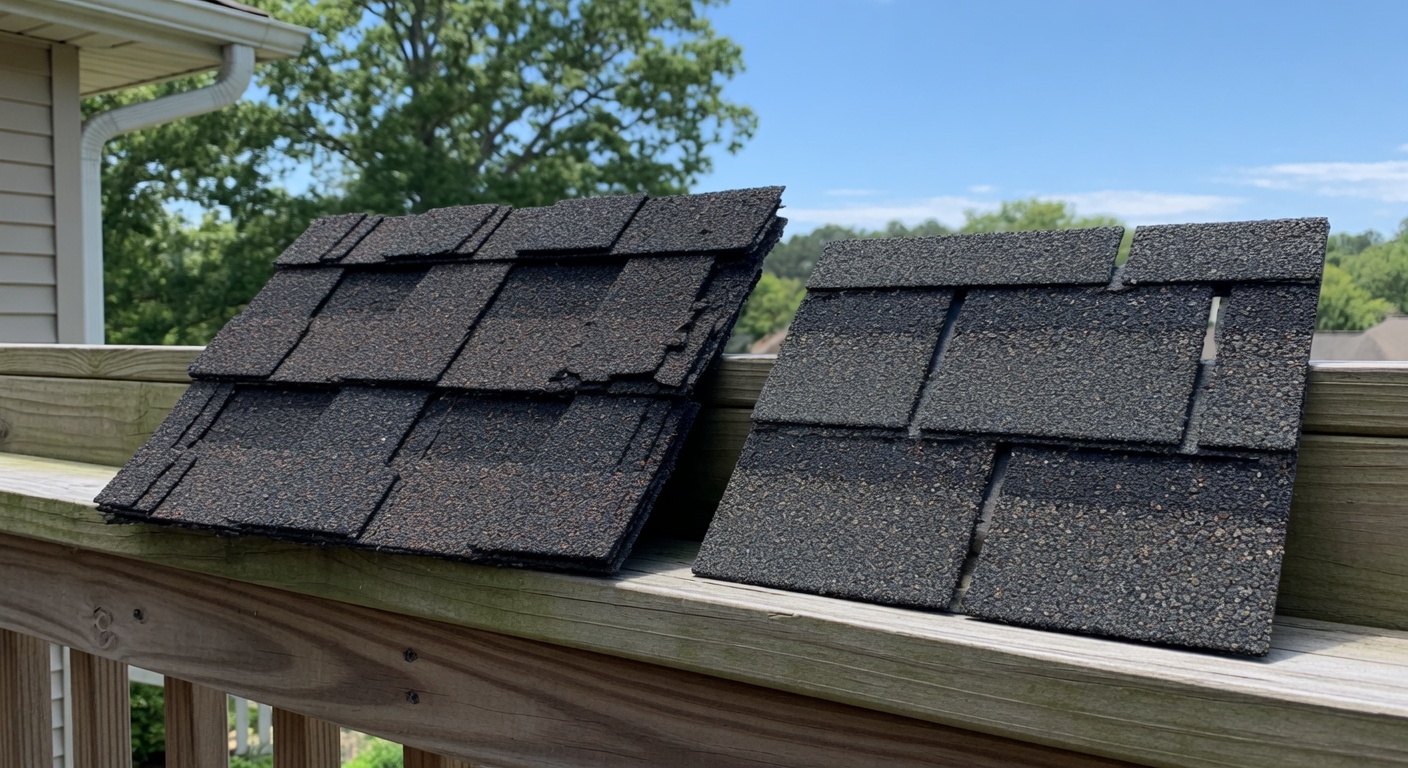
Wind damage is not always as obvious as a missing section of shingles. High winds often lift the edges of shingles without tearing them away. This lifting breaks the sealant strip. A shingle with a broken seal may look normal once it lays back down, but it is no longer properly secured for the next storm.
Look for creased shingles. This happens when the wind folds a shingle tab upward until it cracks horizontally. You might also see lifted edges along the ridge cap or corners. These gaps can let wind-driven rain reach the underlayment, which often causes leaks that do not appear until months later.
Hail damage: The signs on asphalt shingles
Hail damage is difficult to see from the street because it rarely creates a hole. Instead, hailstones bruise the asphalt shingle or fracture the fiberglass mat inside. This impact creates dark or "bald" spots where the protective granules have been knocked away, exposing the black asphalt underneath.
Through binoculars, hail damage looks like a random, scattered pattern of pits. It is different from the linear patterns of aging or the dark streaks caused by algae. These bruised spots leave the roof vulnerable to UV rays and water. This is why a roof inspection in Morrisville is useful even if the roof looks fine from your driveway.
Secondary signs: Gutters, vents, and accessories
Check the soft metals around your home to gauge a storm's severity. Hail and debris hit gutters and vents with the same force they hit shingles. These items provide reliable ground-level evidence:
- Dented gutters or downspouts: Small, circular dents are common indicators of hail size.
- Damaged vents: Metal ridge vents or static box vents often show hail strikes.
- Window screens and flashing: Tears in screens or dents in the metal flashing around your chimney are clear clues.
- AC condenser fins: Hail can flatten the delicate fins on your outdoor unit, showing an inspector exactly how the storm moved.
If you find these signs, the probability that your shingles are damaged increases significantly. A professional can then document these findings to help you decide on a roof repair or replacement.
Documentation and North Carolina insurance rules
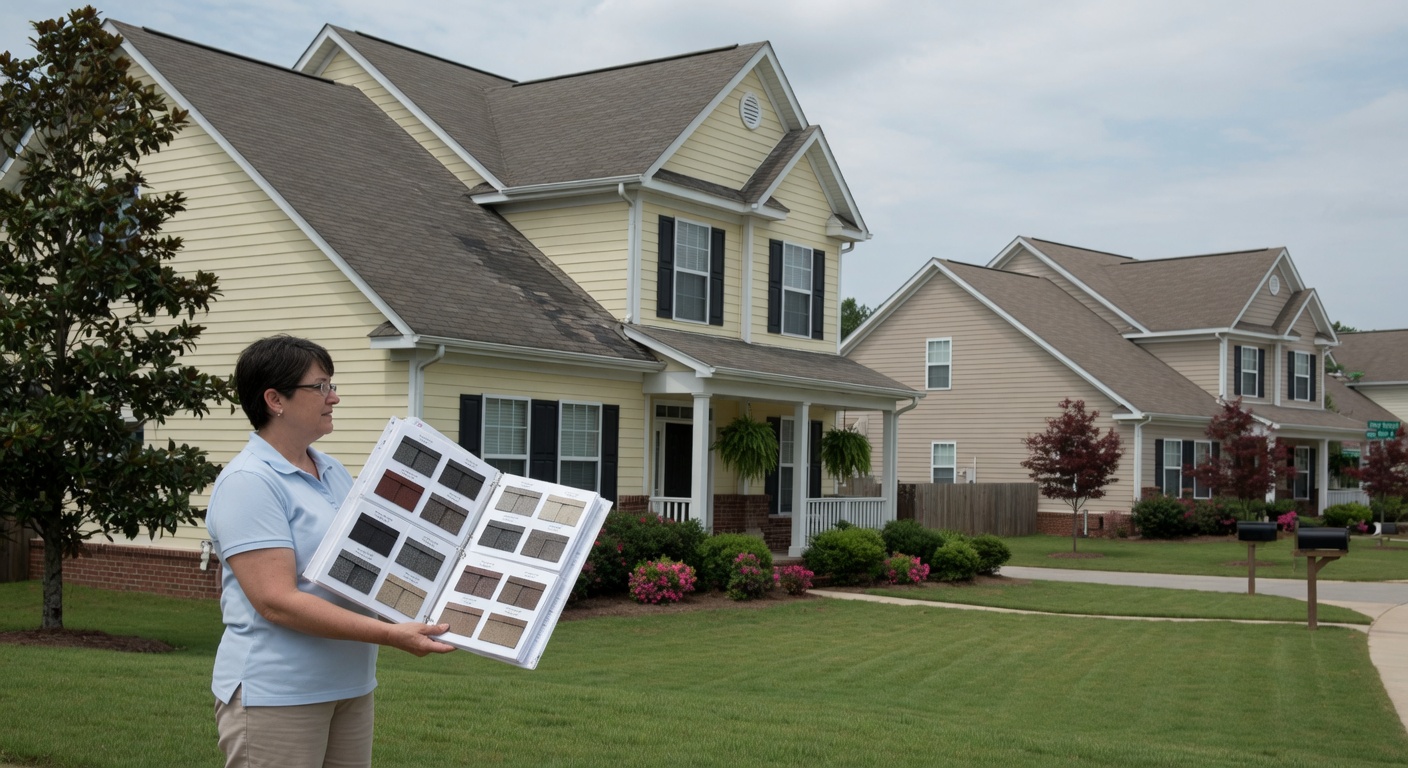
In Morrisville, many homeowners feel they should call insurance immediately after a storm. While reporting damage is important, having professional documentation first helps clarify the conversation. It is also useful to know the North Carolina Department of Insurance (NC DOI) guidelines. In North Carolina, policies usually cover direct physical damage and insurers are generally required to replace only the damaged portion of the roof, even if matching shingles are no longer available.
Photos and written notes from a professional inspection help distinguish functional storm damage from normal wear. Since many homes built during Morrisville's growth in the 2000s still have original shingles, proving that a specific storm caused the damage is essential for an accurate assessment.
Next steps: Professional verification
If you have an active leak, see widespread shingle loss, or find heavy denting on your vents, contact a professional. For smaller issues, a ground check is a helpful starting point. If you were in the path of a severe weather warning or see any of the signs mentioned above, a professional storm damage roof inspection is the safest next step.
Catching damage early prevents water intrusion and potential mold growth. To discuss what you found or to schedule look at your roof, you can contact Morrisville Roofing Company today.
More Posts by Morrisville Roofing Company