Roof inspection for 2000s-era homes in Morrisville
Roof inspection for 2000s-era homes in Morrisville
Morrisville saw rapid growth in the 2000s, and many homes built during that period still have their original roofs. Homeowners in these houses often notice gradual changes and wonder whether the roof still has useful life or needs closer attention. A roof inspection for 2000s homes can help separate normal wear from issues that may require repair or replacement.
Local housing data shows roughly two-thirds of Morrisville units were built after 2000, with the median construction year around 2007. That places many roofs in the 15- to 25-year range where asphalt shingles in central North Carolina commonly reach the end of typical service life.
Morrisville homes built in the 2000s are now aging
Homes from the 2000s era are not legacy properties. They represent the first major roof decision cycle for many Morrisville neighborhoods. Factors such as heat, humidity, UV exposure, thunderstorms, and occasional hail affect asphalt shingles over time. Ventilation quality and proper installation also play roles in how quickly the roof shows wear.
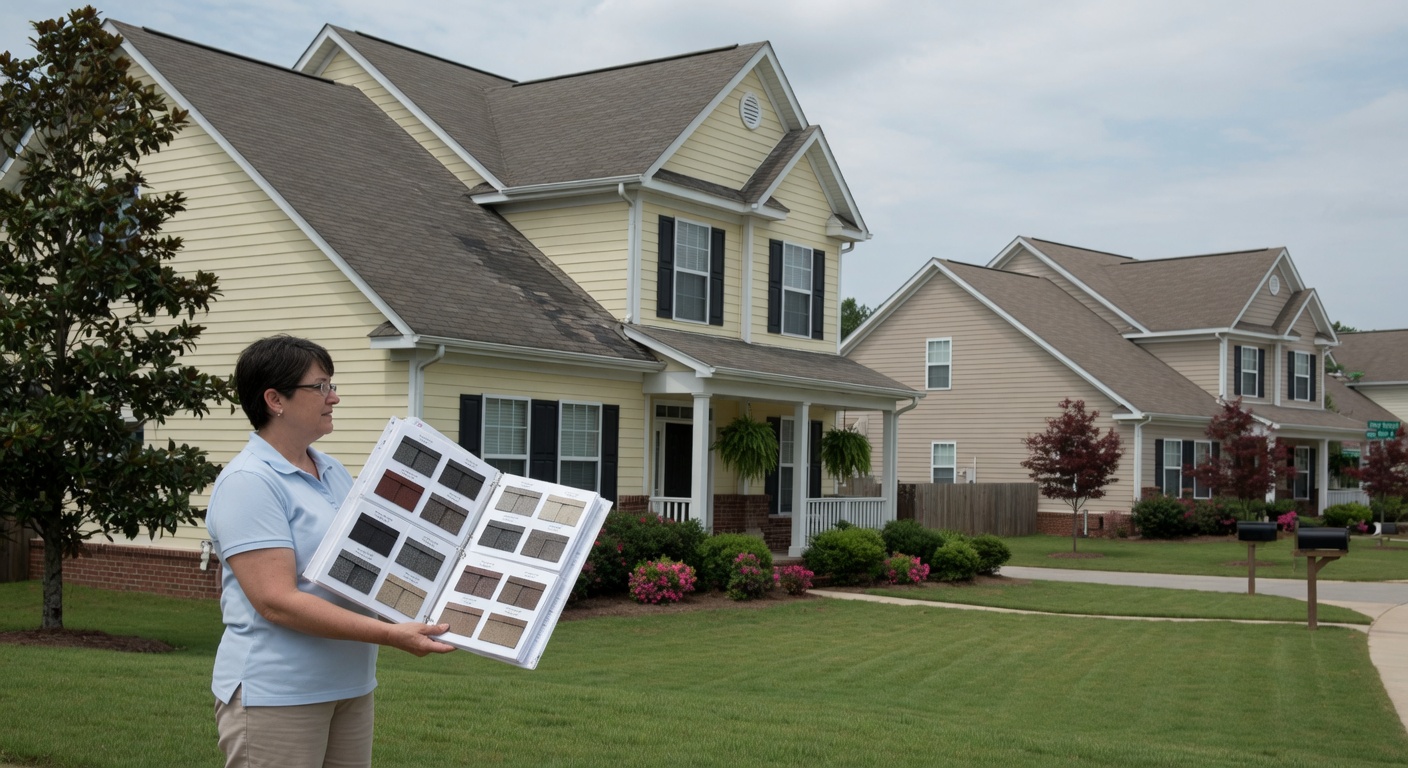
Age alone does not dictate replacement. Some 20-year-old roofs perform well with routine maintenance, while others reach the point where further repairs bring diminishing returns. The decision rests on visible condition, leak history, and what a professional inspection reveals about the decking and attic space.
Visible roof changes homeowners can check from the ground
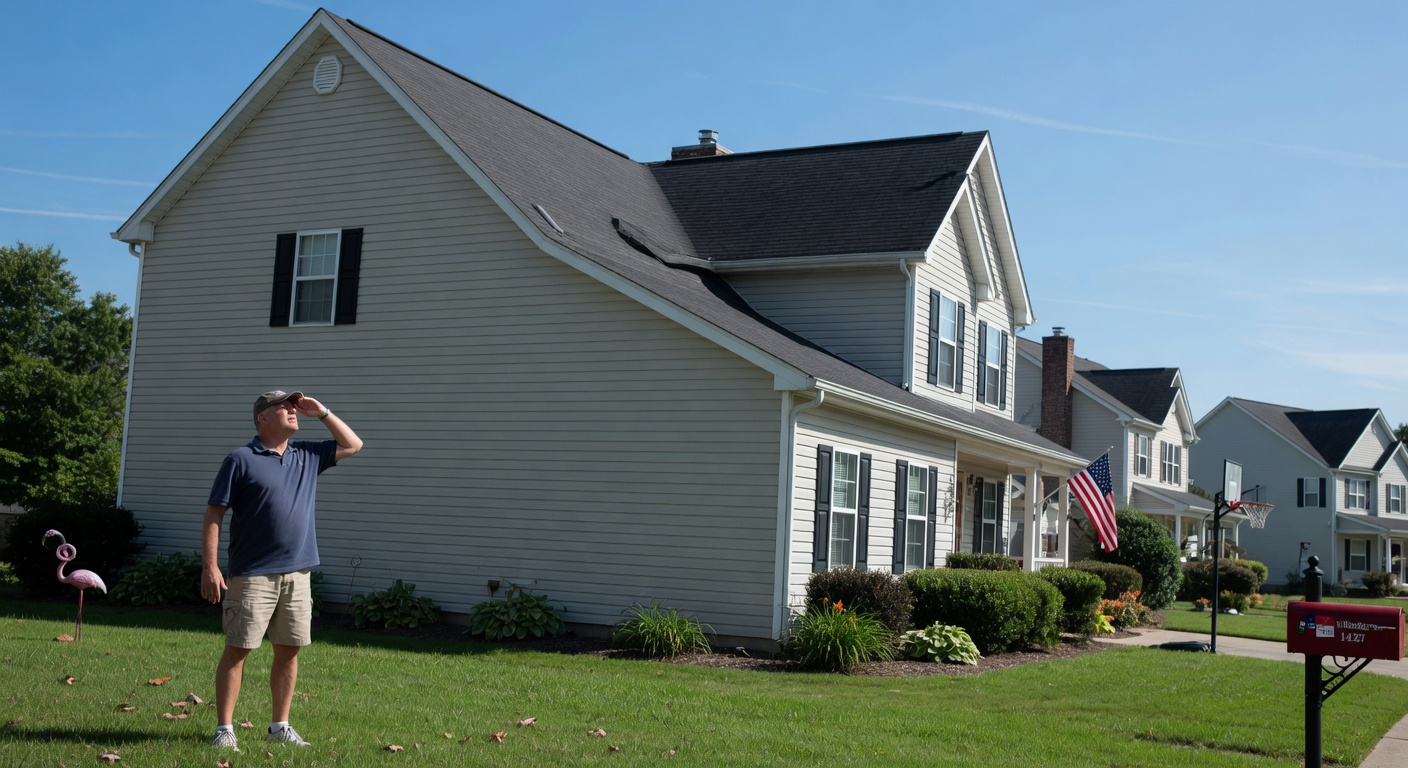
Several signs can be observed without climbing onto the roof. Homeowners should stay on the ground or use binoculars from a safe distance and never attempt to walk steep slopes or lift shingles themselves.
- Granule loss appears as smooth or bald patches on shingles or as dark grit collecting in gutters and downspouts.
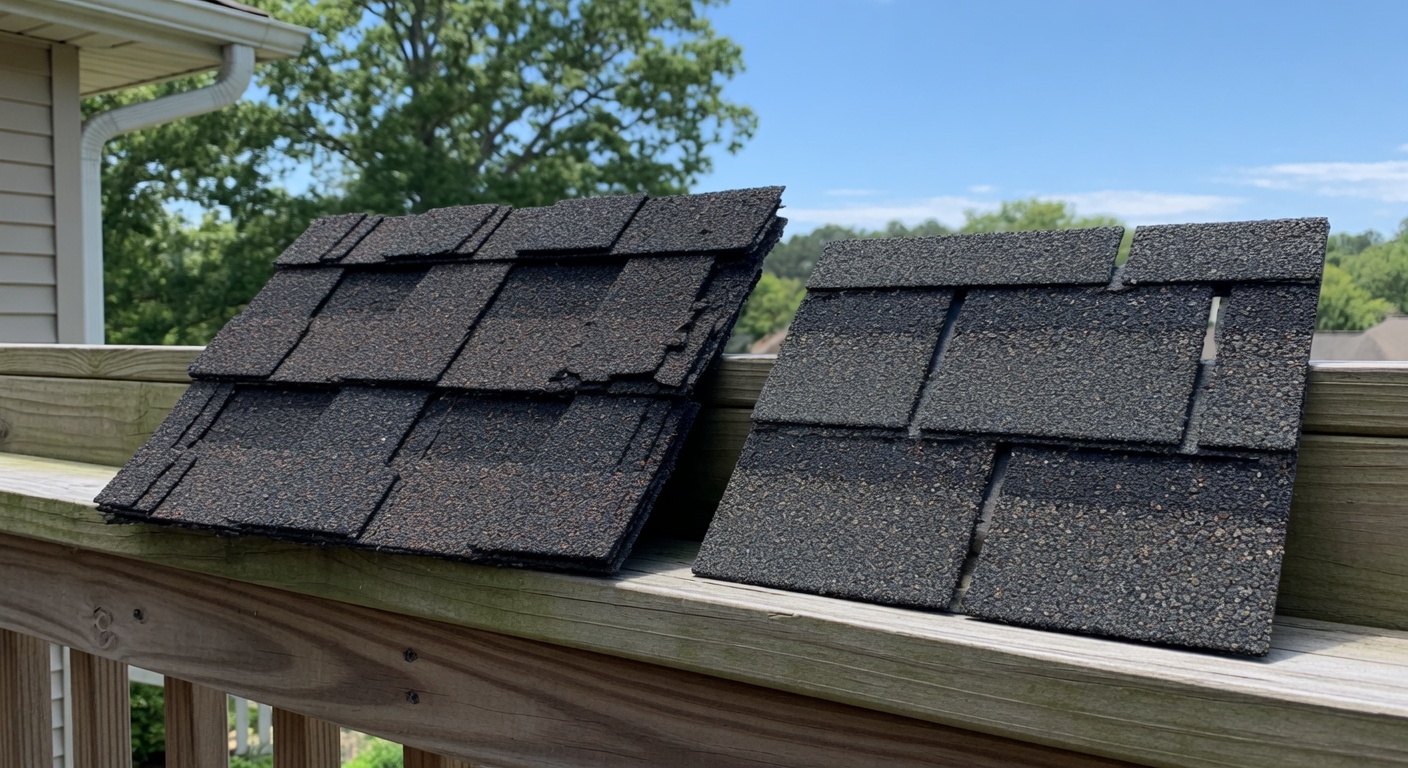
- Curling or cupping edges lift away from the roof plane and create gaps where wind-driven rain can enter.
- Cracked or brittle shingles break along edges and may lose flexibility in hot summers and cold snaps.
- Dark algae streaks often run vertically and affect appearance more than structure, though heavy growth can trap moisture.
- Missing shingles or exposed underlayment create obvious holes that warrant prompt attention.
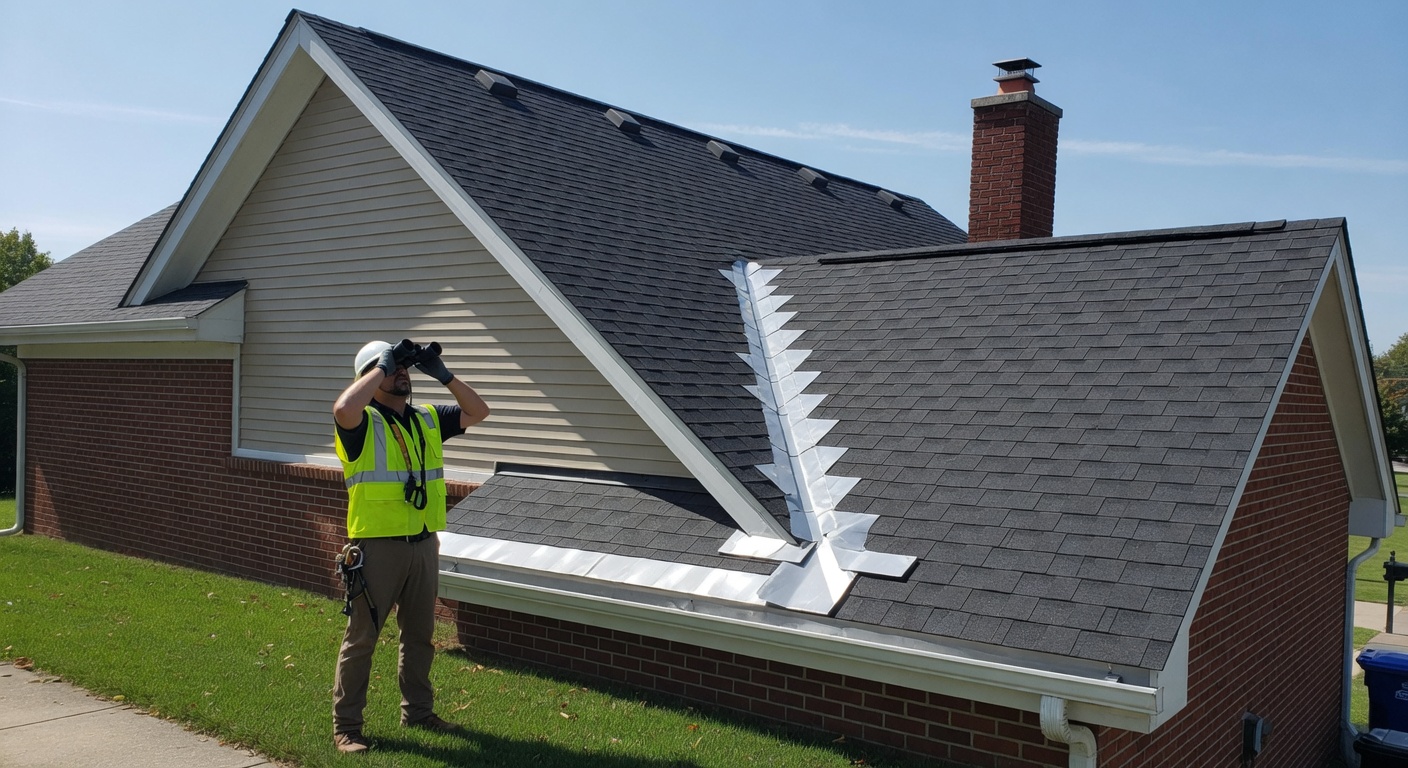
Accessory areas also matter. Pipe boots around plumbing vents can crack or pull away from the shingle field. Flashing along valleys, chimneys, or roof-wall intersections can corrode or lift. Ridge vents may sag or show damage after strong winds. These details are easier to assess during a full inspection but can sometimes be noted from the ground after a storm.
Factors that shorten or extend roof life locally
Triangle climate conditions accelerate shingle aging compared with drier regions. Prolonged heat and humidity, combined with sudden downpours, stress the material. Homes near busy roads or with limited attic ventilation may see faster wear on the north or south slopes depending on sun exposure and tree cover.
Good ventilation and proactive fixes can add years. Clearing debris from valleys and gutters reduces standing water. Replacing individual pipe boots or sections of flashing often prevents leaks without requiring a full roof replacement. Storm history also changes the timeline. A single hail event or fallen limb can shorten the remaining life even on an otherwise sound roof.
When an inspection is the practical next step
Ground observation helps homeowners track changes over time, yet it cannot evaluate decking condition, hidden moisture, or the integrity of the underlayment. Professional evaluation becomes useful in several situations.
- Repeated or seasonal leaks appear in the same location.
- Granule loss is heavy enough that gutters fill with grit each season.
- Curling or cracking affects large portions of visible slopes.
- The home is approaching or past the 20-year mark and shows multiple aging signs.
- Storm damage is suspected after high winds or hail.
- A purchase or sale is planned and roof condition affects negotiations.
Many Morrisville homeowners choose inspection before problems become urgent. Documentation from the inspection supports clearer repair-versus-replacement conversations and provides records if insurance questions arise later. For more on the inspection process itself, see our Morrisville roof inspection process.
What a clear roof inspection should include
A useful inspection focuses on observable conditions and explains options rather than pushing one path. It documents the age and type of shingles, notes accessory condition, checks visible ventilation, and identifies any active leak points. The inspector should also assess whether current issues appear localized or point to broader system concerns. Homeowners receive written notes and photos that show findings from accessible vantage points.
The process fits the practical needs of 2000s-era homes. It clarifies whether targeted repairs can extend service life or whether planning for replacement makes more sense. The goal remains the same: give homeowners enough information to decide without pressure. Minor localized fixes are discussed further on our roof repair page.
If your Morrisville home was built in the 2000s and you have noticed granule loss, curling edges, or are simply planning ahead, consider requesting a roof inspection. The team at Morrisville Roofing Company can walk through visible findings and explain realistic next steps based on the roof’s actual condition.
Request a roof inspection to receive documentation tailored to your home and timeline.
More Posts by Morrisville Roofing Company