Why does my roof leak only during heavy rain?
Why does my roof leak only during heavy rain?
If your roof only leaks when it pours, the problem usually comes from a specific weak point rather than widespread shingle failure. Water that shows up during a heavy downpour but disappears during light rain or dry weather typically enters through a penetration, transition, or drainage point that has started to degrade. On many Morrisville homes built in the 2000s, these components have been exposed to sun, heat, and summer storms long enough that their seals are starting to fail under pressure.
The most common sources of rain-only roof leaks include:
- Worn or cracked pipe boots around plumbing vent pipes
- Damaged or separated flashing at chimneys, skylights, and roof-wall intersections
- Deteriorated roof valley materials or debris buildup in valleys
- Clogged or damaged gutters that cause water backup at the roof edge
- Failed seals at ridge caps, vents, or other roof penetrations
Heavy rain produces more water volume and pressure than a light shower. It also tends to come with wind. That combination pushes water through small gaps that hold fine under gentler conditions. Below you can read about each source, what you can safely observe from the ground, and when a professional inspection makes sense.
Symptoms of a rain-specific roof leak
Rain-only leaks tend to follow a consistent pattern. Knowing what to look for helps you describe the problem to a roofer and may point toward the likely cause.
- Water stains on ceilings or attic sheathing that appear after storms and fade between rain events
- Dripping from a specific point during heavy rain that stops once the storm passes
- Wet spots near interior corners below skylights, chimneys, or where the roof meets a wall
- Musty smell in the attic that shows up after prolonged rain but not during dry weeks
- Visible water trails or dampness on the underside of roof decking after heavy rain
If a leak appears during one storm and then seems to go away for weeks, the problem did not fix itself. Small gaps only leak when enough water volume or wind direction reaches them. The gap is still there.
Typical sources that fail during heavy downpours
Rain-specific leaks rarely signal that every shingle on your roof has given out. They start at specific points where materials connect, overlap, or penetrate the roof surface.
Worn pipe boots
Pipe boots are rubber or neoprene collars that seal around plumbing vent pipes where they exit the roof. They are one of the most common failure points on asphalt shingle roofs. Over time, ultraviolet exposure, summer heat, and general aging cause the rubber to crack, harden, or pull away from the pipe.
During light rain, water runs down the outside of the pipe and stays above the crack. During a heavy downpour, especially one with gusty wind, water gets behind the damaged collar and works its way into the attic cavity below. On Morrisville homes built during the 2000s, original pipe boots may now be 15 to 25 years old. That is a realistic lifespan for rubber collars in a North Carolina climate.
Damaged or separated flashing
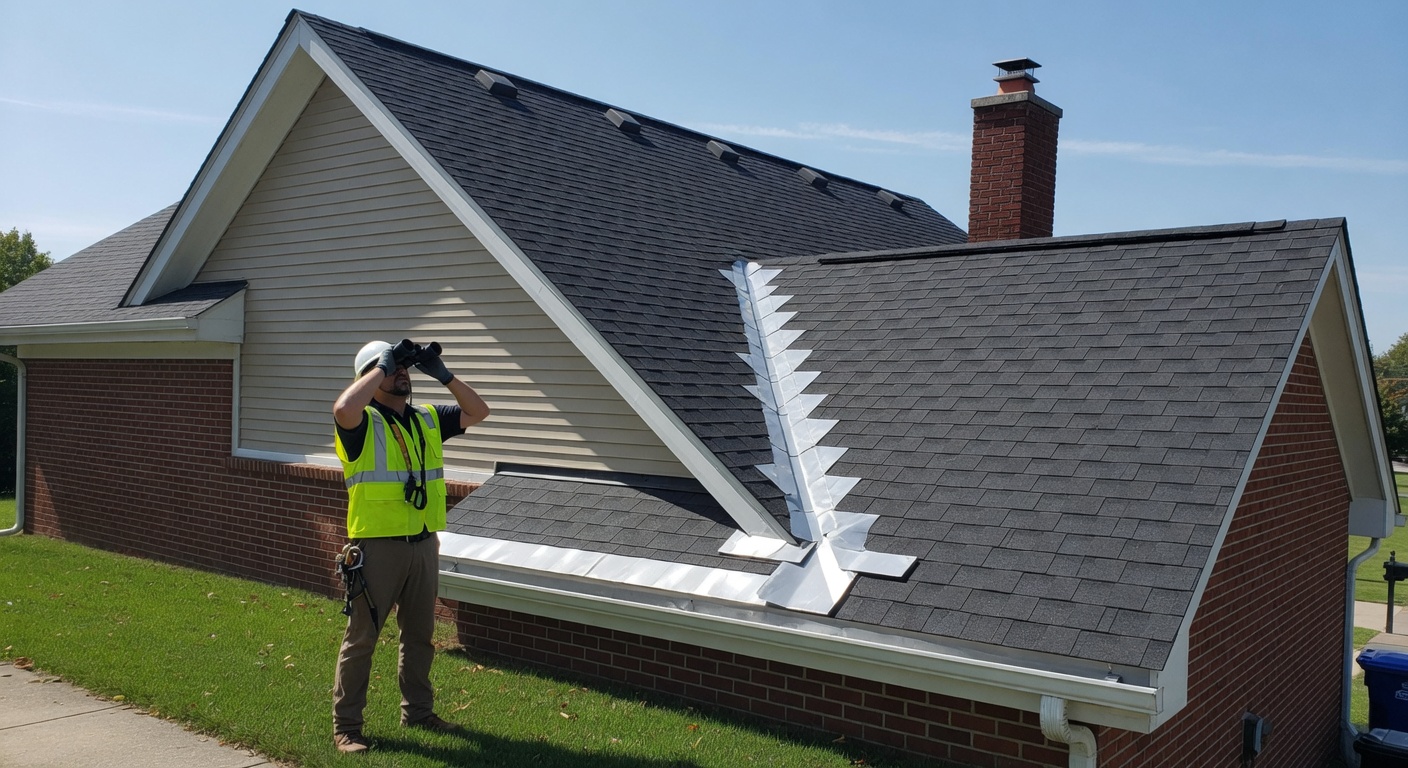
Flashing is the metal or composite material installed where a roof meets a chimney, skylight, dormer, or vertical wall. Step flashing, counter-flashing, and base flashing all direct water away from joints where two surfaces meet.
When flashing cracks, lifts, develops rust, or loses its sealant, heavy rain forces water underneath it. The damage is often hidden from ground level because flashing sits beneath or behind the first row of shingles. You will not spot it from the yard, but you may notice the water stain directly below on the ceiling.
Roof valleys
Valleys are the channels formed where two roof planes meet at an angle. They carry a concentrated flow of water during every storm. If debris has collected in a valley, or if the valley underlayment has deteriorated, water backs up and finds paths underneath shingles during a heavy downpour.
Many Morrisville townhomes and planned-community homes have multiple rooflines that create several valleys. More valleys mean more potential entry points, which is why these designs can be more prone to rain-specific leaks than a simple gable roof.
Clogged or damaged gutters
Gutters move water off and away from the roof edge. When they fill with leaves, pine needles, granules, or other debris, the water backs up during heavy rain. That backup can push water under the drip edge and into the fascia board, soffit, or interior ceiling near exterior walls. Gutters pulling away from the house or damaged at the seams create similar problems.
This is one you can spot from ground level: water pouring over the gutter lip during a storm tells you drainage is not working.
Wind-driven rain at roof transitions
Wake County thunderstorms frequently deliver heavy rain alongside gusty wind. That wind pushes water sideways into gaps that vertical rainfall alone would never reach. Roof-wall intersections, ridge caps, turbine vents, and even mounts for satellite dishes or other rooftop accessories can admit wind-driven water when their seals are pulling apart.
Why Morrisville homes face this kind of risk
Morrisville and the surrounding Wake County area get roughly 46 to 49 inches of rain per year, with thunderstorms on approximately 40 to 50 days annually. Not every storm hits hard, but the ones that deliver heavy downpours and gusty wind are the events that expose weak points on roofs.
A significant share of Morrisville housing was built during or after the 2000s. Many original roofing components, pipe boots, flashing sealants, underlayment, vent gaskets, have been exposed to North Carolina sun, humidity, and storm cycles for 15 to 25 years. The shingles themselves may still look fine from street level, but the smaller pieces underneath or around them tend to give out first.
Morrisville also has a meaningful number of townhomes and planned communities with more complex rooflines than a basic rectangle. Every intersection, valley, dormer, and wall connection adds a spot where heavy rain can work its way in. Multiply those points across several roof planes and the odds of at least one weak spot go up.
What you can safely check from the ground
You do not need to climb on your roof to gather useful information. Observations from the ground or inside your home can help a roofer understand where water might be entering.
- Note where water stains appear inside the house. Are they near a plumbing vent, chimney, skylight, exterior wall, or the middle of a ceiling? Location matters for diagnosis.
- If you can safely access the attic during or just after heavy rain, look for wet spots, daylight through the decking, or water trails on the underside of the roof. Bring a flashlight.
- Watch your gutters during the next heavy rain from a safe, dry spot. Are they overflowing or dripping behind the gutter line?
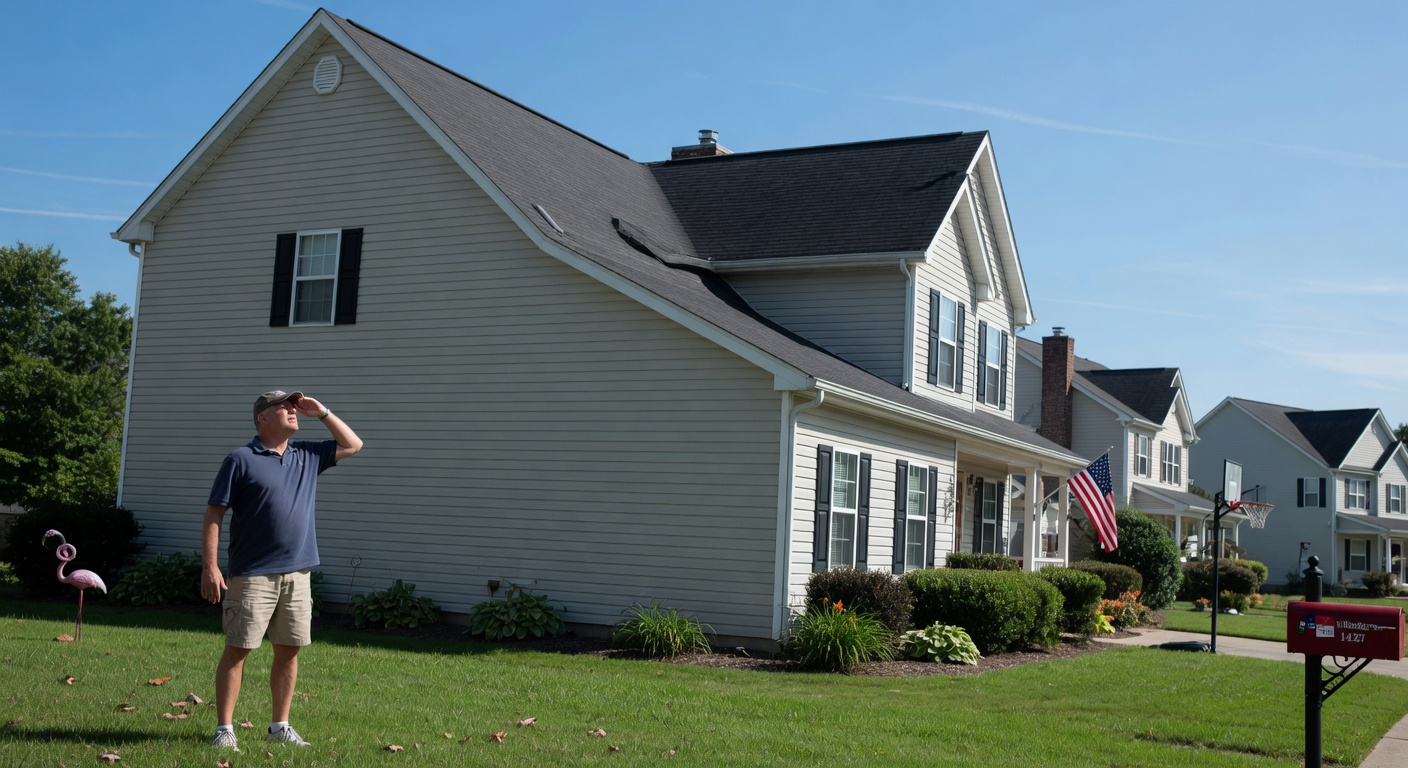
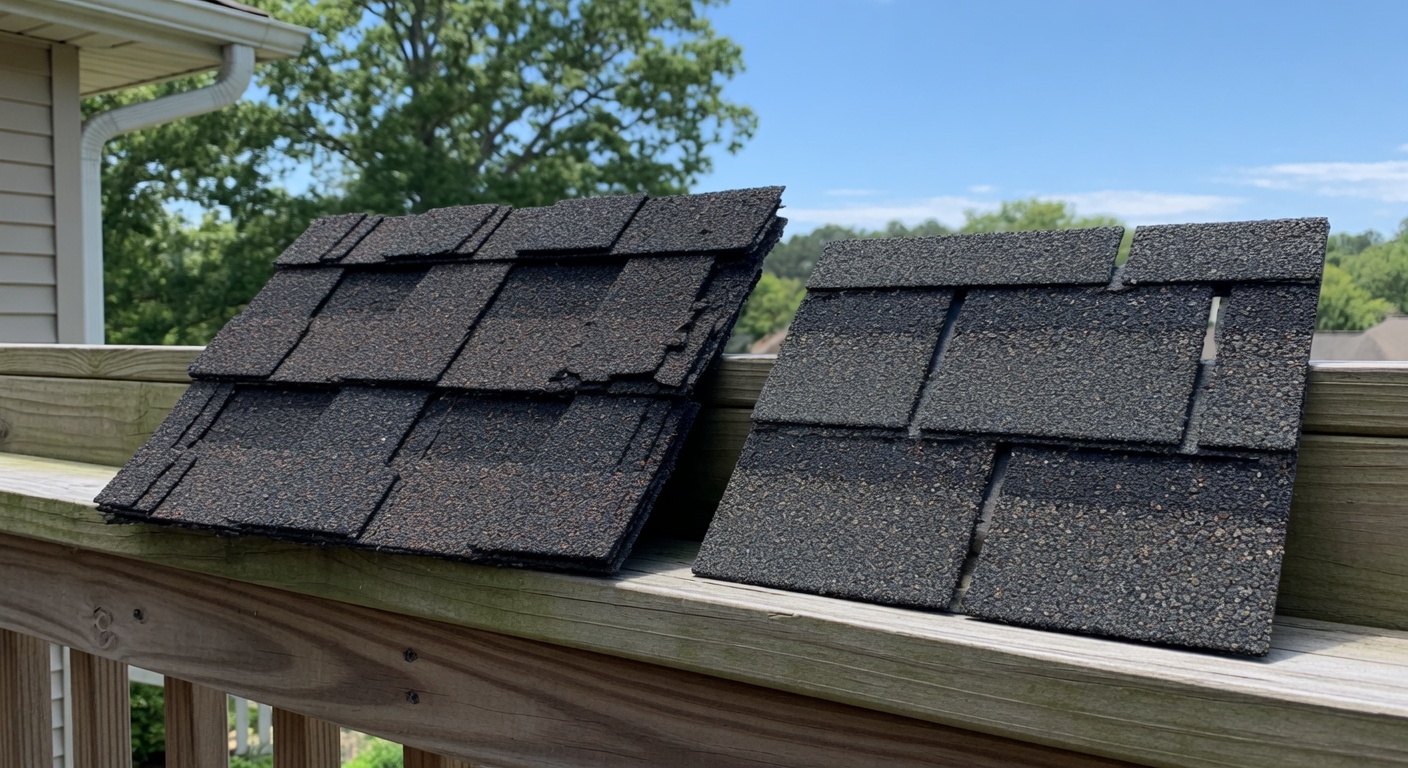
- Look at the roof surface from the yard or driveway. Visibly lifted, missing, or curled shingles are worth noting, though many rain-specific leaks originate at points you cannot see from below.
- Check around downspouts after heavy rain. Water should be discharging away from the foundation, not pooling near the house.
Do not climb onto the roof, walk on a wet or steep surface, or try to lift shingles to inspect underneath. Wet roofs are dangerous, and probing shingle edges aggressively can create new damage. Ground-level and attic observations are the safe starting point.
When to schedule a professional roof inspection
A roof inspection in Morrisville is the practical next step whenever water gets inside your home during heavy rain, regardless of how small the leak seems. A roofer can access the roof safely, check each penetration point and transition, and pinpoint where water is entering. In many cases, what looks like a serious problem from inside the house turns out to be a localized fix at a pipe boot, a section of flashing, or a gutter connection.
Consider scheduling an inspection if any of these apply:
- Water stains have appeared more than once during heavy rain
- Stains are growing or coming back in the same spot
- There has been recent wind or storm activity in the Morrisville area
- You are not sure whether the issue is coming from the roof or the gutters
- The home still has its original roof and has not been professionally inspected in several years
- You are planning to sell and want to understand the roof's condition before listing
A leak during heavy rain does not mean the whole roof needs replacement. The source might be a worn pipe boot or a flashing seam that needs resealing. It might also point to something more widespread. The only reliable way to know is to have someone look at the actual roof.
If the inspection reveals signs of storm damage, documenting those findings before contacting your insurance carrier is a reasonable step. Insurance coverage depends on the policy, cause of damage, and adjuster findings. Per North Carolina Department of Insurance guidance, an insurer is generally only required to replace the damaged area, even if replacement shingles do not match the existing roof.
Permit requirements for roof work in Morrisville depend on the scope and type of project. For questions about local requirements, the Town of Morrisville provides an Inspections Department and e-Permits portal that homeowners can reference.
If heavy rain has you wondering what is going on above your ceiling, contact Morrisville Roofing Company to schedule a roof inspection and get a clear answer about what your roof actually needs.
More Posts by Morrisville Roofing Company