Roof considerations for townhomes and planned communities in the Triangle
Roof considerations for townhomes and planned communities in the Triangle
Roof work in townhomes and planned communities often involves more than just calling a contractor. Homeowners in the Triangle under Raleigh, Cary, Apex, Morrisville, and Durham — should review their community's governing documents, understand who is responsible for the roof, and check whether architectural approval is needed before any work begins.
What to know before roof work
Every planned community and townhome association is different. Some give the homeowner full responsibility for the roof; others cover it through HOA dues. The rules about colors, materials, and even the timing of work are typically spelled out in the community's Covenants, Conditions, and Restrictions (CC&Rs) and enforced by an Architectural Review Committee (ARC).
Common roofing factors in Triangle planned communities
HOA and architectural review committees
Under the North Carolina Planned Community Act, many HOAs have the authority to approve or deny exterior changes, including roofing. Before you commit to a roof repair or replacement, review your HOA's CC&Rs and contact the ARC if required. The approval process often takes about 30 days according to common practice, but confirm exact timelines with your ARC.
Approved materials and colors
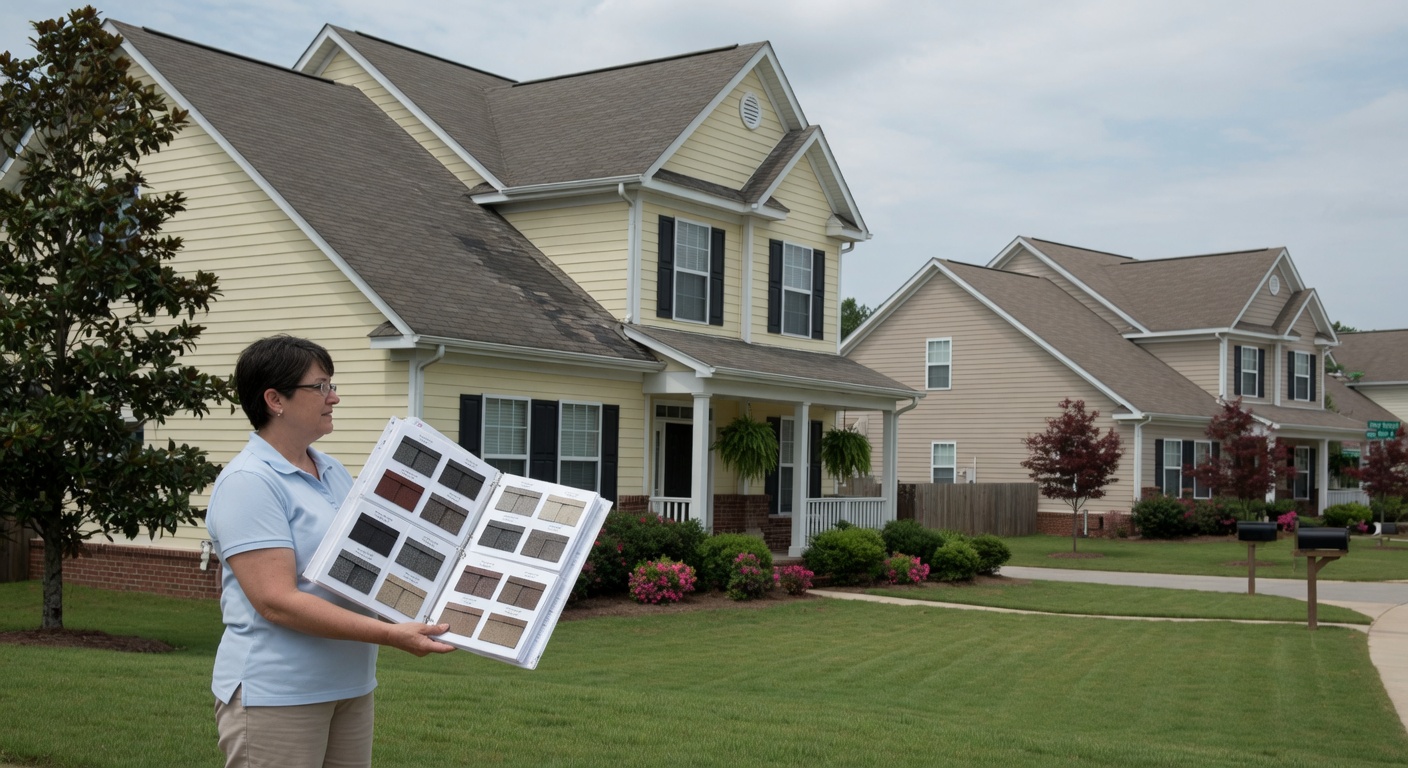
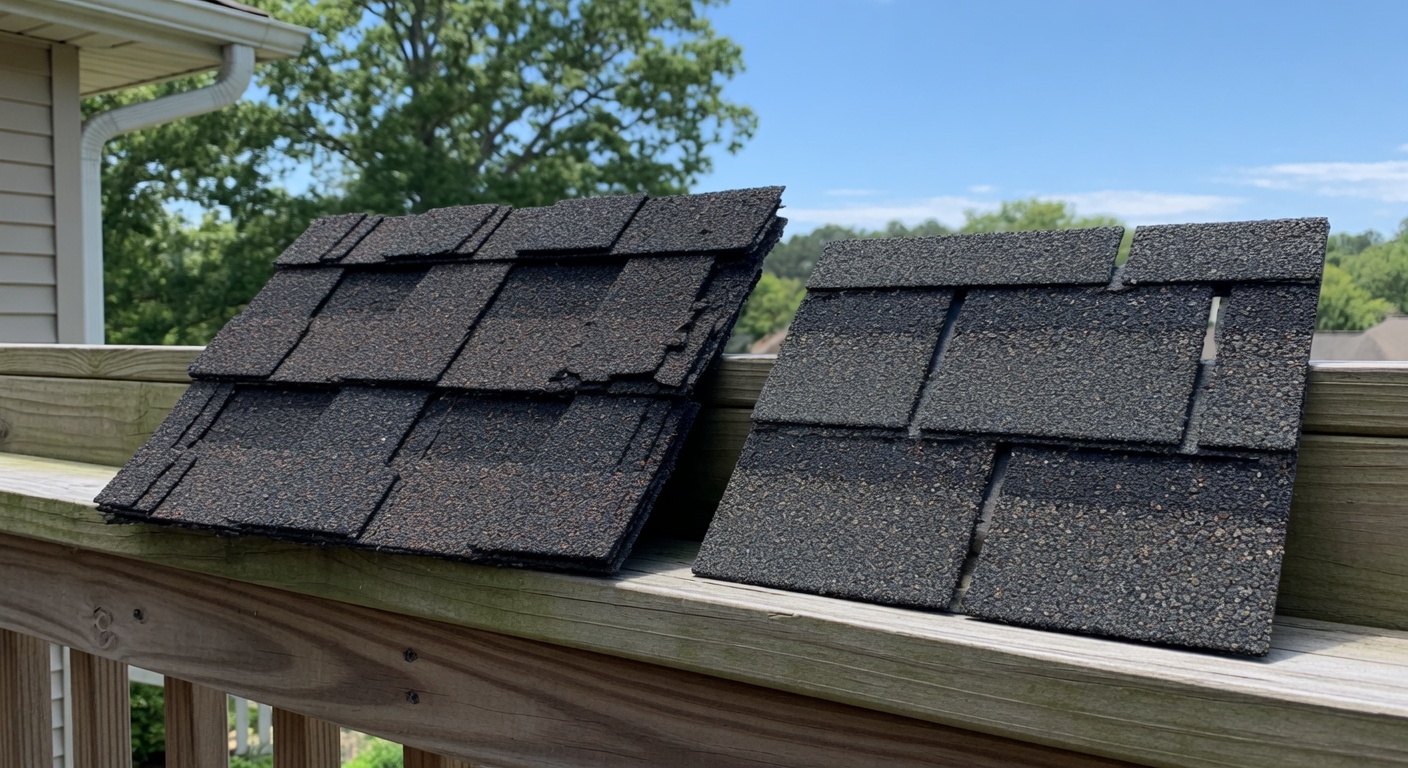
HOAs commonly restrict roofing to specific shingle types, profiles, and color palettes to maintain a uniform look. You may be limited to certain brands or a set of pre-approved colors. This is especially important if your neighbors have matching roofs and your HOA expects consistency. When comparing options, ask your contractor for product samples that fit within your community's approved list.
Responsibility for repairs and replacements
For detached single-family homes in a planned community, the owner is typically responsible for the roof. In townhomes, the HOA may cover roof maintenance as part of common element upkeep. Some declarations give the HOA responsibility for the roof structure while the owner handles interior damage. Always check your specific documents — assumptions can lead to unexpected costs.
Townhome roof considerations
Varying ownership and maintenance rules
Townhome roof management varies widely across the Triangle. Some associations cover full replacement; others only handle repairs or require the owner to maintain the roof. Special assessments for major roof work are possible if reserves are insufficient. Review your declaration carefully, and ask your HOA for a written statement on roof responsibility before you proceed.
Shared rooflines
Attached townhomes often share rooflines. If one unit needs repair, it can affect the adjacent unit. The HOA may require both units to be repaired at the same time for consistency, or the work may need to be approved by both neighbors. This coordination can impact timing and cost, so factor it into your planning.
Coordination with neighbors and HOA
Even if your townhome roof is your responsibility, the HOA may require you to notify affected neighbors before work begins. Schedules, noise, and debris can disrupt shared walls or driveways. Clear communication with both your HOA and neighbors helps the project go smoothly.
Checking community guidelines safely
You can start by gathering your community's CC&Rs and any ARC guidelines. Look for sections on "exterior modifications" or "roofing." Note any color charts, approved materials, or submission requirements. If the documents are unclear, ask your HOA directly. This step doesn't cost anything but can save you from having to redo work later.
- Review the CC&Rs and ARC guidelines.
- Look for sections on exterior modifications or roofing.
- Note approved color charts and material lists.
- Check submission requirements and timelines.
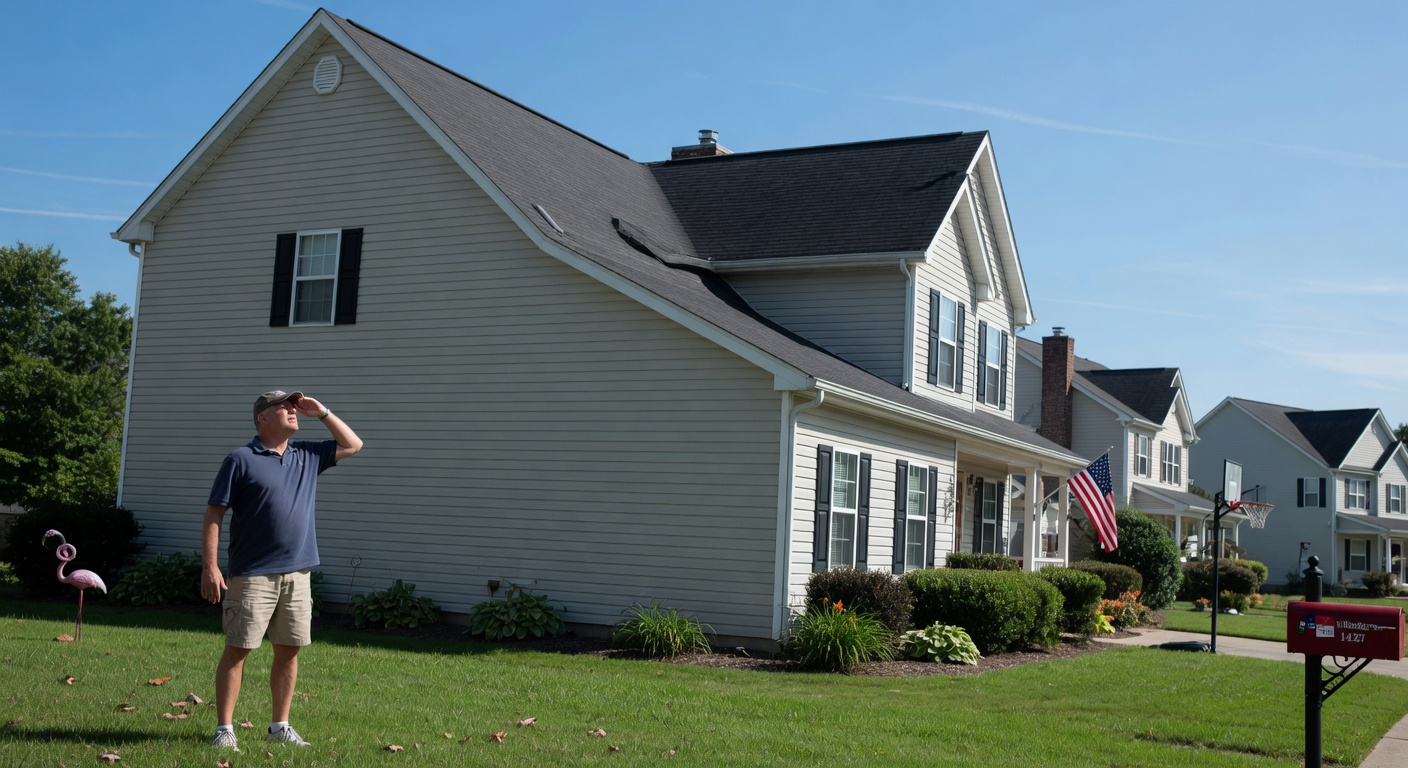
From the ground, you can safely inspect your roof for obvious damage like missing shingles or leaks around chimneys and vents. But for a full assessment of wear, storm damage, or potential issues in shared areas, a professional inspection is the next step.
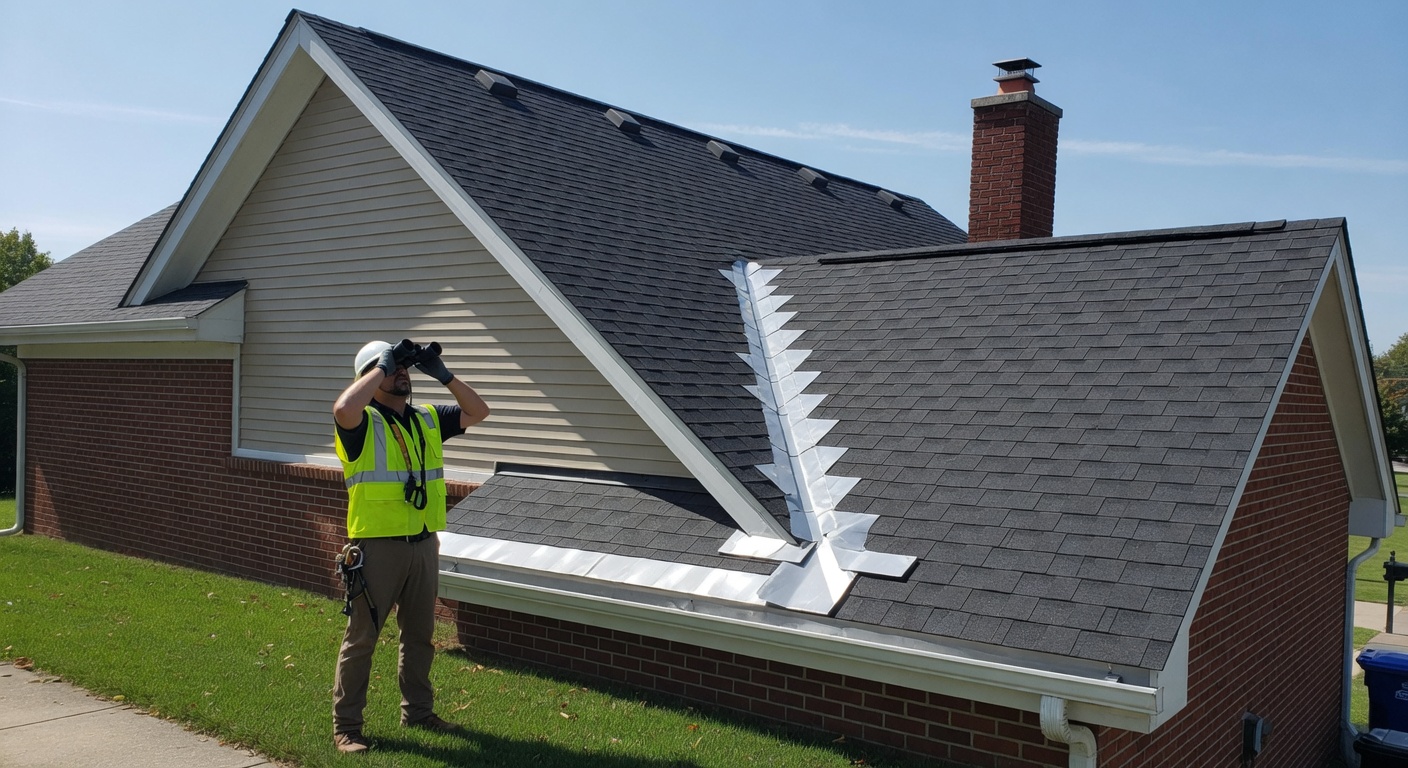
When to schedule a professional inspection
Consider a professional inspection if your roof is showing signs of age:
- Curling or buckling shingles
- Granule loss in gutters
- Stains inside the attic
- Leaks around vents or chimneys
This is especially important in homes built during the Triangle's rapid growth in the 1990s and 2000s. A thorough inspection can document the condition and help you decide between repair and replacement, whether you're paying yourself or coordinating with the HOA.
If you suspect storm damage from wind or hail, an inspection can identify issues that might be covered by insurance. Always check with your HOA before hiring a contractor, as some have approved or preferred vendors.
Next steps for Triangle homeowners
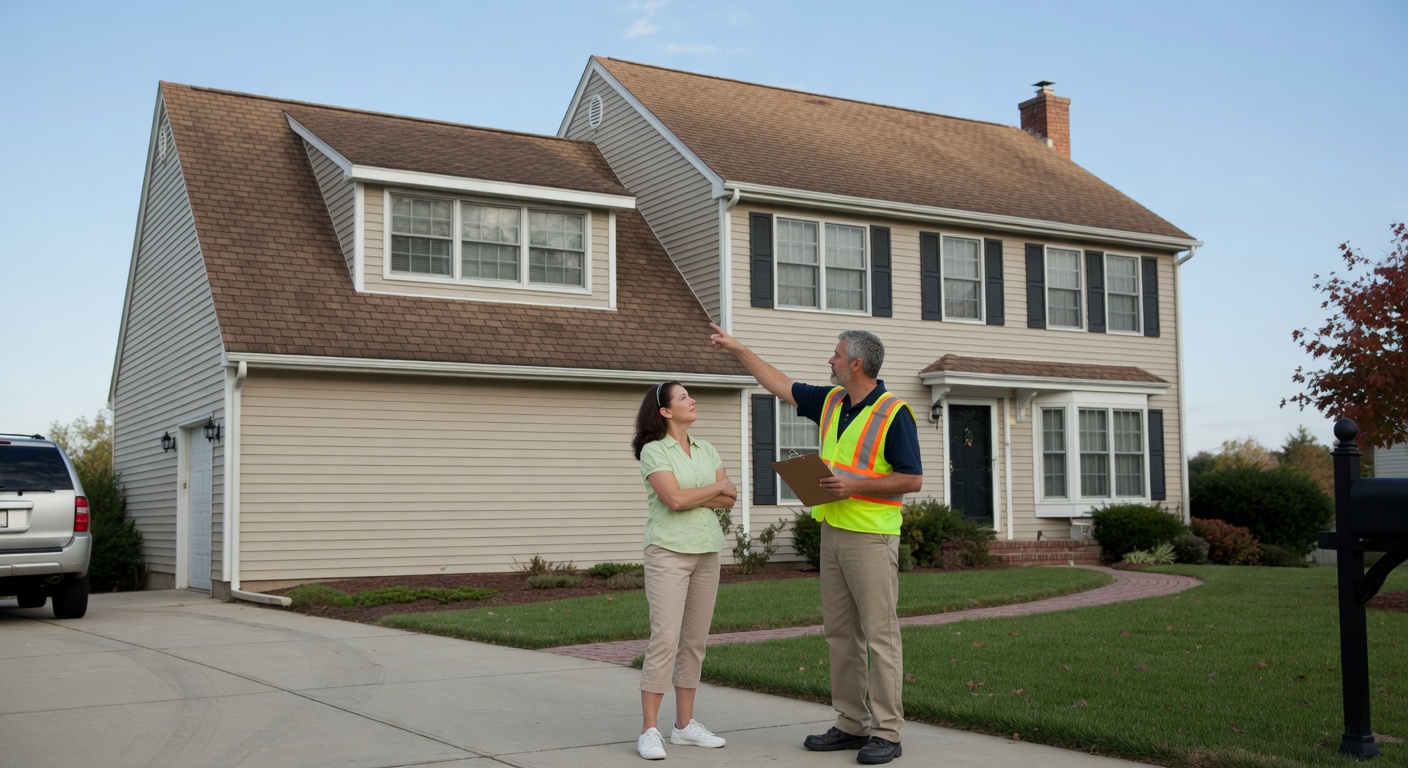
Understanding your community's rules and roof responsibility is the first step. Then, if you need an honest assessment of your roof's condition, schedule an inspection with a trusted local roofer. Contact Morrisville Roofing Company to request a roof inspection and talk through your options. We serve homeowners across the Triangle, including Cary, Apex, Morrisville, Raleigh, and Durham.
More Posts by Morrisville Roofing Company