How Long Do Asphalt Shingle Roofs Last in the Triangle Climate?
How Long Do Asphalt Shingle Roofs Last in the Triangle Climate?
If you're a homeowner in the Triangle area looking at your roof and wondering how much longer it has, you're not alone. The short answer: architectural asphalt shingles typically last 20 to 30 years in our climate, while standard 3-tab shingles tend to last 15 to 20 years. But those ranges depend heavily on local weather, installation quality, attic ventilation, and maintenance.
Let's break down what that means for your home and when it might be time to call a professional for a closer look.
Typical lifespan range for asphalt shingle roofs
Asphalt shingles are the most common roofing material in the Triangle, and they come in two main types:
- 3-tab shingles : Often last 15 to 20 years. These are lighter and less durable, and they're less common on newer homes.
- Architectural (dimensional) shingles : Typically last 20 to 30 years. These are thicker, heavier, and more resistant to wind and impact. Most homes built in the Triangle over the past two decades use architectural shingles.
These are general ranges. The actual lifespan of your roof depends on factors like sun exposure, weather events, attic ventilation, and upkeep. A roof that faces constant afternoon sun and poor ventilation may age faster than one that's shaded and well-ventilated.
How Triangle climate accelerates or preserves roof life
Our region's humid subtropical climate brings several challenges that can shorten a roof's service life:
- Heat and UV radiation : Prolonged summer heat bakes shingles, causing them to dry out, lose granules, and become brittle.
- Humidity : High moisture levels can promote algae growth (those black streaks) and trap moisture under shingles, accelerating decay.
- Thunderstorms and wind : Strong winds (often over 58 mph) can lift shingles, break seals, and drive rain under vulnerable areas.
- Hail : Hailstones as large as 1 inch or more can bruise shingles, dislodge granules, and create hidden damage.
- Heavy rain : Intense downpours test flashings, valleys, and aging shingles, often revealing weaknesses.
- Temperature swings : Fluctuations between hot days and cooler nights cause shingles to expand and contract, leading to cracking over time.
These factors combine to accelerate wear, especially on roofs without proper ventilation. That's why a 20-year-old roof in the Triangle may show more wear than the same roof in a milder climate.
Signs your roof may be aging faster than average
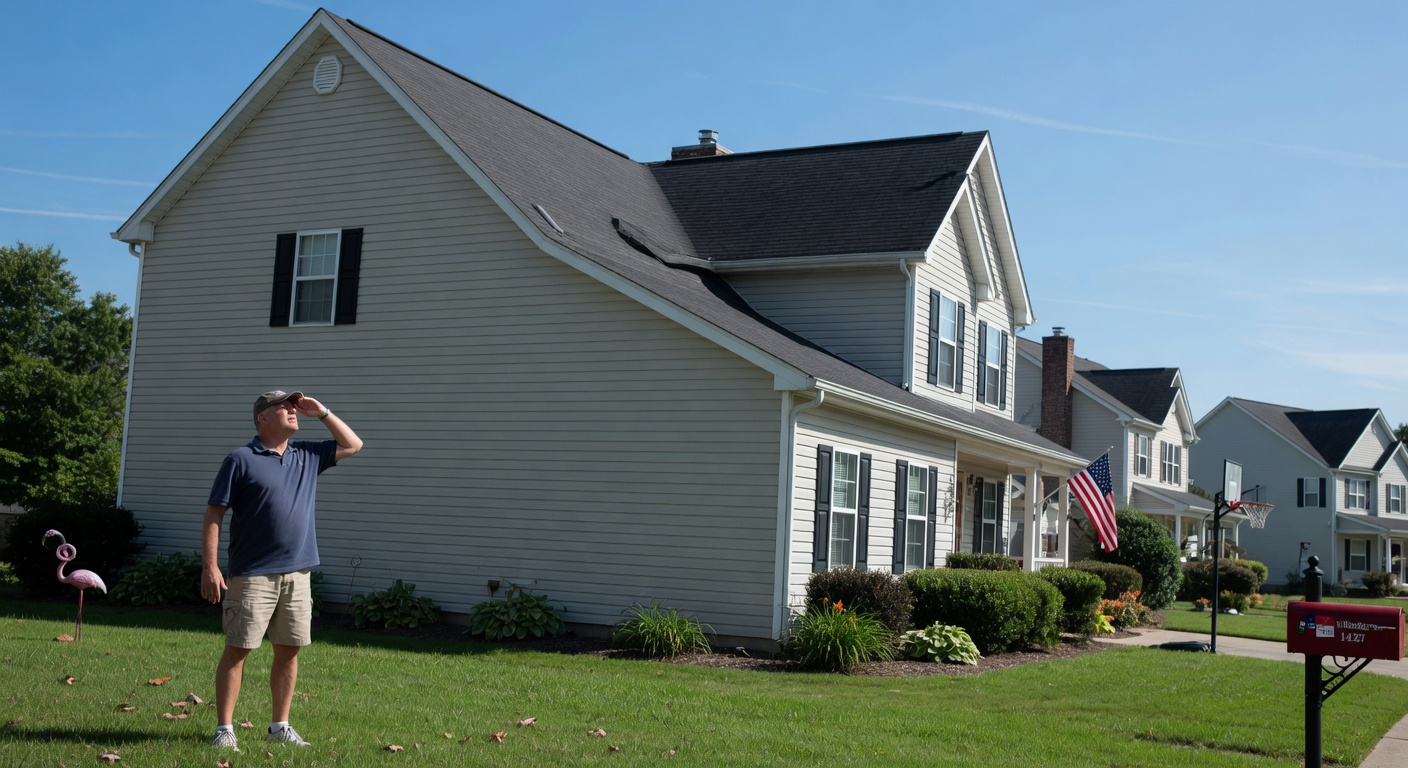
You can safely inspect your roof from the ground and look for these common signs of accelerated aging:
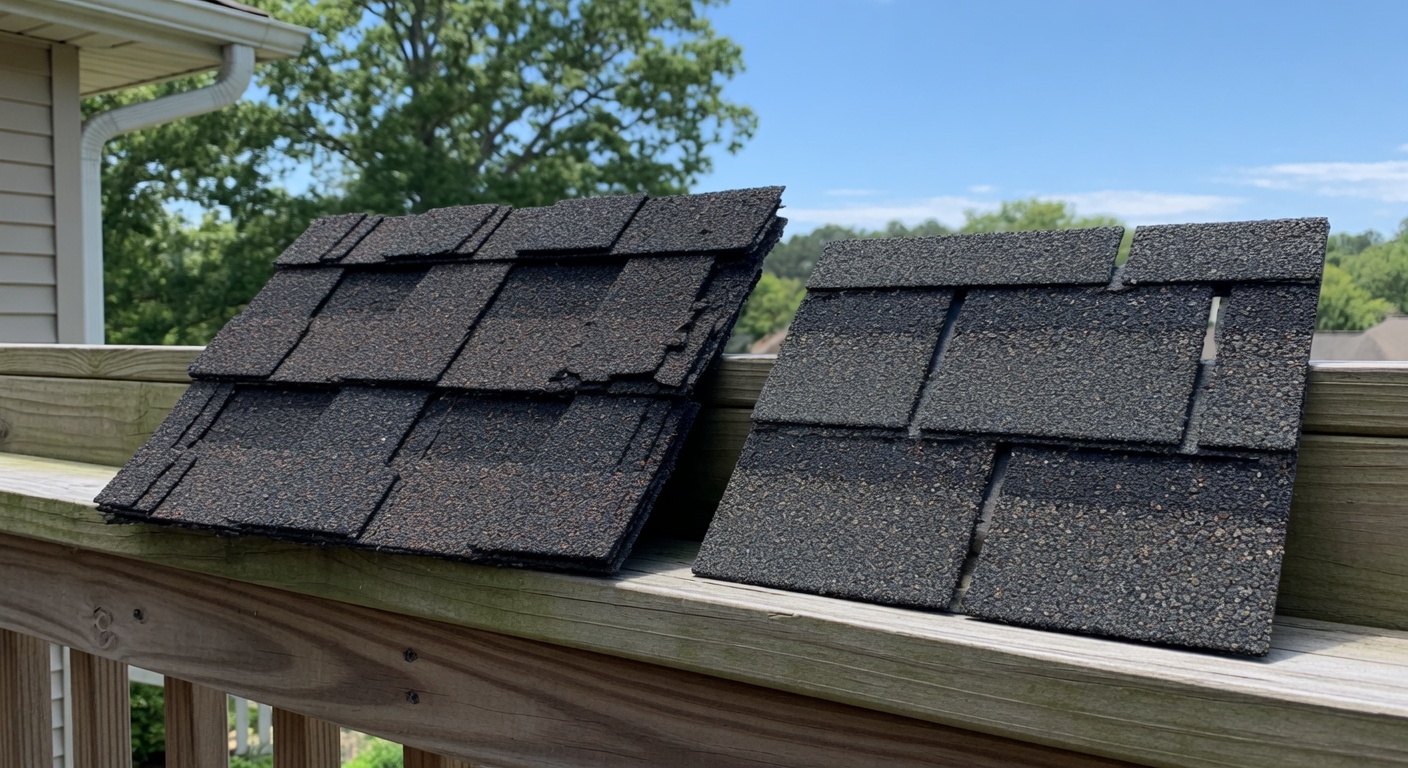
- Granule loss : Bare spots or granules collecting in gutters indicate the shingle surface is wearing thin.
- Curling or cupping shingles : Shingles that are curling at the edges or cupping upward are often dried out and nearing the end of their life.
- Black streaks or green patches : Algae or moss growth is common in our humidity, and while it's often cosmetic, heavy growth can trap moisture.
- Missing or loose shingles : A few missing here and there may signal wind damage or failing seals.
- Visible light in the attic : If you see daylight coming through roof boards from inside the attic, that's a sign of deterioration.
- Water stains on ceilings or walls : Leaks during heavy rain point to worn areas that need repair.
If you notice any of these, it doesn't automatically mean you need a full replacement, but it's a good reason to have a professional inspect the roof closely.
Maintenance steps that can help extend service life
You can take proactive steps to help your roof reach its full lifespan:
- Keep gutters clean : Clogged gutters cause water to back up under shingles and along fascia.
- Trim overhanging branches : This reduces debris buildup and allows sunlight to dry the roof faster after rain.
- Ensure proper attic ventilation : Good airflow reduces heat and moisture buildup, which can add years to shingle life. Check that soffit vents and ridge vents aren't blocked.
- Address minor repairs promptly : Replacing a few damaged shingles or resealing flashing now can prevent bigger problems later.
- Schedule periodic inspections : A professional can spot issues you might miss from the ground and recommend the right timing for repairs or replacement.
When ground-level checks indicate a professional inspection is needed
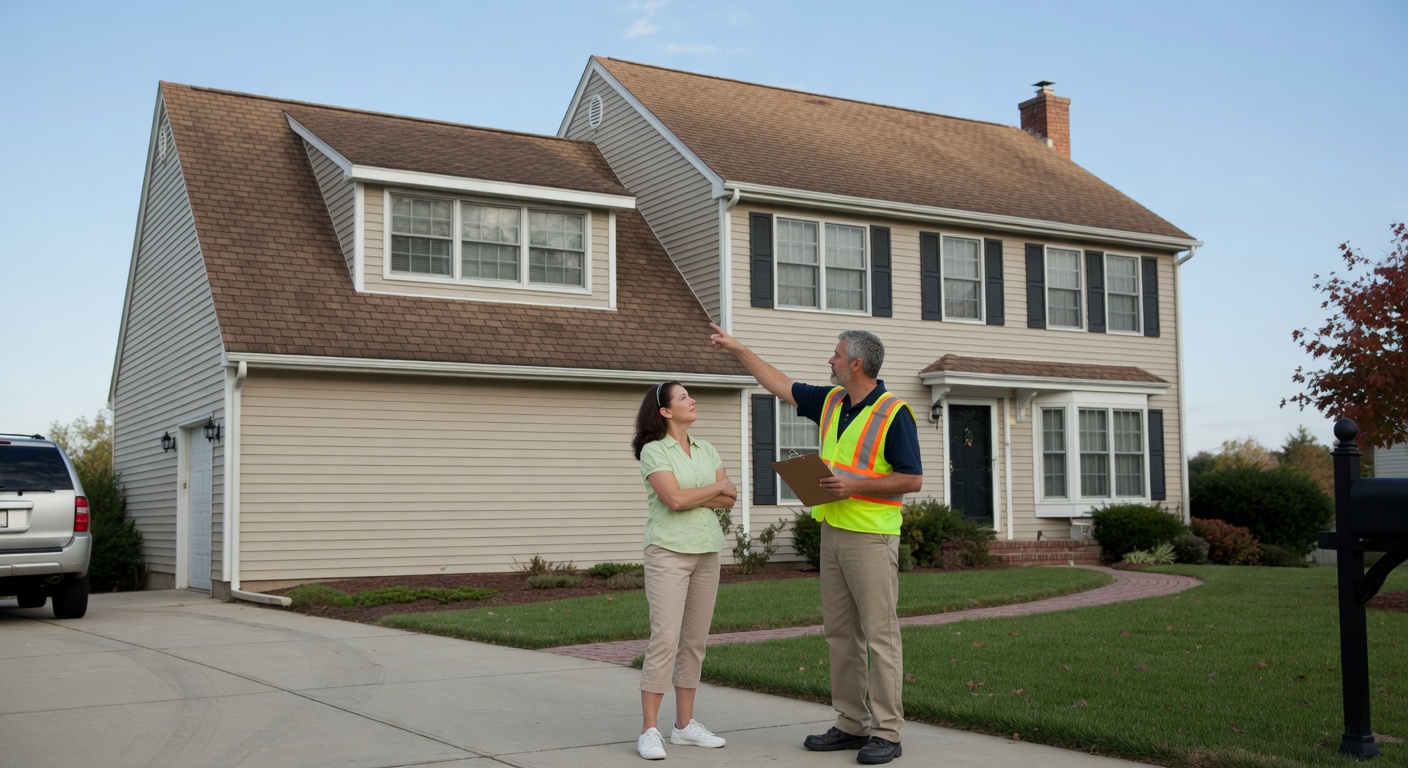
While you can keep an eye on your roof from the ground, some problems are only visible up close or in the attic. Consider requesting a professional roof inspection if:
- Your roof is 15 to 20 years old and you're not sure about its condition.
- You notice granules in your gutters or downspouts.
- You see any of the visible signs listed above.
- A recent storm with high winds or hail moved through your area.
- You're buying or selling a home and need a clear picture of roof condition.
- You've noticed a spike in energy bills or suspect attic ventilation issues.
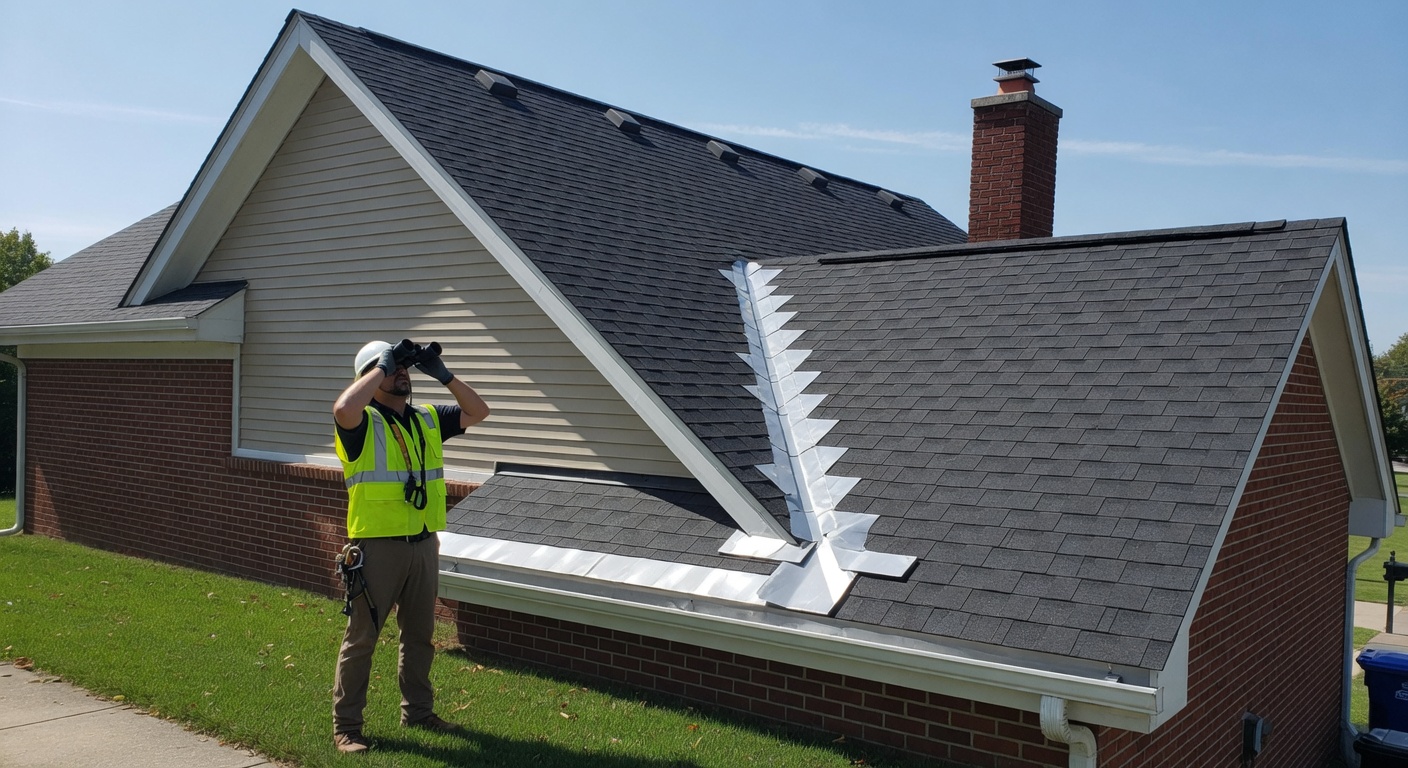
A thorough inspection typically includes checking shingles, flashing, pipe boots, valleys, vents, gutters, and attic ventilation. The inspector should provide a clear report of findings, photos, and recommendations—whether that's minor repairs, a full replacement, or a clean bill of health.
Remember: age alone is not a reason to replace a roof. Many roofs exceed their rated lifespan with good maintenance. And some fail earlier due to poor installation or repeated storm damage. The only way to know for sure is to have an honest, experienced roofer take a look.
At Morrisville Roofing Company, we help homeowners across the Triangle understand what their roof needs through thorough inspections and clear, practical advice. Contact us to schedule an inspection and get a straight answer about your roof's remaining life.
More Posts by Morrisville Roofing Company