How North Carolina Insurance Handles Roof Damage from Storms
How North Carolina Insurance Handles Roof Damage from Storms
If you’ve had a thunderstorm, hail, or high winds roll through the Triangle, you might be wondering whether your homeowners insurance will cover the damage. It’s a common question, and the answer is straightforward in some ways but depends on your specific policy. Let’s start with the key rule from the North Carolina Department of Insurance.
Direct answer on typical NC insurance coverage for roof storm damage
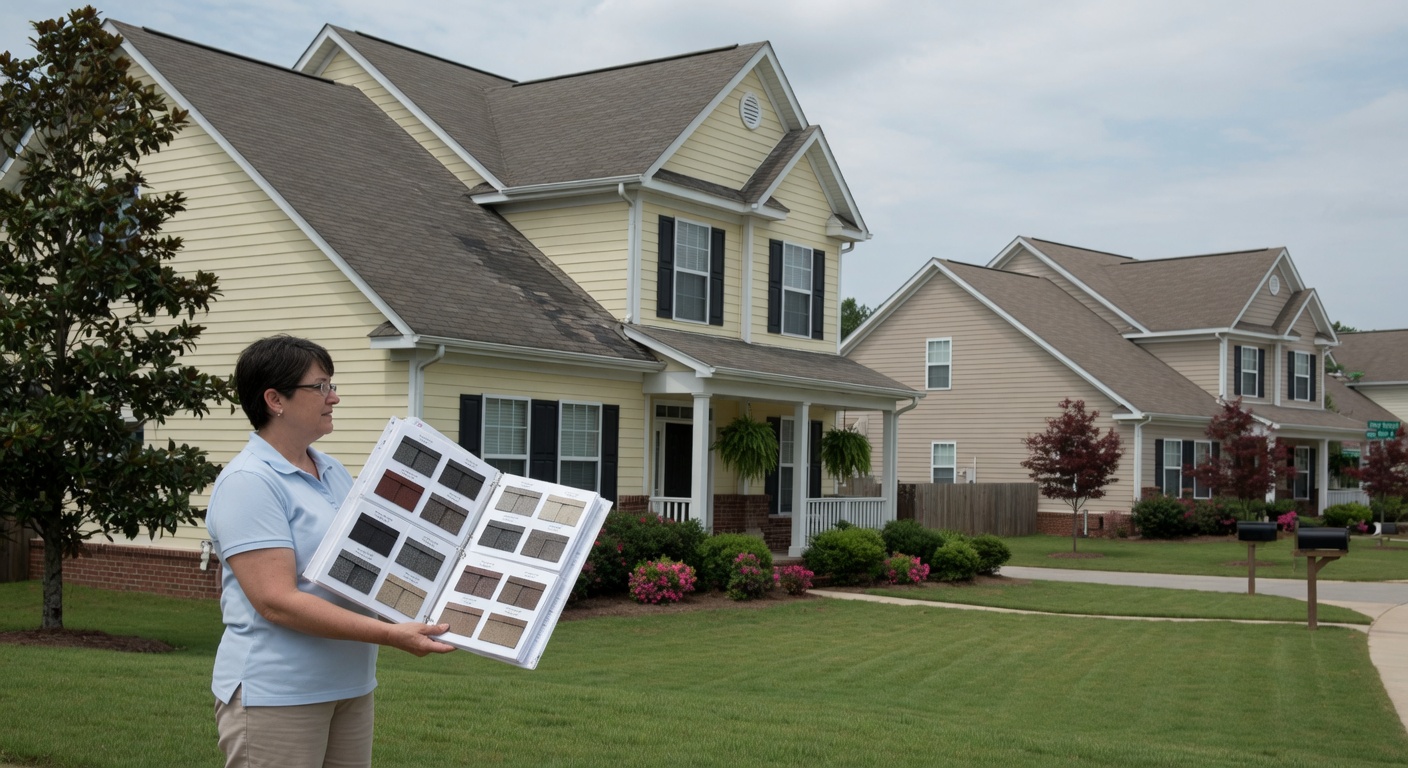
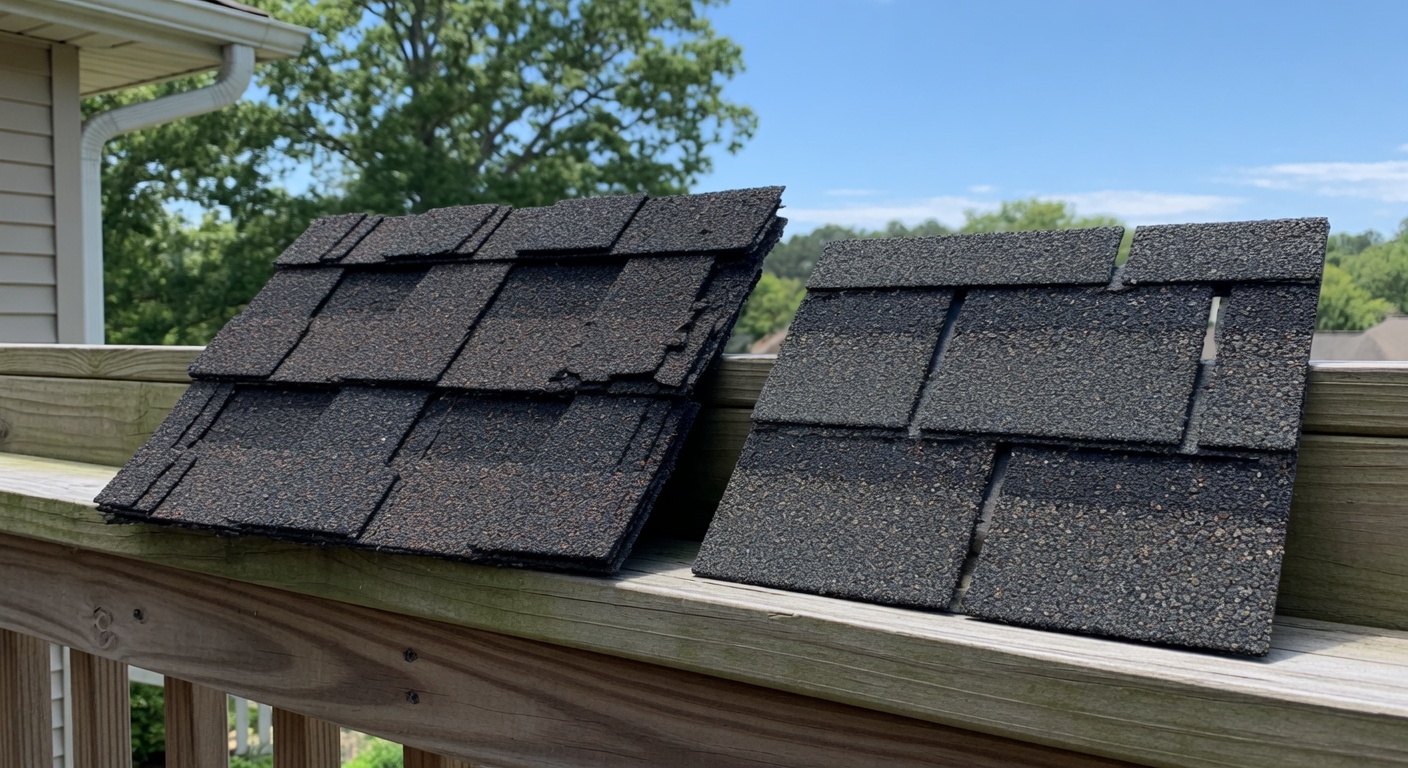
According to the North Carolina Department of Insurance, homeowners insurance covers direct physical damage from covered perils like wind, hail, or falling debris. However, the insurer only has to pay for repairing or replacing the damaged area—even if the new shingles don’t match the rest of the roof. Original shingles may be discontinued, so a perfect color match is not guaranteed.
This means if a storm damages a section of your roof, your insurance is not required to replace the entire roof. The scope of work is limited to the directly affected area.
Key factors that determine what is covered
Whether your claim is approved and how much you receive depends on several variables:
- Policy type and endorsements: Standard HO-3 policies typically cover wind and hail, but some policies may have separate deductibles or exclusions for windstorm or hail. Check your declarations page.
- Cause of damage: Sudden events like a tree limb falling during a storm, hail impact, or wind lifting shingles are usually covered. Gradual wear, age-related deterioration, or leaks from poor maintenance are not.
- Deductibles: You’ll pay your deductible first. Wind and hail deductibles are often a percentage of your dwelling coverage, not a flat amount.
- Age and condition of the roof: Older roofs may receive a reduced payout based on depreciation if you have actual cash value coverage rather than replacement cost.
Common homeowner misconceptions to avoid
- Myth #1: My insurance must replace the whole roof if shingles don’t match. The NC DOI says no. The insurer only owes for the damaged portion, even if the color or style no longer matches.
- Myth #2: Any storm damage automatically means a new roof. Not true. Coverage is limited to the specific area damaged, and the adjuster will determine what qualifies.
- Myth #3: Homeowners insurance covers flood damage. Standard policies exclude rising water. Flood insurance requires a separate policy through FEMA.
- Myth #4: I should file a claim for every small issue. Frequent claims can raise your rates or lead to non-renewal. Consider whether the damage exceeds your deductible and is worth documenting.
Safe steps to document visible damage from the ground
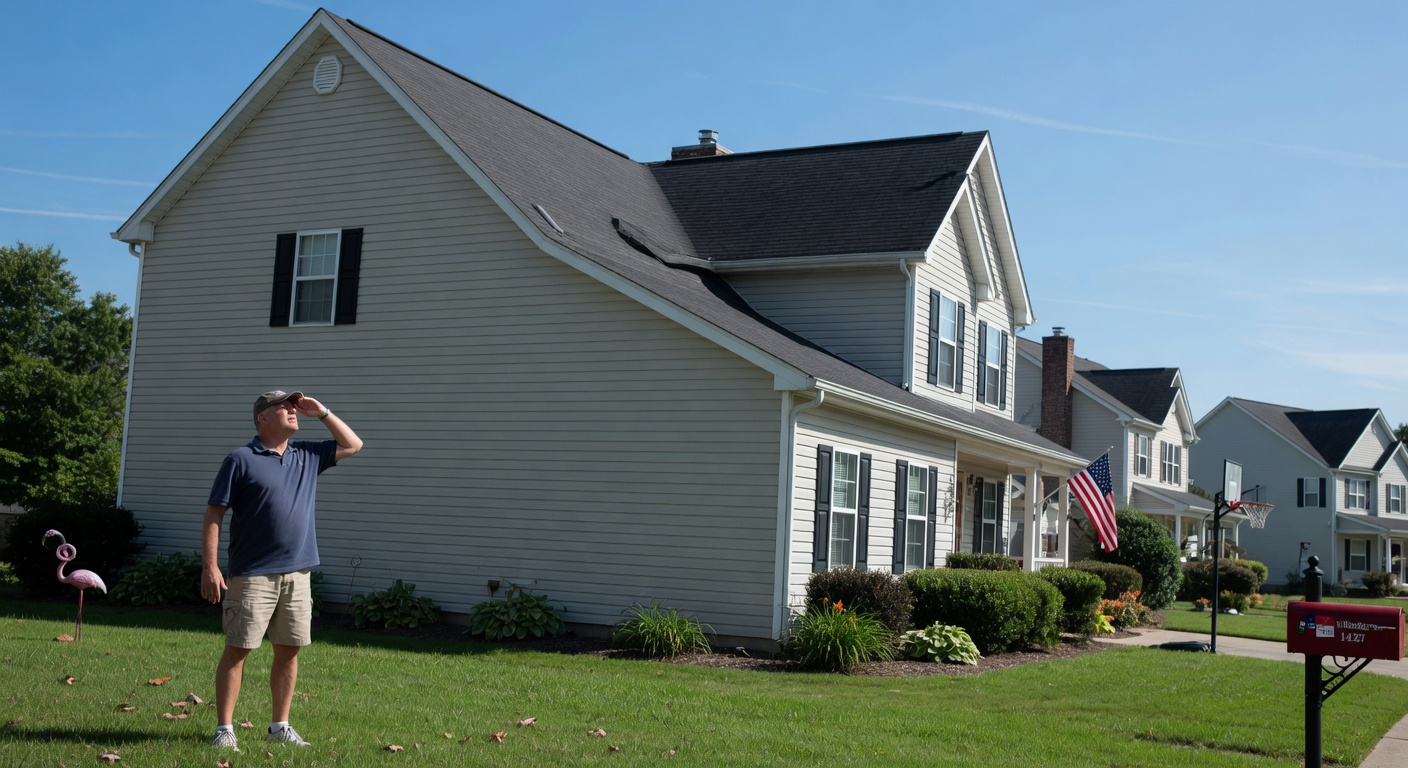
If you suspect your roof was damaged, you can safely observe and document from ground level. Never climb onto a roof, especially after a storm when surfaces may be slippery or unstable.
- Look for missing, lifted, or curled shingles.
- Check for dents or bruising on shingles (hail hits often leave dark spots or lose granules).
- Inspect gutters and downspouts for granules or debris.
- Note any fallen branches or debris that may have struck the roof.
- Take photos from the ground showing the overall roof and any visible issues.
These observations can help you decide whether to call your insurance company. But remember, adjusters rely on their own inspection, and ground observations alone can’t reveal all damage.
When a professional inspection adds clarity
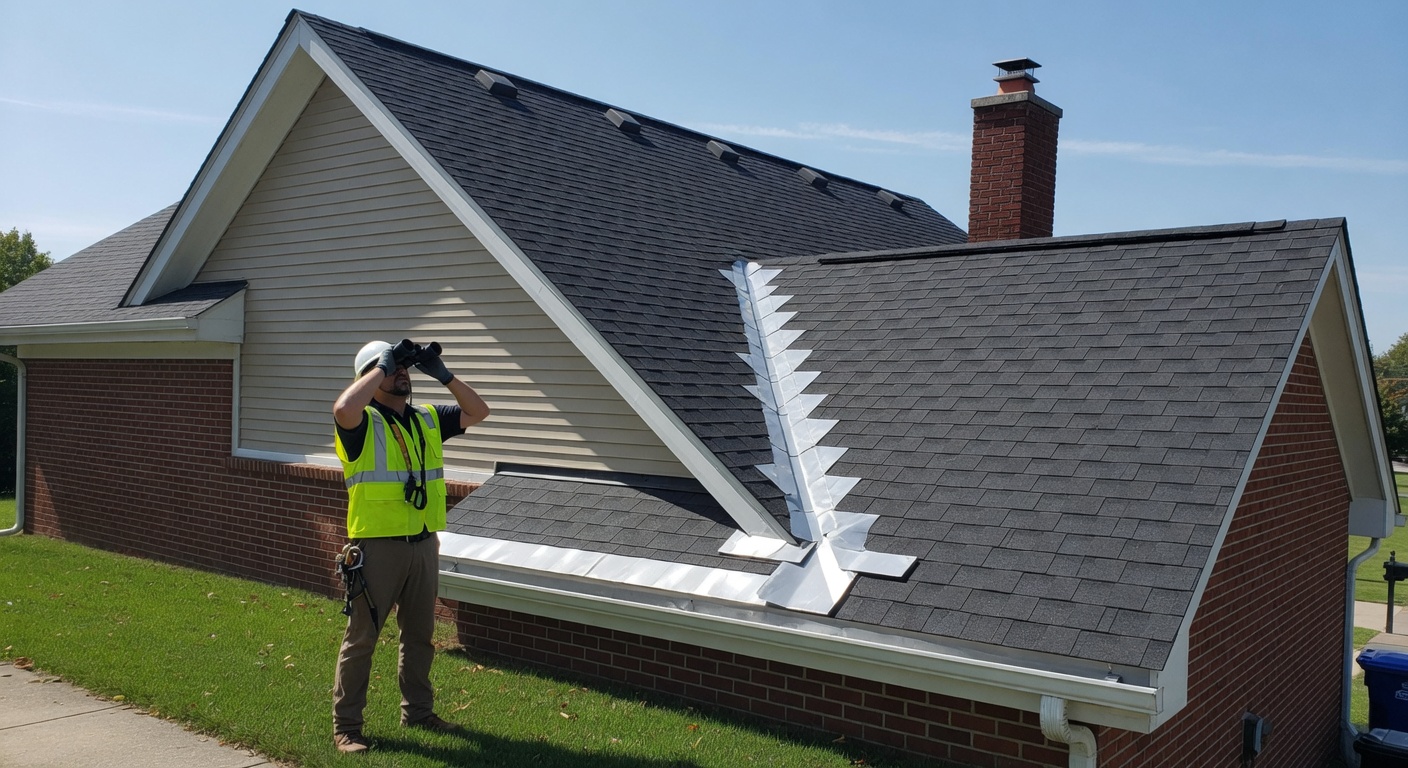
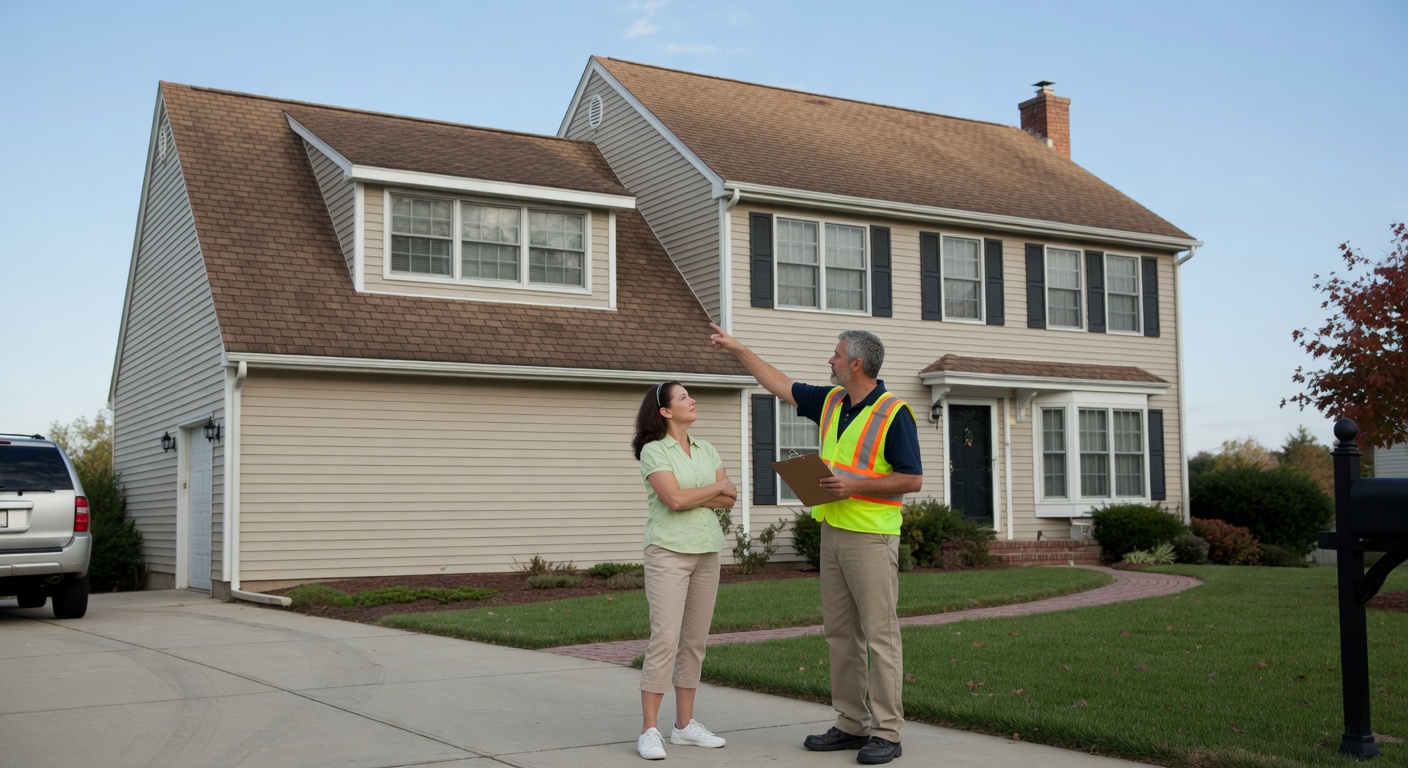
A professional roof inspection provides documentation that can support a claim. A licensed roofer can identify hidden damage like lifted flashing, cracked pipe boots, or valley issues that aren’t visible from the ground. They can provide written notes and photos that you can share with your adjuster.
However, never assume that having an inspection or a report guarantees coverage. The final decision rests with your insurance company based on your policy and their adjuster’s findings.
Next steps for Triangle homeowners
If you’ve experienced a storm and are unsure about roof damage, here’s a practical path:
- Document safely from the ground and note the date and type of storm.
- Review your policy to understand coverage, deductibles, and claim filing deadlines.
- Contact your insurance agent if you believe there is significant damage.
- Schedule a professional storm damage roof inspection to get an unbiased report on your roof’s condition.
At Morrisville Roofing Company, we help Triangle homeowners get clear answers about their roof’s condition after storms. Our inspections are thorough, and we provide documentation you can use when discussing next steps with your insurer. No pressure, just practical information.
More Posts by Morrisville Roofing Company