Roof Valley Leaks in Morrisville NC: Causes and What to Check from the Ground
Roof Valley Leaks in Morrisville NC: Causes and What to Check from the Ground
Roof valleys are the channels where two roof planes meet, and they are a common source of leaks during heavy rain in Morrisville. If you have seen a water stain on your ceiling after a downpour, you might worry your whole roof is failing. But the problem is often localized, and roof valleys are a common culprit, especially on homes with intersecting rooflines.
This article explains why valleys fail, how you can check for signs from the ground, and when it makes sense to call for a roof inspection in Morrisville.
Why roof valleys are common leak points in Morrisville homes
Morrisville's housing stock includes many homes built in the 2000s, often in planned communities with complex rooflines. These homes may have multiple intersecting roof planes, meaning more valleys. Each valley concentrates water from a large area into a narrow path. When the flashing, underlayment, or shingles at that intersection are compromised, water finds its way inside. This is especially common after the heavy rain and wind-driven rain typical of Triangle thunderstorms.
Typical causes of valley failures
- Underlayment breakdown: Older valleys may have low-grade underlayment that degrades from heat and moisture.
- Flashing issues: Metal flashing can corrode, pull loose, or be installed incorrectly from the start.
- Debris accumulation: Leaves and pine needles trap moisture against the valley, accelerating wear and blocking water flow.
- Wind-driven rain: Strong winds during Wake County storms can force water under shingles at valley edges.
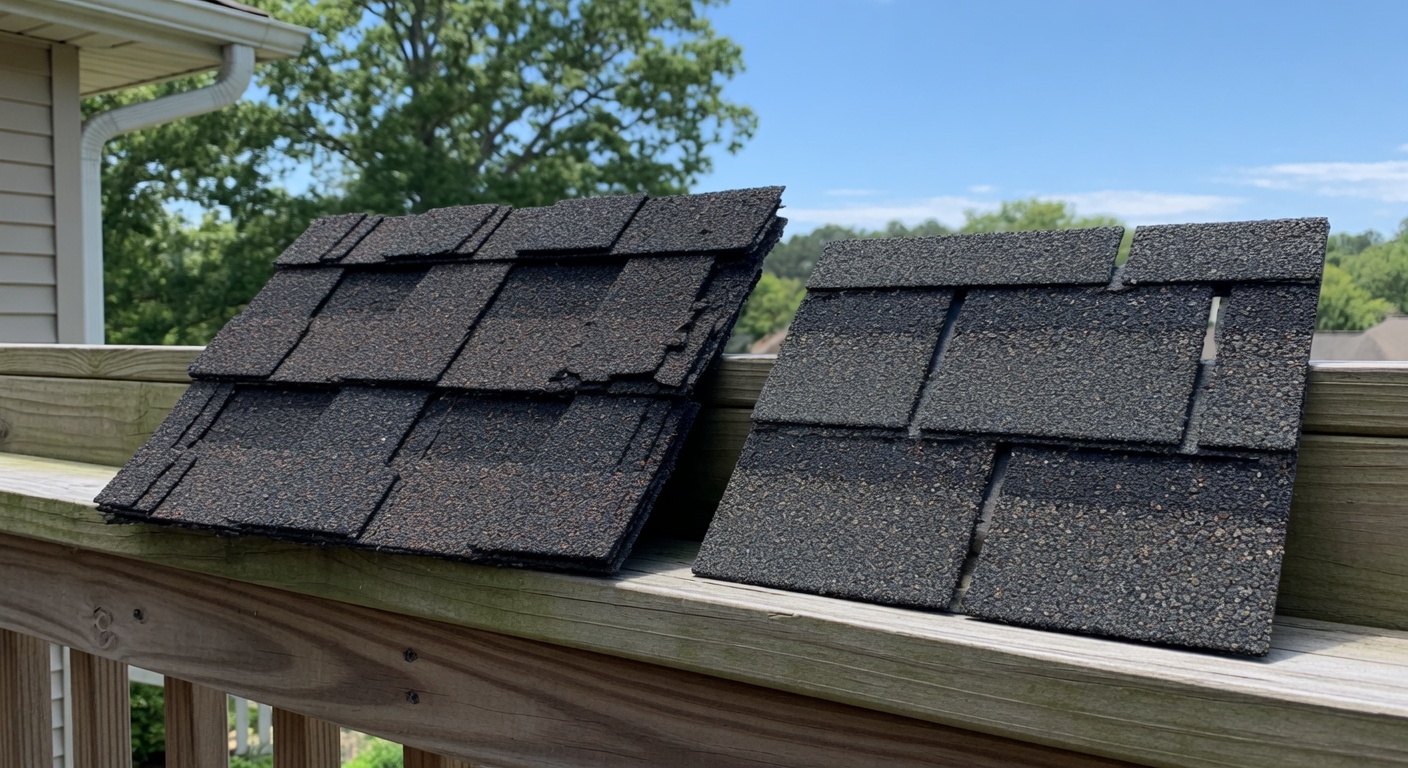
- Shingle damage: Curling, cracking, or granule loss near the valley line reduces protection.
What homeowners can safely observe from the ground
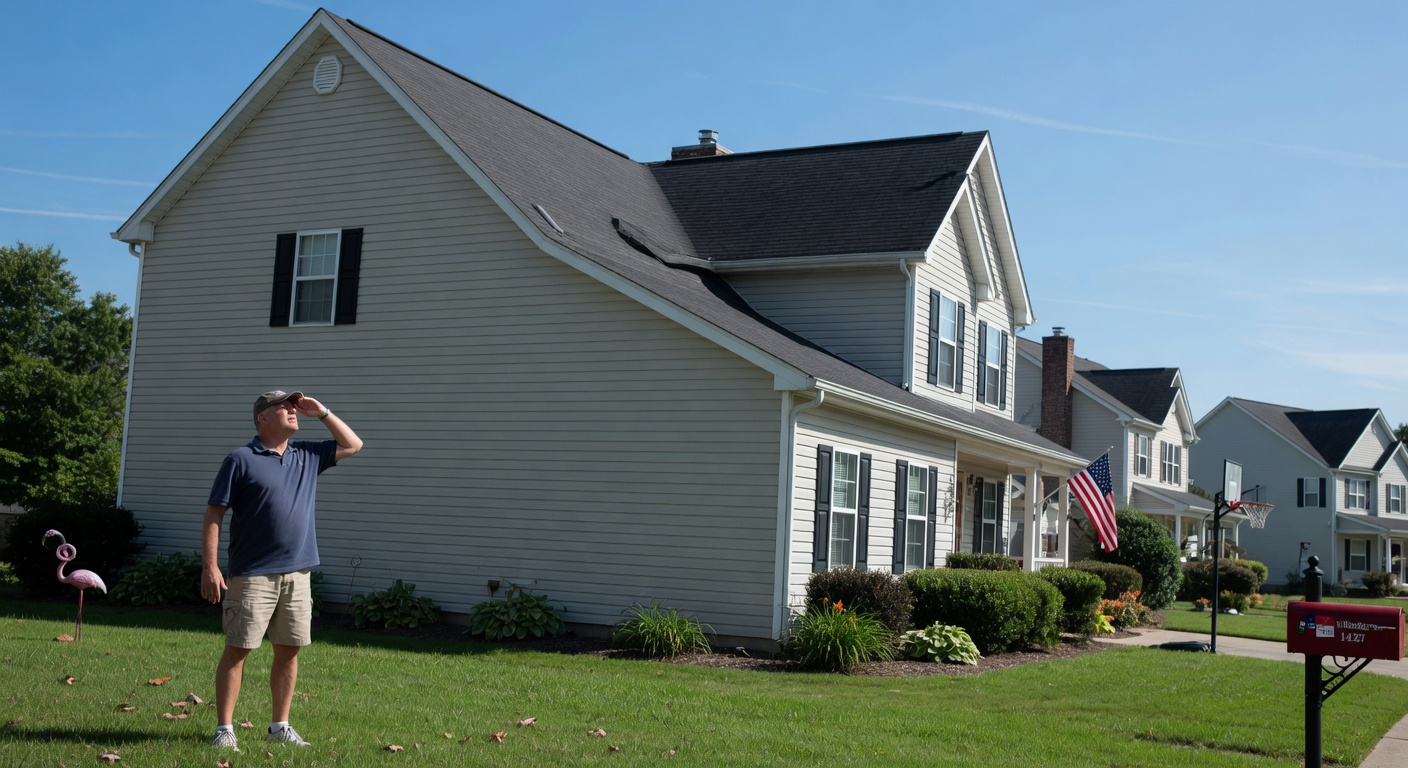
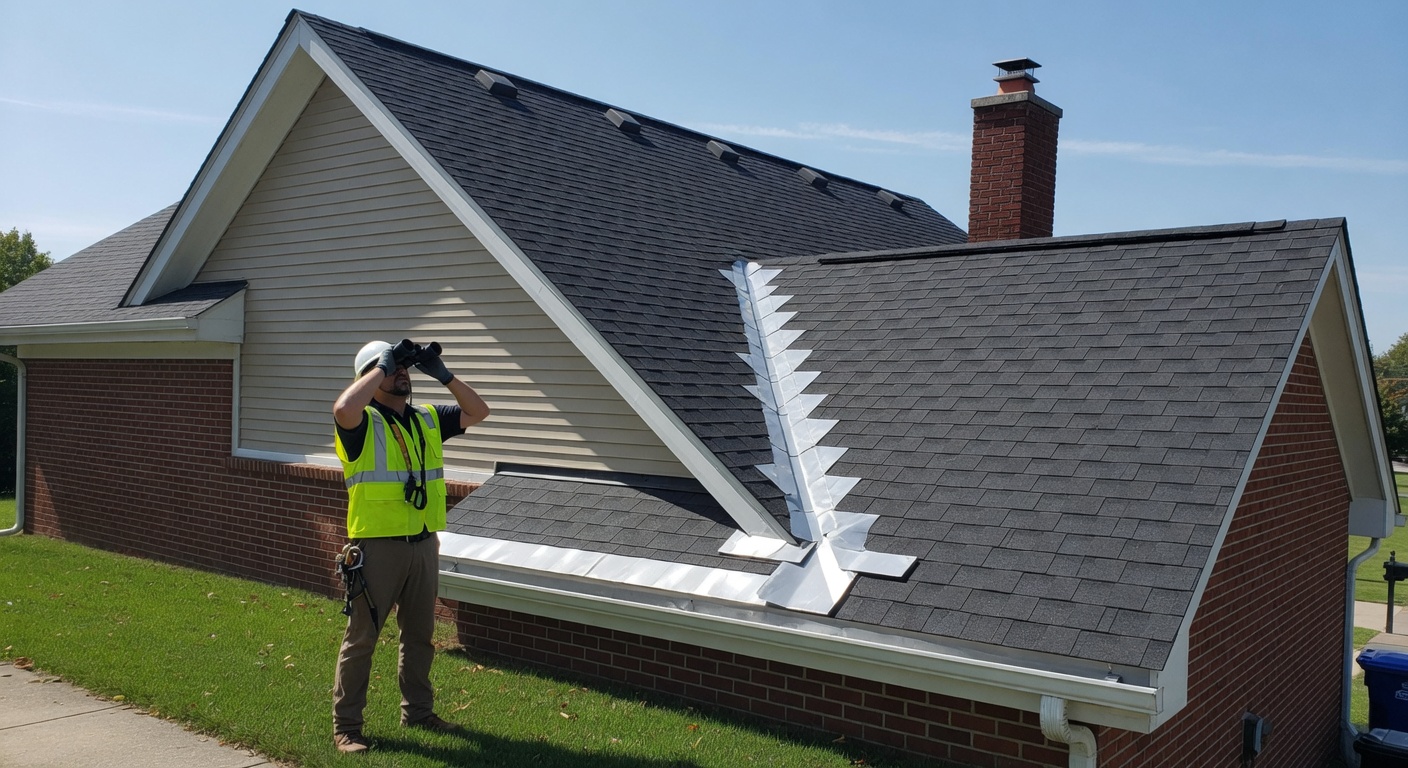
You do not need to climb onto the roof. From the ground or with binoculars, you can check for these signs:
- Ceiling stains: Water stains on interior ceilings or walls that follow a valley line.
- Granule loss in gutters: Excessive granules in gutters or downspouts below valleys may indicate shingle wear.
- Debris on roof: Piles of leaves or pine needles along valley lines.
- Visible shingle issues: Lifted, curled, or missing shingles near the valley if visible from the ground.
- Gutter overflow during rain: If gutters are clogged above a valley, water may back up.
Document what you see and note if leaks happen only during heavy rain. This information helps a professional inspection.
When professional inspection adds clarity
Many valley issues cannot be fully assessed from the ground. A professional storm damage inspection can identify hidden problems. Here is when it makes sense:
- You have an active leak or visible interior damage.
- Your roof is an original 2000s-era roof or showing signs of age on a Morrisville home.
- You notice granules in gutters or other signs of wear.
- A recent storm passed through with high winds, hail, or heavy rain.
- You are unsure whether the leak is from the valley or another source.
Repair considerations versus full replacement
Not every valley leak means you need a new roof. If the damage is isolated to the valley area and the rest of the roof is in good condition, repair may be practical. However, factors like roof age, extent of damage, leak history, and HOA guidelines affect the decision. An honest inspection report should explain your options without pressure.
For more on deciding between repair and replacement, see our roof repair page. If you are dealing with storm damage, check our storm damage guide.
If you suspect a valley leak or want a calm, evidence-based assessment, contact Morrisville Roofing Company to schedule an inspection. We will help you understand what is happening and what makes sense for your home.
More Posts by Morrisville Roofing Company