Are pipe boots causing your roof leak? What Morrisville homeowners should know
Are pipe boots causing your roof leak? What Morrisville homeowners should know
If you've noticed water stains on your ceiling during heavy rain, especially near a bathroom or kitchen, a failing pipe boot could be the reason. Pipe boots — the rubber or neoprene seals around plumbing vent pipes where they poke through your roof — are one of the most common sources of roof leaks on asphalt shingle roofs. In Morrisville's humid climate and with many homes built in the 2000s, original pipe boots may now be degrading even when the rest of the roof looks fine. Understanding what to check from the ground can help you decide whether a simple repair or a broader inspection is the right next step.
Quick answer: Can a pipe boot cause a roof leak?
Yes. Pipe boots fail over time as the rubber seal dries out, cracks, or shrinks from UV exposure and temperature swings. When heavy rain hits, water can run down the vent pipe and into your attic or ceiling. The good news is that a leaking pipe boot does not automatically mean your entire roof needs replacement. It often can be repaired if caught early and if the surrounding roof is in good condition.
What roof pipe boots do
Every home has plumbing vents that extend through the roof to allow sewer gases to escape and provide drainage for fixtures. Where the vent pipe penetrates the roof deck, a flashing component called a pipe boot (or pipe flashing) seals the gap. The base is usually metal or plastic, and the collar that wraps around the pipe is made of rubber or neoprene. This flexible collar expands and contracts with temperature changes while keeping rainwater out. On asphalt shingle roofs, pipe boots are installed between shingle courses and nailed in place.
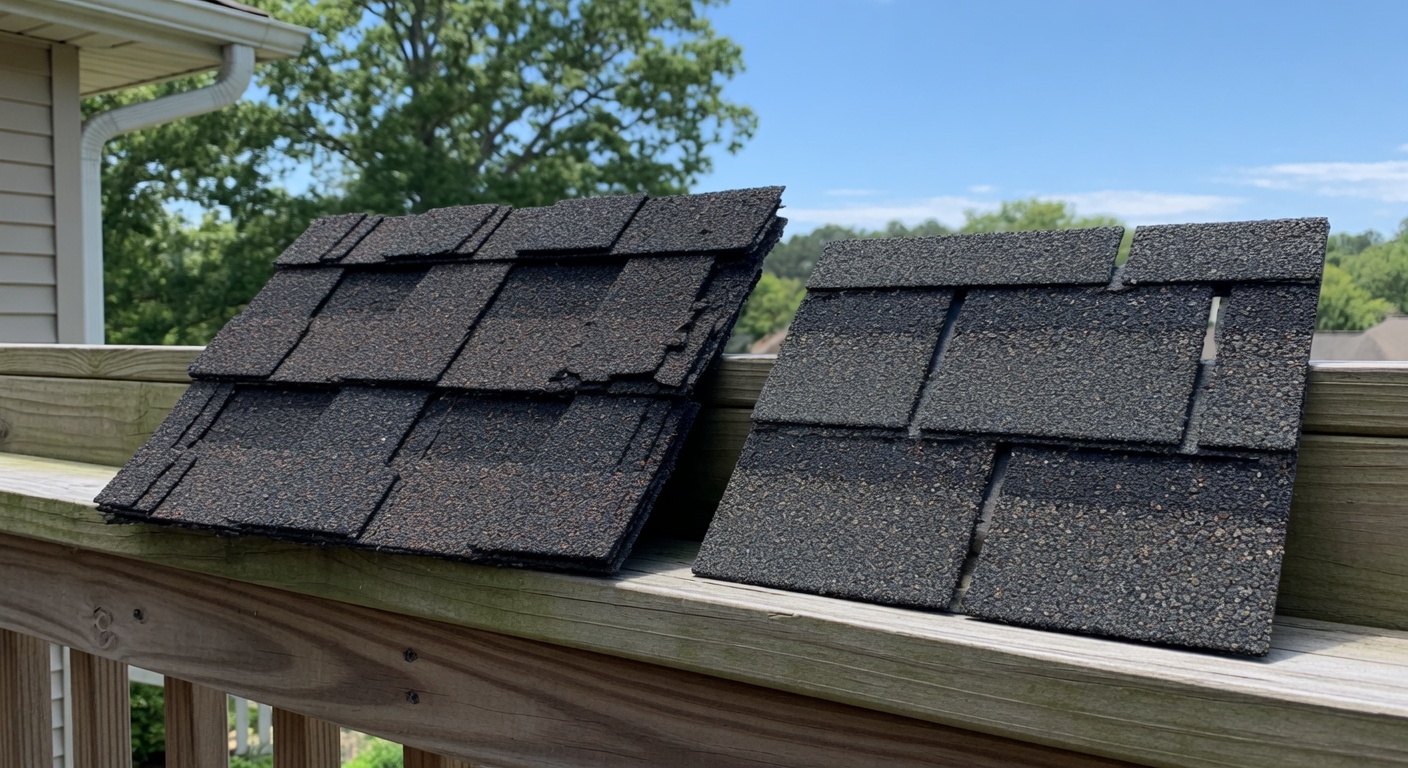
Over time, the rubber collar becomes brittle and loses its ability to seal tightly against the pipe. Even a small gap can let water through during wind-driven or heavy rain — the kind of storms that are common in the Triangle.
Why pipe boots fail in Morrisville's climate
Morrisville's weather accelerates rubber degradation in several ways:
- UV radiation: Intense summer sun breaks down rubber molecules, causing surface cracking.
- Temperature swings: Hot days and cool nights (especially in spring and fall) make the rubber expand and contract repeatedly, leading to fatigue.
- Humidity: Persistent moisture can accelerate chemical breakdown of the rubber compound.
- Heavy rain and thunderstorms: The Wake County area sees frequent thunderstorm activity, often with heavy downpours. These events create the water volume and wind pressure that push water past a failing seal.
Many Morrisville homes built in the 2000s now have pipe boots that may be approaching or past the typical service life range for the rubber components, even while the asphalt shingles themselves remain serviceable.
Signs you can spot from the ground or attic
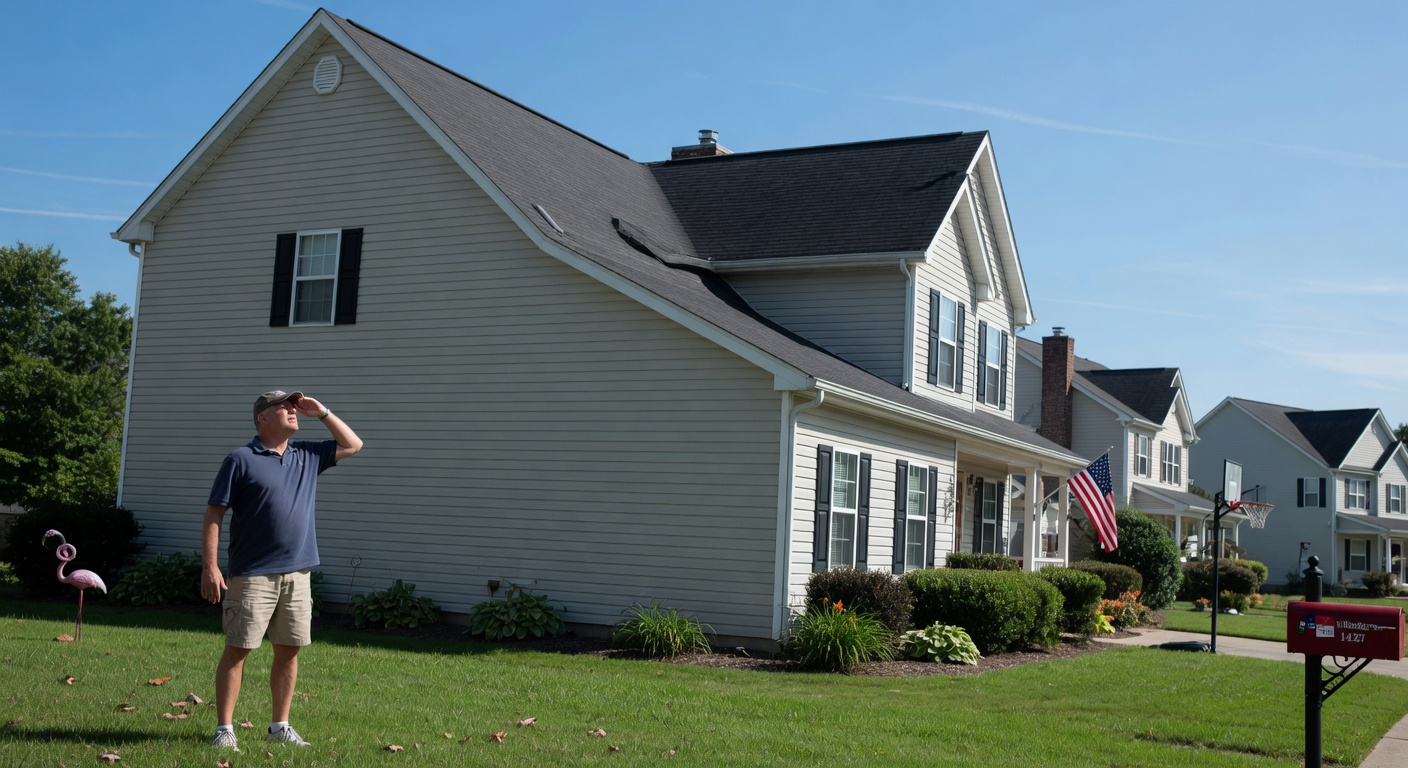
You don't need to climb onto your roof to gather useful information. Look for these indicators from a safe vantage point:
Inside your home
- Water stains on ceilings or walls directly below a bathroom, kitchen, or laundry room. This is often the first clue.
- Wet insulation or musty odors in the attic near a vent pipe.
- Mold or mildew around attic penetrations.
- Dripping water during heavy rain — if you can safely enter the attic, you may see water running down the pipe.
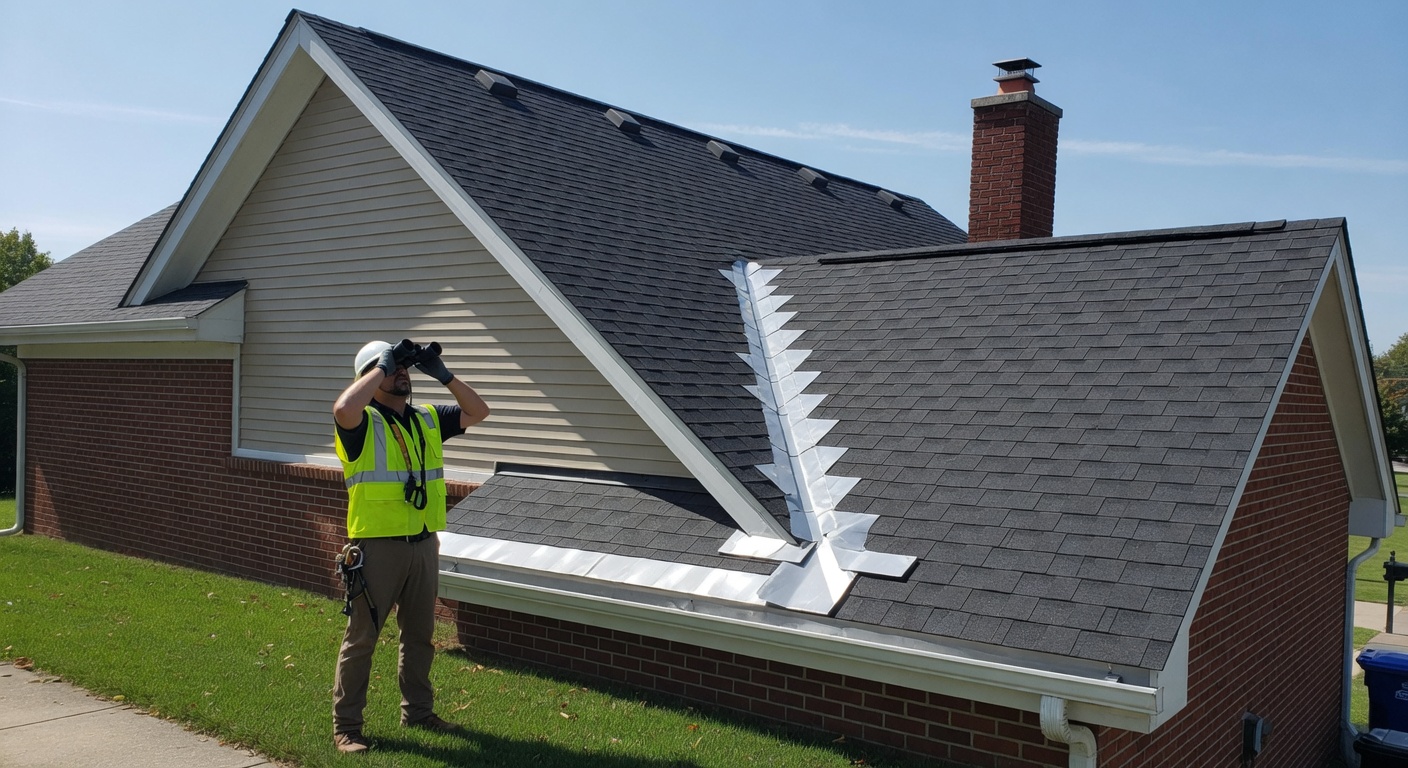
From the ground (using binoculars if needed)
- Visible cracks or missing chunks in the rubber collar around a vent pipe.
- Gaps between the rubber and the pipe.
- Lifted or curled edges of the base flashing.
- Discoloration or blistering on the rubber — signs of advanced UV damage.
- Algae streaks or debris accumulation around the boot, which can trap moisture.
Important: Never climb onto a roof yourself. If you can't see clearly from the ground or attic, a professional can inspect safely using proper equipment.
How pipe boots compare to other common leak sources
Pipe boot leaks share some similarities with other leak types, but have distinct patterns:
- Flashing failures at walls or chimneys often produce water stains that spread laterally across a ceiling rather than directly under a pipe.
- Valley leaks typically show up on ceilings below where two roof planes meet.
- Damaged shingles may cause random drips during rain, but the stain won't be centered under a vent pipe.
- Pipe boot leaks tend to appear only during or after rain , especially heavy rain, and the water entry point is directly around the vent pipe.
Because multiple leak sources can mimic each other, a professional inspection is often the best way to confirm the cause before deciding on a repair plan.
When a professional inspection makes sense
While some pipe boot issues are easy to spot, others require a closer look. Consider scheduling a roof inspection in Morrisville if:
- You see active water stains or dripping during rain.
- You notice cracked or deteriorated rubber on visible pipe boots.
- The roof is 15 years or older and has original pipe boots.
- You've had previous leaks or repairs near vent pipes.
- You're planning to sell your home and want to document roof condition.
A thorough inspection will check not only the pipe boots but also the flashing at other penetrations (like vents, skylights, and chimneys), the condition of shingles, and attic ventilation — all factors that affect where water may enter.
Repair or replace: What changes the answer
A single failing pipe boot does not necessarily mean you need a new roof. The right approach depends on several factors:
- Age and condition of the surrounding shingles: If the shingles are still in good shape, a localized repair (replacing the boot) is often sufficient.
- Number of failing boots: If multiple boots are cracked, it may indicate widespread rubber degradation. Replacing several now can prevent future leaks.
- Presence of other issues: If the inspection reveals additional concerns like damaged decking, poor ventilation, or widespread shingle wear, a full replacement might be more cost-effective long term.
- Leak history: Repeated leaks around penetrations may suggest a systemic problem, not just a single boot.
Every situation is different. The goal is not to replace your roof unnecessarily, but to address the actual source of water entry while considering the roof's overall life expectancy.
Next steps
If you suspect a pipe boot leak or want to rule out other causes, the safest move is to have a professional evaluate your roof. A licensed roofer can safely access the roof, inspect all penetrations, document findings with photos, and explain your options — whether that means a simple boot replacement, a more extensive repair, or planning for a future replacement.
At Morrisville Roofing Company, we help homeowners understand what their roof actually needs. If you're concerned about a possible pipe boot leak or want a thorough inspection, contact us to talk through your situation. No pressure, just clear information and practical next steps.
More Posts by Morrisville Roofing Company