Roof Flashing Repair in Morrisville: What It Is, Why It Fails, and When to Call a Professional
Roof flashing is a critical but often overlooked part of your home's roofing system. These thin pieces of metal — usually aluminum, galvanized steel, or copper — are installed at the most vulnerable points of your roof: at chimneys, walls, dormers, skylights, vents, and roof valleys. Their job is simple: divert water away from these joints and keep it from seeping into your home. In Morrisville's hot, humid summers and during heavy thunderstorms, flashing works hard, and when it fails, it's often the culprit behind those mysterious ceiling stains.
What is roof flashing and why does it matter?
Roof flashing acts as a barrier at roof intersections and penetrations. Without it, water would easily leak into the gaps where different roof planes meet or where objects like chimneys and vents poke through. The North Carolina State Building Code requires corrosion-resistant flashing at all roof-wall intersections, changes in slope, and around roof openings. This means your Morrisville home — whether it's a detached house, townhome, or part of a planned community — has flashing at these critical points. Properly installed flashing directs water down the roof and away from seams, preventing rot, mold, and interior damage.
Common types of roof flashing you may have on your Morrisville home
Not all flashing looks the same. Different areas need different types:
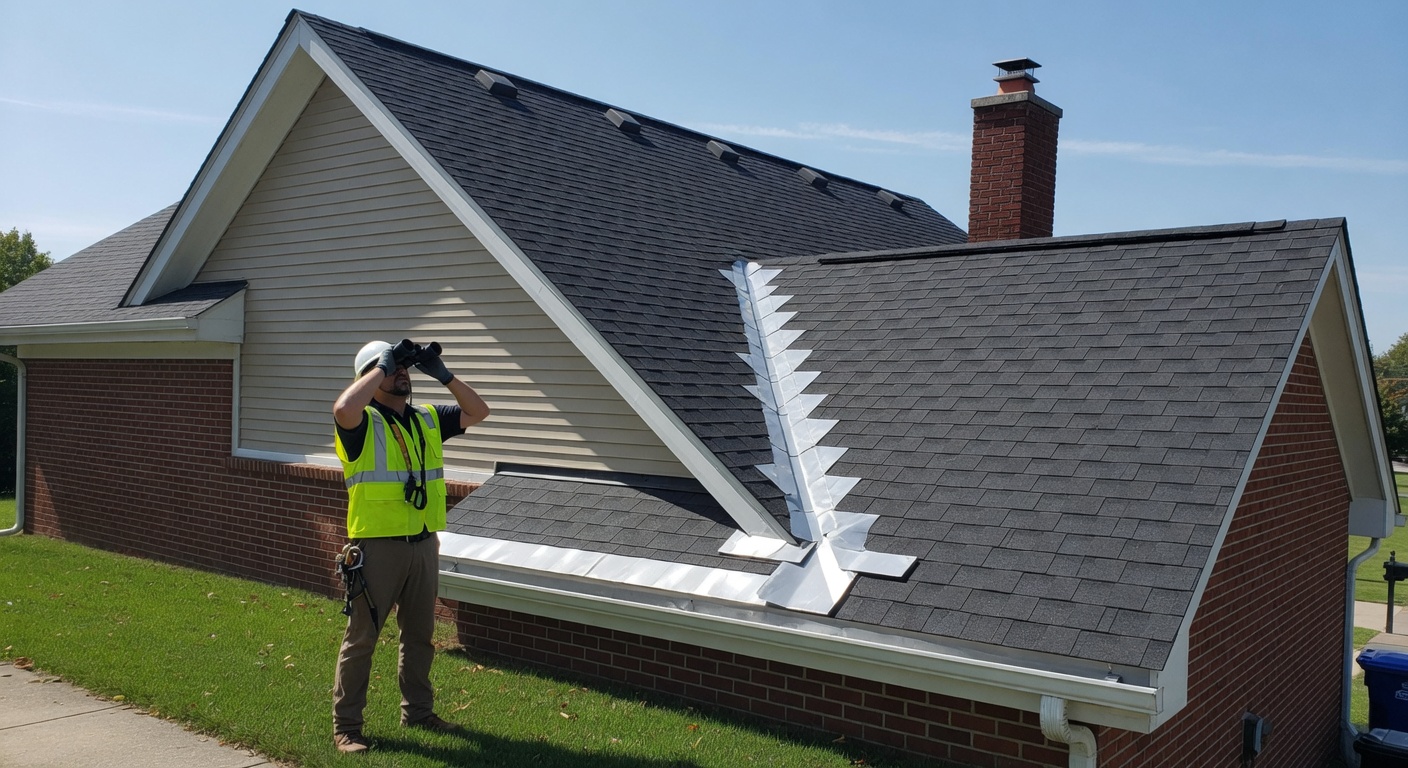
- Step flashing: Rectangular pieces interwoven with shingles at sloped walls or dormers. Common on Morrisville homes with dormers or attached garages.
- Counter flashing: Embedded into masonry (like a chimney) and folded down over step flashing to create a watertight seal.
- Kick-out flashing: Installed at the bottom of a roof-wall intersection to divert water away from the wall — often missing or poorly installed, leading to siding damage.
- Chimney flashing: A combination of step and counter flashing around the chimney base.
- Pipe boot flashing: Pre-formed rubber or metal collars around vent pipes.
- Valley flashing: Continuous metal in roof valleys where two planes meet.
Why flashing fails in Morrisville's heat, humidity, and storms
Morrisville's climate is tough on roofing components. Here's why flashing is especially vulnerable:
- Thermal expansion: Hot summer days heat the metal, causing it to expand. At night it cools and contracts. Over time, this movement can loosen fasteners or separate joints.
- UV exposure: Constant sun degrades rubber pipe boots and can weaken sealants.
- Moisture and humidity: Our humid summers promote corrosion, especially on cheaper aluminum or improperly flashed areas.
- Wind-driven rain: Wake County thunderstorms often bring slanting rain that tests the weakest points.
- Age: Many Morrisville homes built in the 2000s now have original flashing entering its second decade — a common time for failures to start.
- Poor installation: If kick-out flashing or step flashing was shortcuts during construction, leaks show up later.
Signs your roof flashing may need attention (what you can check from the ground)
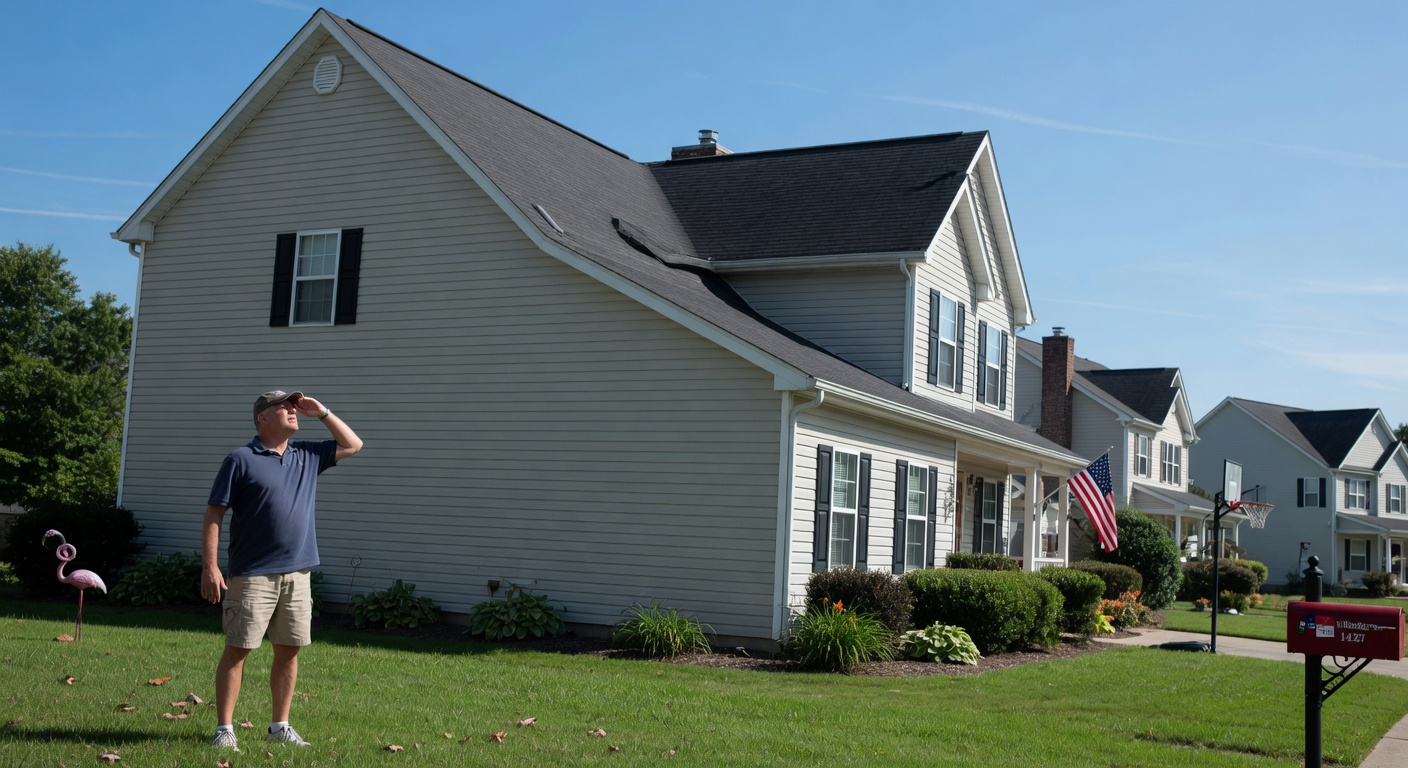
You don't need to climb onto your roof to spot potential flashing problems. From the ground, look for:
- Interior water stains on ceilings or walls near a chimney, dormer, or exterior wall. Stains that appear or darken after heavy rain point to a flashing leak.
- Visible rust, corrosion, or discoloration on metal flashing components, especially at base of chimney or roof-wall intersections.
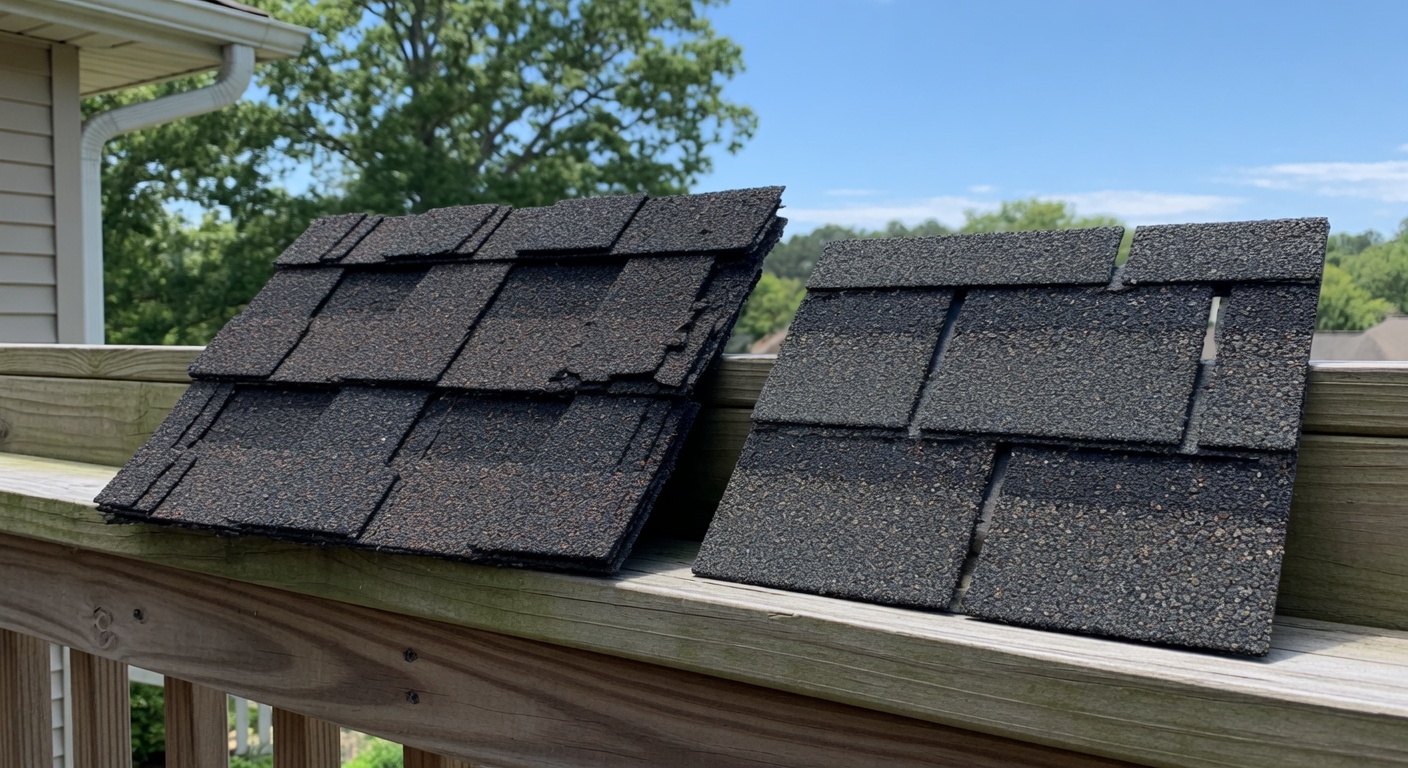
- Gaps or lifted edges where flashing meets the roof or wall. Shingles that are curled or missing near flashing.
- Deteriorated mortar on chimney where counter flashing is embedded.
- Mold, mildew, or rotting fascia near roof edges.
- Granules or debris in gutters directly below flashing areas.
If you notice any of these, it's time to schedule a roof inspection in Morrisville. Never climb onto a roof to inspect closely — steep slopes, wet surfaces, and loose materials make it dangerous and unreliable.
Can roof flashing be repaired, or does it need to be replaced?
It depends on the extent of damage. Localized failures — like a single gap in step flashing or a cracked pipe boot — can often be repaired. A roofer can reseal, replace a small section, or re-anchor loose pieces. However, if flashing is widespread corroded, has been incorrectly installed, or if surrounding decking or shingles are compromised, replacement might be more practical. Sometimes flashing replacement is done alongside a new roof. The key is getting an accurate assessment. A professional can distinguish between a quick fix and a bigger issue. If you're considering repair, learn more about our roof repair services.
When to call a roofing professional for a flashing inspection
Consider a flashing inspection:
- After a severe storm or heavy wind event in the Triangle area.
- If you notice interior stains on ceilings or walls near chimneys, dormers, or exterior walls.
- When buying or selling a home — a flashing check is part of a thorough storm damage roof inspection or general roof inspection.
- If your roof is older, especially if it's the original roof on a 2000s-era home.
- If you've had past leaks or repairs and want to confirm the fix is holding.
How regular roof inspections help catch flashing issues early
An annual or bi-annual roof inspection can identify flashing issues before they cause interior damage. A roofer will check all penetrations, re-seal any loose joints, and ensure water diversion is correct. Given Morrisville's mix of architectural styles — from traditional homes with brick chimneys to modern townhomes with multiple roof planes — regular inspections are a small investment that can prevent costly repairs. For help assessing your roof flashing, contact Morrisville Roofing Company to schedule an inspection. A professional inspection can document what is found and help you understand your options.
More Posts by Morrisville Roofing Company