How Attic Ventilation Affects Roof Lifespan in Morrisville Homes
How Attic Ventilation Affects Roof Lifespan in Morrisville Homes
If you're a Morrisville homeowner wondering whether your attic ventilation is adequate and how it impacts your roof's longevity, the short answer is: proper ventilation helps reduce heat and moisture buildup that can accelerate shingle aging and potentially affect warranty coverage. In the Research Triangle's hot, humid summers, this is a real concern for many homes built during the 2000s boom.
Quick Answer: Why Attic Ventilation Matters
Attic ventilation works by exhausting hot, moist air and drawing in cooler, drier air. This reduces the temperature differential between your roof deck and the outside, slowing the chemical reactions that cause shingles to oxidize, curl, and lose granules. It also helps prevent moisture from condensing in the attic, which can lead to mold, rot, and deck damage.
Morrisville's average July high temperature is around 89°F with relative humidity often above 65%. That combination creates a challenging environment for any roof system. Without adequate ventilation, attic temperatures can often exceed 130°F, essentially accelerating shingle aging.
How Morrisville's Climate Puts Extra Stress on Your Roof
Morrisville sits in Climate Zone 3A/4A, classified as warm-humid or mixed-humid. The long, sticky summers mean your attic is constantly working to shed heat and moisture. When ventilation is poor, that heat gets trapped. Asphalt shingles, which are petroleum-based, degrade faster under sustained high temperatures. You might notice premature curling, cracking, or granule loss years before you'd expect it.
Additionally, the humidity can cause condensation on your roof deck during cooler nights or shoulder seasons. Over time, trapped moisture can lead to wood rot, mold growth, and even compromise the integrity of your roof sheathing. These issues are often invisible from the outside.
Signs Your Attic Might Be Poorly Ventilated
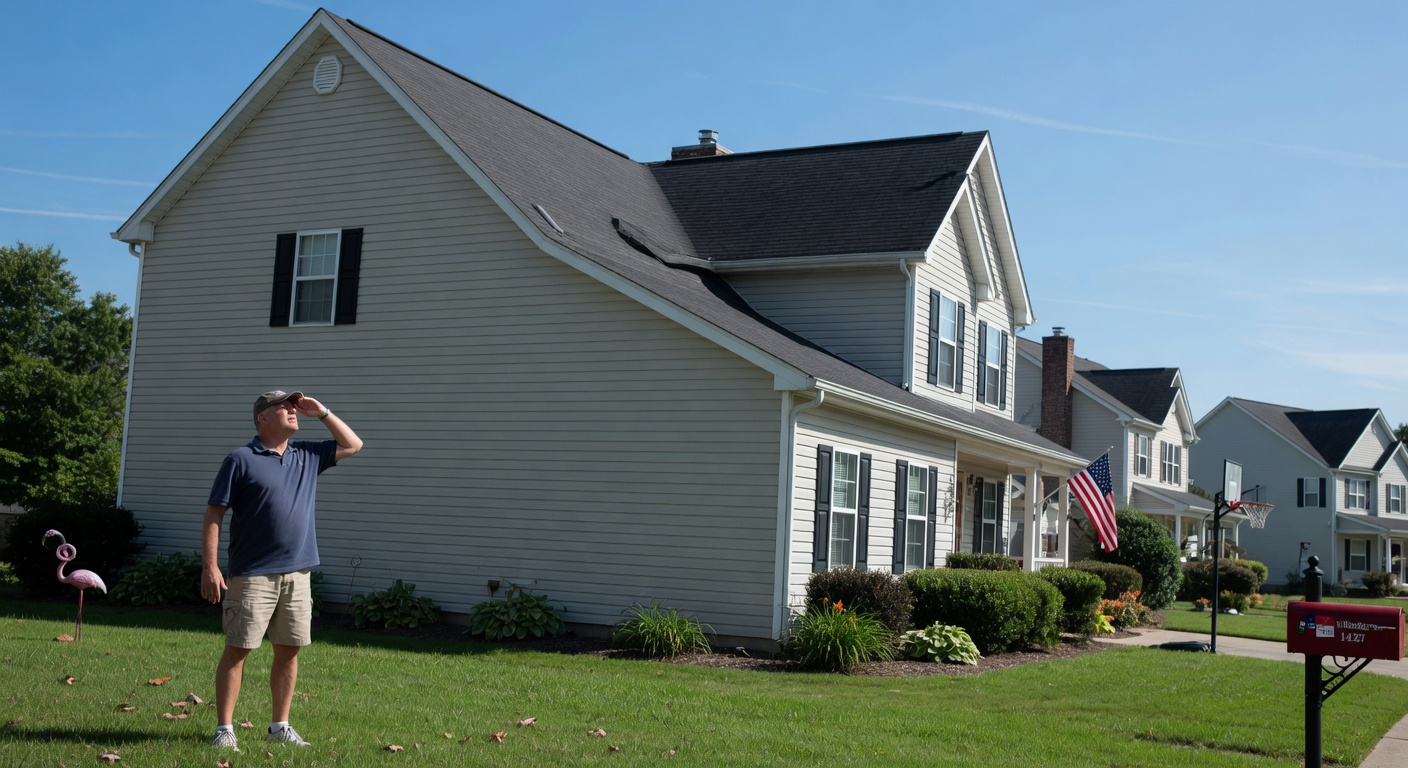
You should never enter your attic or climb onto your roof to inspect ventilation yourself. However, there are signs you can observe safely from the ground or inside your living space:
- Your ceiling feels noticeably hot in summer, especially on the second floor.
- You see peeling paint or wallpaper near ceiling fixtures or attic access points.
- There's a musty odor coming from the attic, or you notice condensation on attic windows (if any).
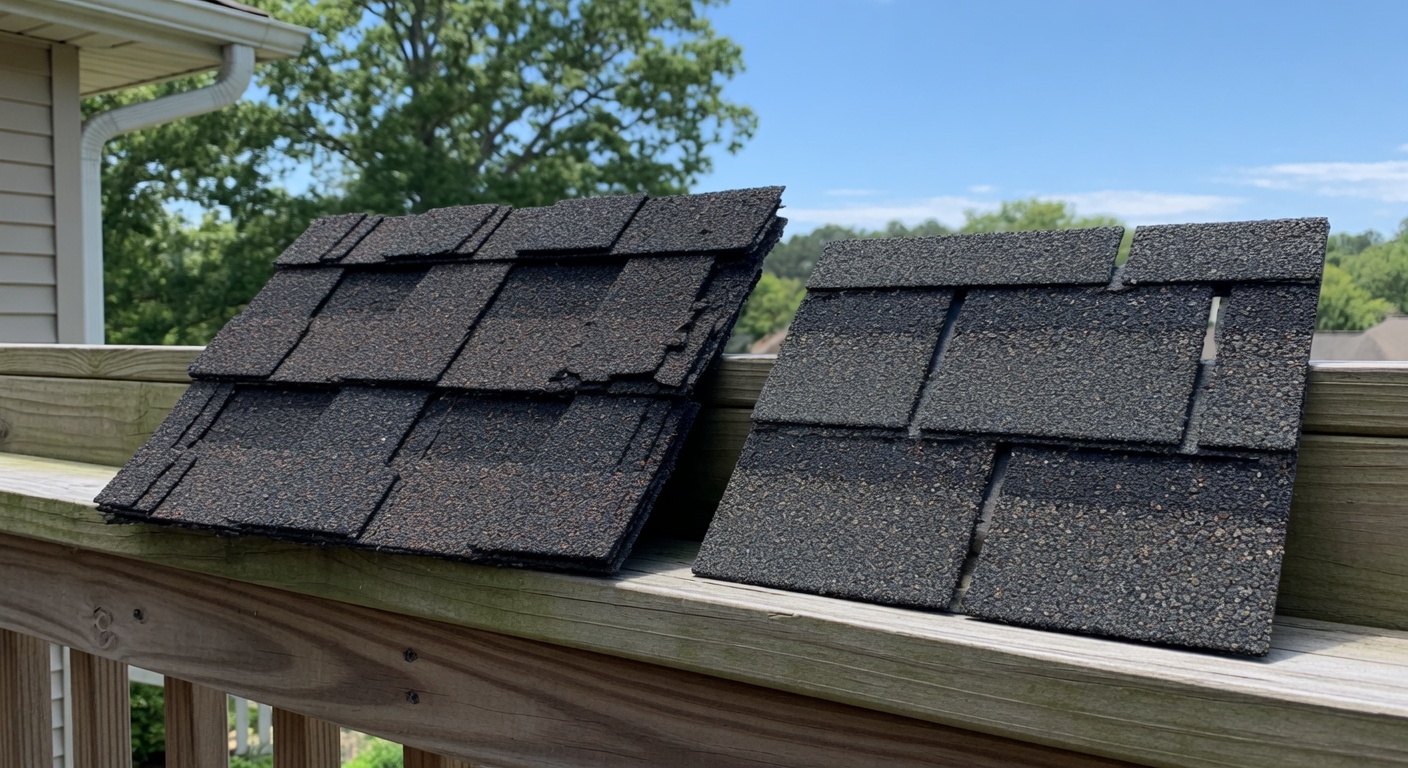
- Your shingles show unusual wear patterns, such as curling edges, cupping, or blistering.
- Ice dams are rare in North Carolina, but if you see them, poor ventilation could be a contributing factor.
- Your energy bills are higher than expected, as your air conditioner works harder to cool a house with a hot attic.
If you notice any of these signs, a professional roof inspection that includes a ventilation assessment is a good next step.
The Connection Between Ventilation and Shingle Warranties
Major shingle manufacturers like GAF, CertainTeed, and Owens Corning commonly require attic ventilation that meets the International Residential Code (IRC) standards as a condition of their warranties. If a manufacturer determines that inadequate ventilation contributed to shingle failure, your warranty claim could be reduced or denied entirely.
The specific requirements can vary by product line, but the general standard in the IRC (Section R806) is:
- 1:150 ratio: 1 square foot of net free ventilation area for every 150 square feet of attic floor space.
- 1:300 ratio exception: May be allowed if intake and exhaust are approximately balanced (40–50% of vents located in the upper portion of the attic).
It's important to note that these are minimum requirements. Your specific roof design and local climate may warrant a more robust system. Also, local building codes in Wake County generally follow the IRC, but always check with Morrisville Inspections for any amendments or specific requirements.
Types of Attic Ventilation Systems
There are several common ventilation types, each with its own strengths and limitations:
- Ridge vents: Continuous vents installed at the roof peak. They provide excellent exhaust and are often paired with soffit vents for balanced airflow.
- Soffit vents: Intake vents placed under the eaves. They bring in cooler outdoor air to replace the hot air exhausted at the ridge.
- Gable vents: Vents located in the gable ends of the attic. They can work with ridge and soffit vents but are often less effective alone.
- Powered vents (electric or solar): Fans that actively pull air out of the attic. They can be effective but require careful sizing and may create negative pressure issues if not balanced with adequate intake.
For most homes, a combination of ridge vents and soffit vents provides the most effective passive ventilation. Often, if you install ridge vents, existing gable vents should be sealed to prevent short-circuiting the airflow—but consult a professional before making changes.
When to Get a Professional Roof Inspection That Includes Ventilation Assessment
If your roof is approaching 15–20 years old, or if you've noticed any of the signs mentioned above, it's time to have a professional look at your entire roofing system—including the attic. A thorough inspection should evaluate:
- The condition of your shingles and roof deck.
- The type and adequacy of existing ventilation.
- Whether intake and exhaust vents are balanced and unobstructed.
- Any signs of moisture, mold, or insulation problems.
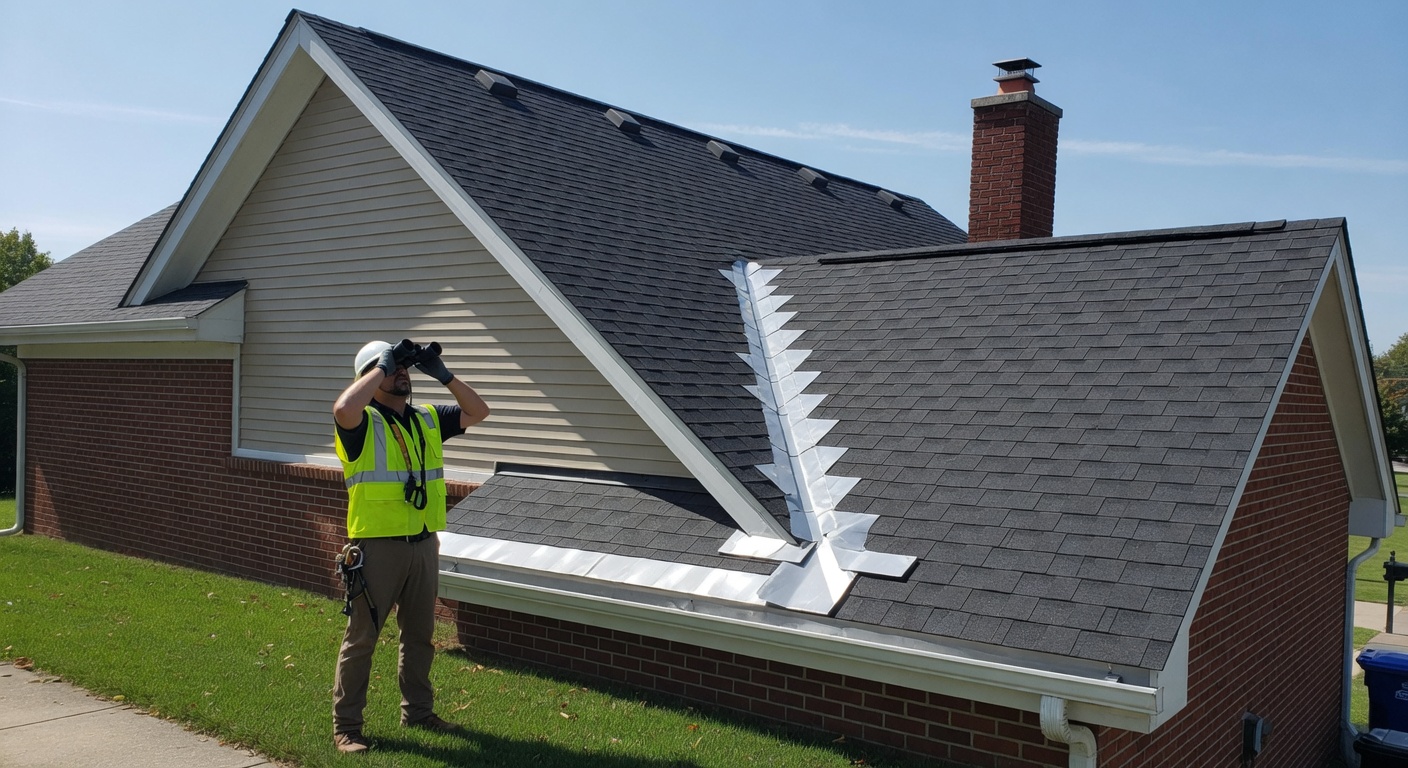
A professional roof inspection should include an evaluation of attic ventilation. After the inspection, your contractor should provide clear documentation and explain your options, whether that means simple repairs, adding vents, or planning for replacement if the roof is nearing the end of its service life. If you're concerned about your attic ventilation or roof health, contact us to schedule an inspection. We're here to help you make an informed decision.
Frequently Asked Questions About Attic Ventilation
How do I know if my attic has enough ventilation?
Common signs of inadequate ventilation include a very hot attic in summer, premature shingle wear, moisture or mold in the attic, and musty odors. Only a professional inspection can confirm whether your system meets current standards.
Can I add more vents to my existing roof?
In many cases, yes, but it depends on your roof design, the type of vents already installed, and local code requirements. A professional can assess your situation and recommend options.
Does a hot attic always mean bad ventilation?
Attics will naturally be warmer than the outside in summer, but excessive heat—especially if it causes other problems like high energy bills or shingle damage—indicates insufficient ventilation.
Will fixing attic ventilation lower my cooling bills?
Proper ventilation can reduce your air conditioning load by minimizing attic heat buildup. While savings vary, many homeowners notice a difference, especially if the attic was previously stagnant.
More Posts by Morrisville Roofing Company