How to choose a roofing contractor in Morrisville, NC
How to choose a roofing contractor in Morrisville, NC
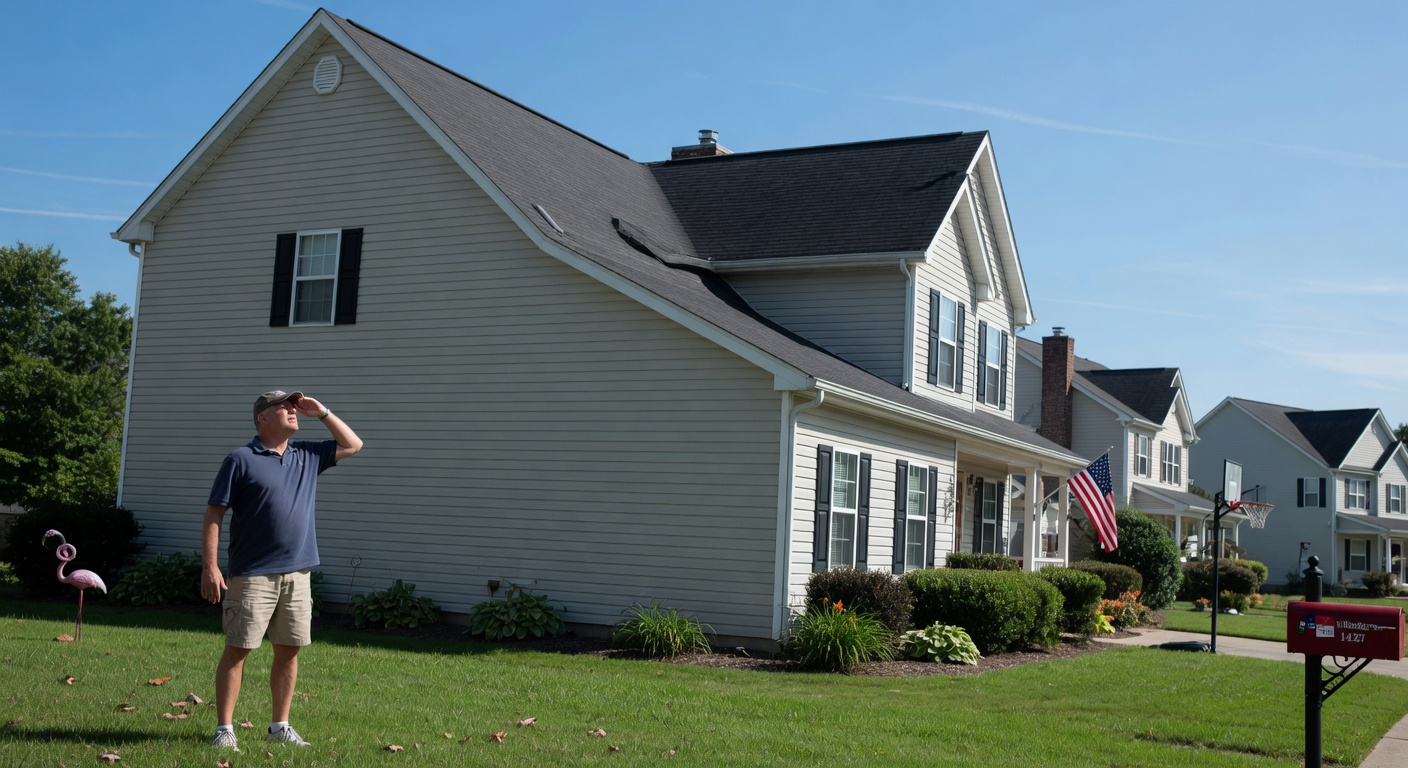
If you own a home in Morrisville, at some point you will probably need to hire a roofer. Maybe a storm left you with missing shingles. Maybe you have a slow ceiling stain after heavy rain. Or maybe your roof is nearing 20 years old and you want to plan ahead. Whatever the reason, choosing the right roofing contractor is one of the most important decisions you will make about your home. A bad hire can mean shoddy work, hidden costs, and a roof that fails early. A good hire gives you peace of mind.
This guide is for homeowners who want to make an informed choice. It covers the questions to ask, the red flags to avoid, and how to tell whether a contractor is qualified, insured, and genuinely interested in explaining your real options, not just landing a sale. We wrote it with Morrisville in mind, but the principles apply anywhere.
Quick guide: what to look for
- Ask for proof of North Carolina general contractor license (if needed) and both liability and workers' comp insurance.
- Get a written inspection report with photos, not just a verbal opinion.
- Expect an itemized written estimate that details materials, scope, and warranty terms.
- Watch for pressure: anyone who says you must sign today or offers to waive your insurance deductible is waving a red flag.
- Understand the difference between a manufacturer material warranty and a contractor workmanship warranty. Both matter.
Why hiring the right contractor matters for Morrisville homes
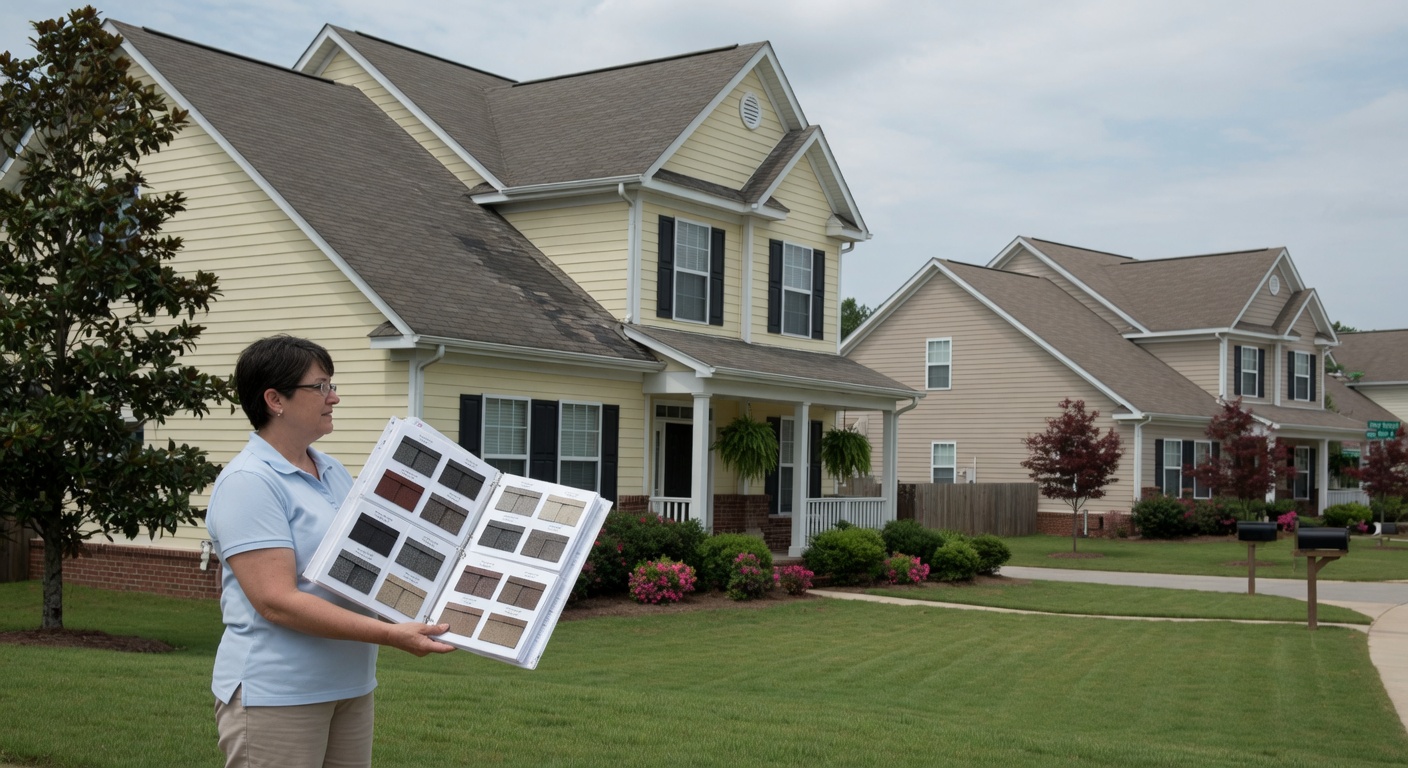
Morrisville has a lot of relatively new housing. Many homes were built in the 2000s or later, which means a large share of roofs are now hitting the age where serious inspections and replacement planning start to become relevant. At the same time, we get our share of thunderstorms, wind, and hail, so storm damage is a real possibility. And because many neighborhoods are planned communities with HOAs, roof color and material choices can affect how smoothly a project goes.
Homeowners here tend to be detail oriented, partly because so many work in engineering, research, and tech. You are likely comparing several contractors and reading reviews carefully. That is a smart approach. A trustworthy roofer should welcome your questions and be able to provide clear answers and documentation, not vague promises.
Questions to ask any roofing contractor before you sign
A good contractor should be able to answer these questions without hesitation. If they seem annoyed or avoid them, consider that a warning sign.
- Do you have a North Carolina general contractor license? In NC, a license is required for projects valued at $40,000 or more. You can verify any license online at the North Carolina Licensing Board for General Contractors (nclbgc.org). Asking to see the license number is not rude; it is due diligence.
- Can you provide proof of insurance? Ask for certificates of general liability and workers' compensation insurance. Request the policy numbers and the insurance agent's phone number so you can call and confirm coverage. Without this, you could be on the hook if a worker gets injured on your property.
- Can I talk to recent customers or see examples of your work? A contractor with local experience should be able to provide references or show photos of completed projects. Pay attention to work similar to yours: a roof replacement on a townhome, a repair after a storm, or a full inspection on a 20-year-old roof.
- Will you provide a written estimate and what will it include? The estimate should spell out the scope of work, materials (brand, type, color), accessories (ridge vent, drip edge, pipe boots), timeline, cleanup plan, and payment schedule. Verbal quotes are not enough.
- How do you handle permitting? The Town of Morrisville has an e-Permits portal for residential and commercial projects. Ask whether your job will require a permit and who will be responsible for filing. A contractor who asks you to pull the permit yourself is often trying to avoid scrutiny.
- What kind of inspection report do you provide? Before any work begins, you want a detailed written report with photos that documents the roof's condition. That report is your evidence if something goes wrong later and helps you understand whether you really need a repair or a full replacement.
These questions do not guarantee a perfect outcome, but they help you sort out the professionals from the rest.
What a thorough roof inspection should cover
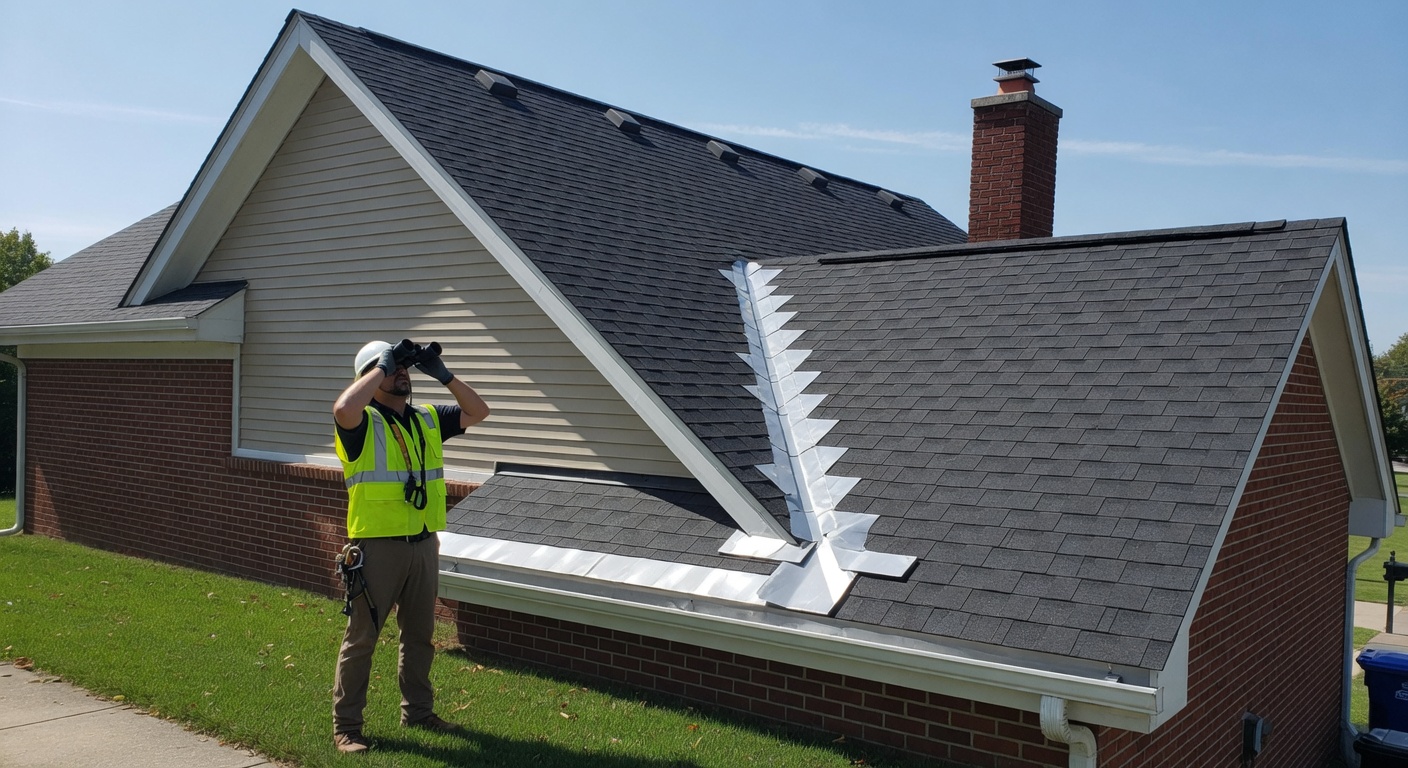
When a contractor comes out to assess your roof, the inspection should be more than a quick glance from the ground. Depending on safety and roof pitch, a proper inspection includes getting up close to check several areas. Here is a basic checklist of what a detailed inspection report usually addresses:
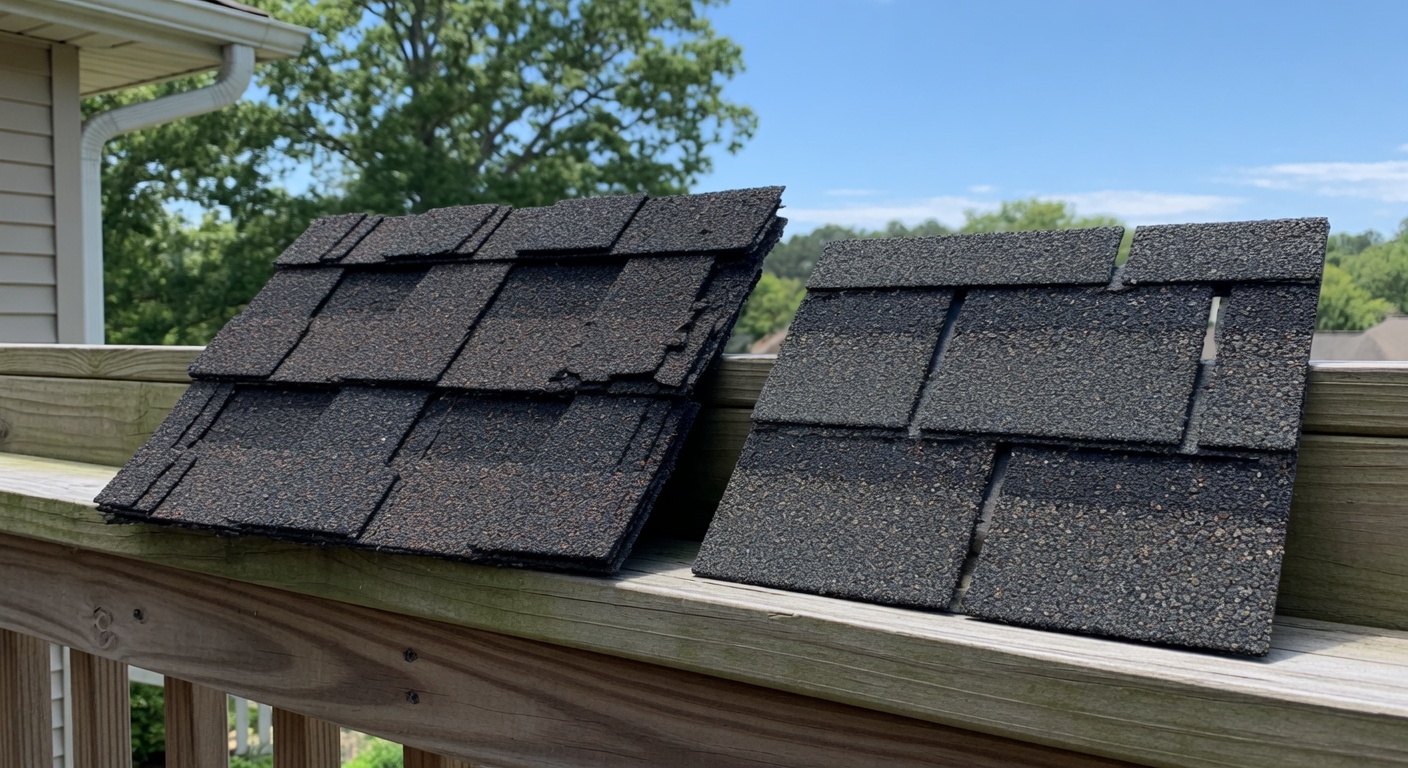
- Shingle condition: granule loss, curling, cracking, missing shingles, exposed nail heads.
- Flashing around chimneys, skylights, vents, and roof-wall intersections. Flashings are a common leak source.
- Pipe boots and penetrations: cracks or deterioration in the rubber seal.
- Roof valleys: debris buildup, missing shingles, or rusted metal.
- Gutters and downspouts: clogging, sagging, or detachment that can back water onto the roof edge.
- Attic inspection: look for daylight through the roof deck, signs of moisture, mold, or poor ventilation. The underside of the roof tells a story the top side may not.
- Evidence of ice damming (rare here, but worth noting in extreme winters) or wind damage.
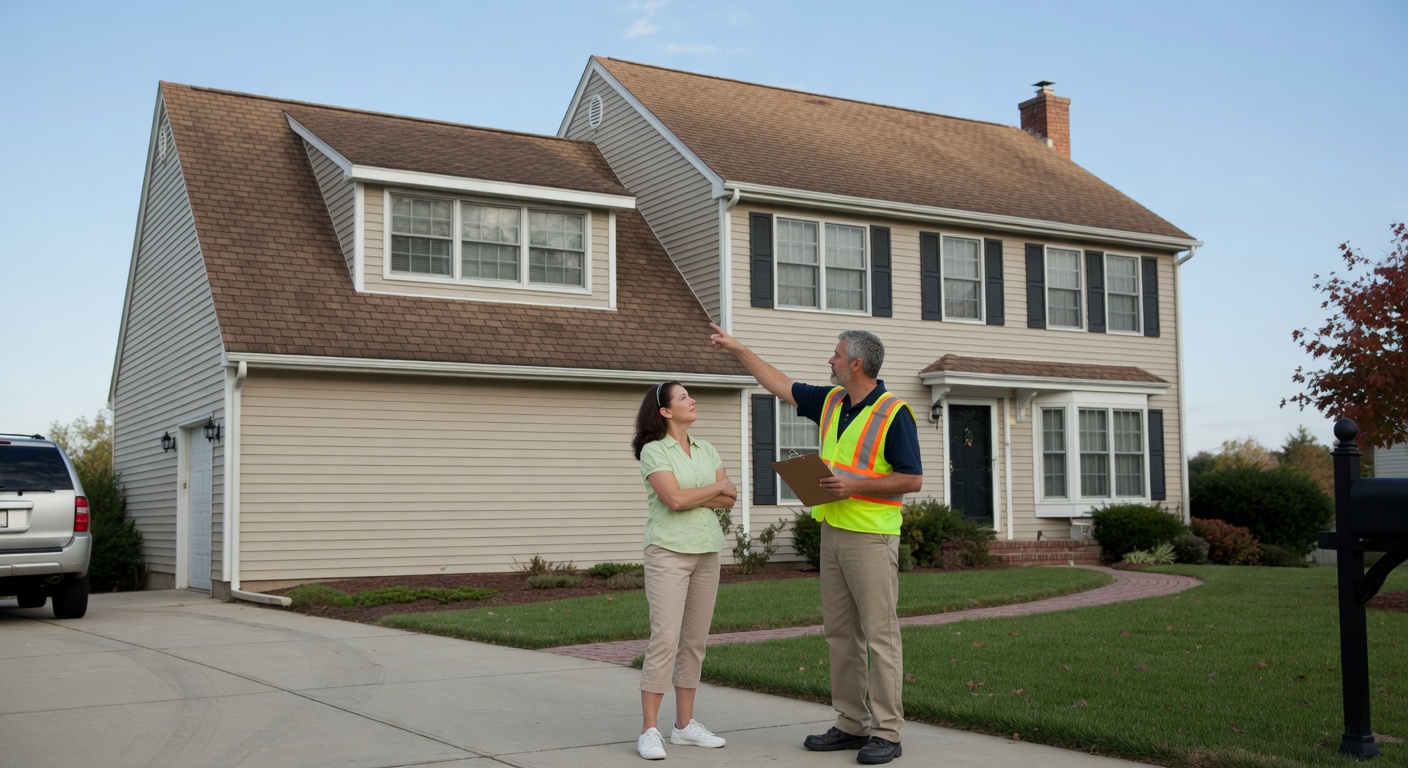
The inspector should take photos of any problem areas and discuss them with you after the inspection, not just hand you a quote. A good inspection helps you decide whether a repair, maintenance, or replacement makes the most sense.
We discuss this more in our roof inspection guide if you want to know what to expect.
Red flags that indicate a high-pressure sales tactic
After a severe storm, out-of-town crews may canvass neighborhoods looking for work. Even outside of storm season, some contractors push homeowners toward decisions they are not ready to make. Here are some patterns that should make you pause:
- They knock on your door unsolicited after a storm and claim they were "in the neighborhood" or that your roof has obvious damage visible from the street.
- They offer to waive your insurance deductible or claim they can get the insurance company to pay for a new roof before any inspection has been done. Insurance policies generally only cover direct physical damage to the damaged area, and deductible waiving is a red flag with insurers.
- They pressure you to sign a contract on the spot, often with a "today only" discount or a story about how materials prices are about to jump. A reputable roofer gives you time to think, get other estimates, and sleep on it.
- They ask for a large upfront payment before any work starts. Reasonable deposits exist, but be wary if the amount seems high or the contractor cannot explain how it protects you.
- They have no physical address, only a PO box, or their "local" office turns out to be a virtual mailbox. While some legitimate roofers work from home or a service-only base, a lack of any verifiable presence is a concern.
- They cannot or will not provide references, written estimates, or proof of insurance.
One of the best shields against high pressure is to collect several written estimates. North Carolina's Department of Justice suggests getting at least three before you choose. That gives you time to compare and ask follow-up questions.
How to verify that a roofer is qualified, insured, and experienced locally
Checking a contractor's background takes a few minutes online. It is worth the effort.
- License check: Visit the NC Licensing Board for General Contractors public search (portal.nclbgc.org) and enter the contractor's name or license number. This confirms their license status, classification, and any past board actions.
- Insurance verification: Call the insurance agent listed on the certificate to confirm the policy is active and covers the type of work being done. This protects you if property gets damaged or a worker is injured.
- Local reputation: Search for the company name plus "Morrisville" or "NC" and read reviews from multiple platforms. Look for patterns: consistent complaints about missed deadlines, communication, or cleanup are telling.
- Manufacturer credentials: Some shingle manufacturers certify contractors who meet training and quality standards. While not required, factory certification can indicate a certain level of commitment to ongoing education and proper installation.
Roofing warranties: what to ask and what to expect
There are two main types of warranties that should be spelled out in your paperwork:
- Manufacturer warranty: Covers defects in the shingles or other roofing materials themselves. For example, if shingles crack or blister prematurely due to a manufacturing flaw, the manufacturer may provide replacement materials. But this warranty usually does not cover installation errors or leaks caused by poor workmanship. Many manufacturer warranties also have fine print about proper attic ventilation and installation per their guidelines; if those are not followed, the warranty can be voided.
- Workmanship warranty: Provided by the contractor and covers mistakes made during installation. If a leak appears because flashing was installed incorrectly or shingles were nailed in the wrong place, the workmanship warranty is supposed to cover the repair. Ask how long the workmanship warranty lasts (one year, five years, longer) and what exactly it includes: parts, labor, both? Get the terms in writing.
Before you hire anyone, ask: Which manufacturer warranties will apply to my roof? What does your workmanship warranty cover and for how long? Will you register the warranty with the manufacturer on my behalf? How do I make a claim under either warranty later?
Next step: schedule a no-pressure inspection
If your roof is showing its age, has visible damage, or you simply want a professional opinion before problems start, the best next step is to get an inspection from a company that puts documentation and clear explanations ahead of a hard sell.
At Morrisville Roofing Company, we believe a good inspection is the foundation of every roofing decision. We walk you through what we find, explain any issues clearly, and discuss whether repair or replacement makes the most sense for your situation and your home's age. There is no obligation and no high-pressure pitch. Just straightforward advice.
If reading this guide has given you a clearer sense of what to look for, consider scheduling a roof inspection to put those criteria into action. We are happy to answer questions and prove that we live by the same standards we recommend.
More Posts by Morrisville Roofing Company