How to Compare Roofing Estimates in the Triangle: A Homeowner's Checklist
How to Compare Roofing Estimates in the Triangle: A Homeowner's Checklist
If you have received multiple roofing estimates for repair or replacement in the Triangle — including Morrisville, Cary, Raleigh, Durham, or Apex — you may wonder which estimate is most reliable. The answer is not simply the lowest price. A complete estimate should provide a clear scope of work, materials specifications, labor breakdown, timeline, and cleanup details. This checklist will help you compare offers fairly and avoid surprises.
Quick answer: What a complete roofing estimate should include
- Detailed scope of work describing what will be done (repair sections, full replacement, flashing work, etc.)
- Specific materials: shingle brand and color, underlayment type, flashing materials, pipe boots, ridge vent, etc.
- Labor breakdown or total labor cost
- Timeline: start date, duration, and daily work hours
- Cleanup and property protection: debris removal, nail sweeps, protection for landscaping and driveway
- Permit and inspection notes: whether permits are required and who is responsible for obtaining them
- Warranty information: contractor workmanship warranty and manufacturer warranties on materials
- Payment terms and any deposit requirements
What a complete roofing estimate should cover
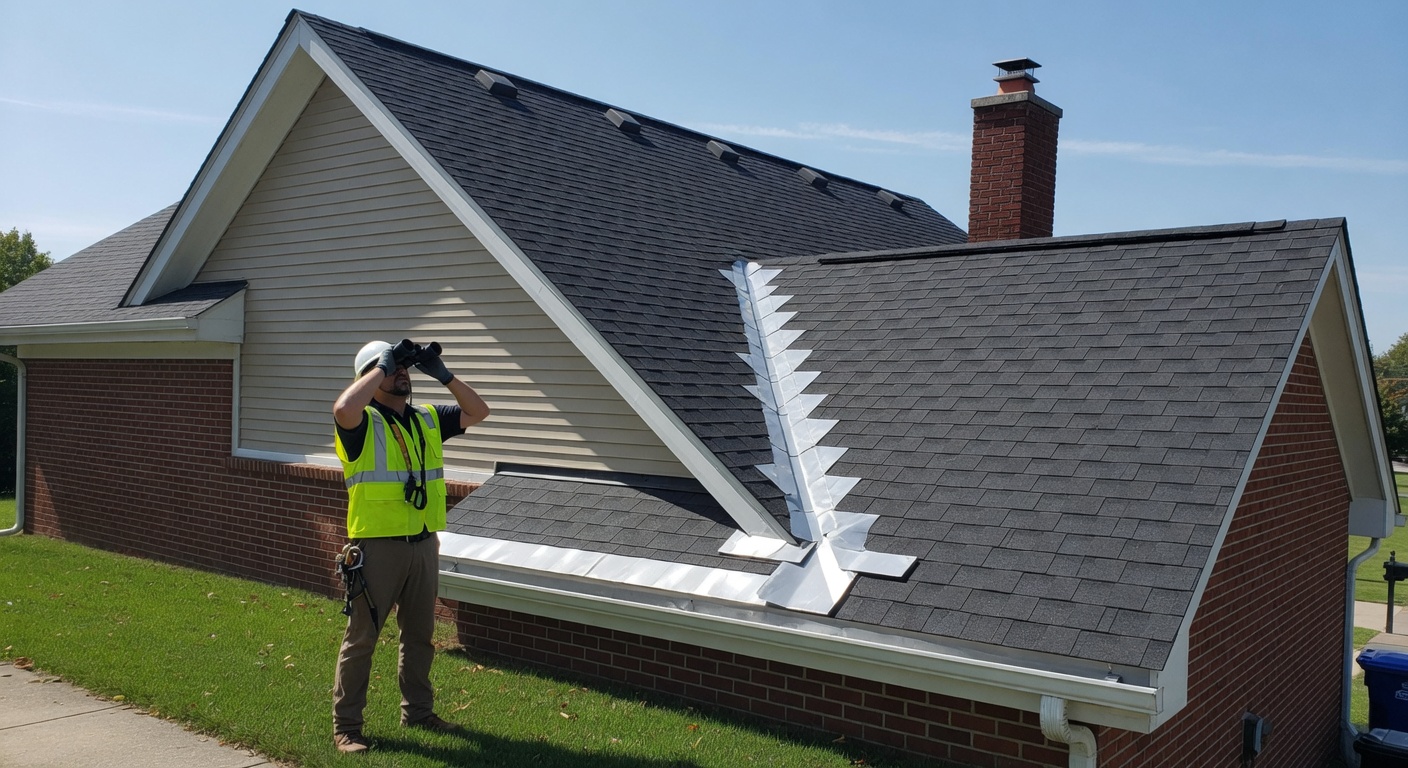
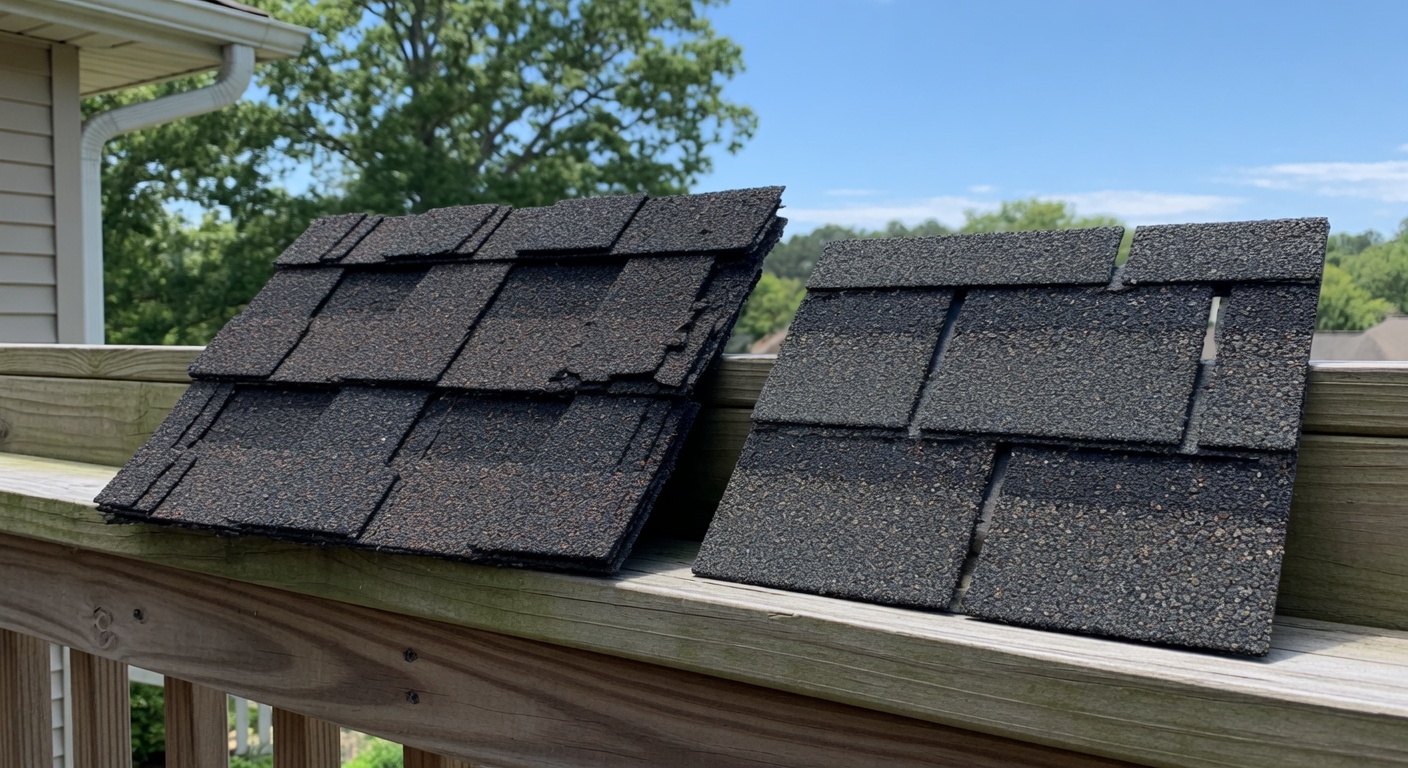
A professional estimate should be a clear, written document that outlines every aspect of the project. In the Triangle, where heavy rain, thunderstorms, and high winds are common, the estimate should address how the roof system will handle water infiltration and wind uplift. Look for details on flashing around chimneys, skylights, roof valleys, and pipe boots — areas prone to leaks during our frequent storms. For homes built in or after the 2000s, the estimate may note the condition of the existing roof, including granule loss, curling, or ventilation issues.
How to evaluate the scope of work
The scope of work is the most important part of the estimate. It should clearly state whether the job is a repair (e.g., replacing a section of shingles around a leak) or a full replacement. If it is a repair, the estimate should specify the cause of the problem and what exactly will be fixed. If it is a replacement, it should list whether the old roof will be torn off, what underlayment will be installed, and how flashing and vents will be handled.
Compare the scope of work across estimates. One contractor may include decking replacement if rot is found, while another may treat it as an extra. Ask each contractor how they handle unforeseen conditions like rotted wood or damaged flashing. A good estimate will acknowledge these possibilities with a line item or note.
For more on repair versus replacement decisions, see our roof repair guidance and roof replacement overview.
Material and labor breakdown details
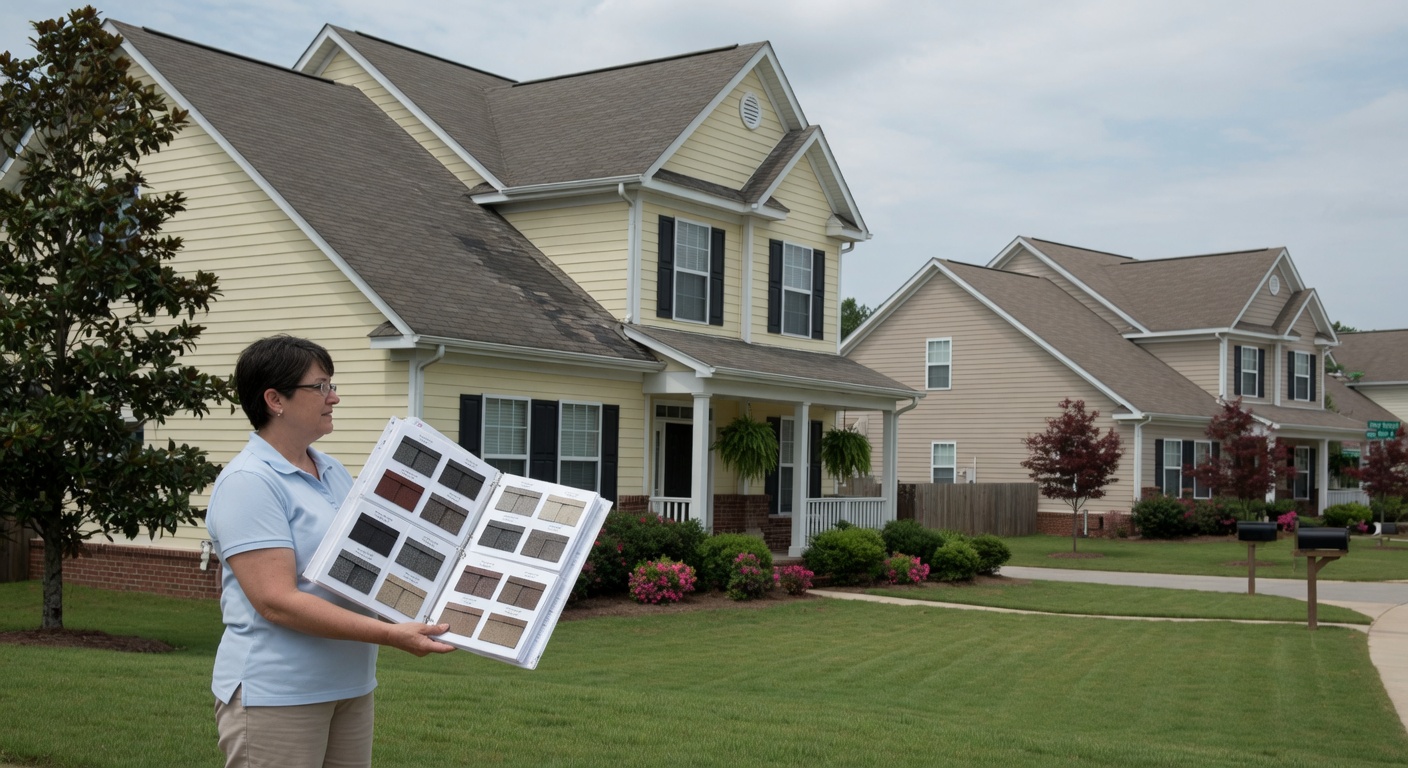
A detailed estimate separates material costs and labor so you can see where your money goes. Materials include shingles, underlayment, flashing, ridge vents, pipe boots, sealants, and any specialized products like impact-resistant or algae-resistant shingles. Labor covers the crew's time for tear-off, installation, and cleanup.
In a comparison, note whether the estimate specifies the brand and product line of the shingles. Different products have different durability and warranty coverage. Also, check if the underlayment matches what is appropriate for your roof type and local climate. The Triangle's hot, humid summers and occasional tropical remnants make proper underlayment critical for water resistance.
Timeline, cleanup, and property protection expectations
The estimate should include the expected start date and duration of the project. For homeowners who work from home — common in the Triangle — knowing the schedule helps plan around noise and parking disruptions. Look for details on daily cleanup, such as magnetic nail sweeps and protection for landscaping, gutters, and air conditioning units.
Ask each contractor about their property protection procedures. A professional estimate will outline how they will protect your driveway, plants, and exterior surfaces. This is especially important in planned communities and townhomes where shared driveways or common areas require extra care.
Warranty information and documentation
Warranties are often part of a complete estimate. While we cannot guarantee specific terms, a reliable estimate will mention the contractor's workmanship warranty (typically covering installation defects for a set period) and the manufacturer's warranty on materials. Ask for written warranty information and note what is and is not covered.
Documentation also matters. Some estimates may include photos or notes of the roof condition to justify the recommended work. This can be helpful when comparing quotes and later if there are questions about the scope.
Common red flags to watch for in estimates
- Vague or lump-sum pricing without line items
- Pressure to sign immediately or "today-only" pricing
- Missing or unclear scope of work that could lead to change orders later
- No mention of permits or building code compliance
- Warranty promises that sound too good to be true
- Requests for large upfront payments before any work begins
- Unusually low or high bids that cannot be explained
If an estimate does not include these basic elements, consider it incomplete. A trustworthy contractor will welcome your questions and provide clear answers.
Next steps after reviewing multiple quotes
Once you have collected two or three detailed estimates, compare them side by side using the checklist above. Note any differences in scope, materials, and exclusions. If one estimate is significantly different, ask why.
If you still feel uncertain about your roof's condition or what the estimates propose, a separate professional inspection can provide an unbiased assessment. Morrisville Roofing Company can help with a roof inspection across the Triangle. Request details to discuss your estimate.
More Posts by Morrisville Roofing Company